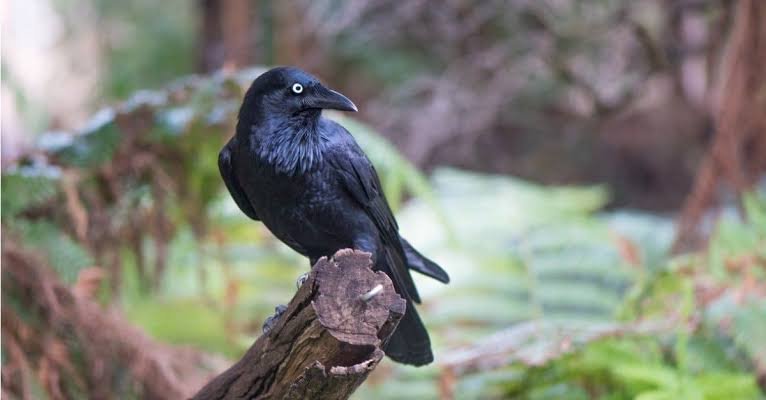
Yes, owning a crow as a pet is illegal throughout the United States, in all 50 states, under federal law. This applies specifically to native crow species like the American Crow, and it’s one of the most clear-cut, universally applied prohibitions in American wildlife law, with essentially no exception available for private individuals who simply want a companion bird.
The Federal Law Behind This Prohibition
The Migratory Bird Treaty Act of 1918, commonly abbreviated as the MBTA, is the federal statute making crow ownership illegal. This law implements international conservation treaties the United States signed with Canada, Mexico, Japan, and Russia, and it protects over 1,100 bird species total. The American Crow is explicitly named on the official federal list of protected species under 50 CFR 10.13, alongside its close relatives, including the Fish Crow and Northwestern Crow.
Why This Applies Regardless of How You Got the Bird
Here’s the detail that genuinely catches most people off guard. The federal prohibition makes no distinction whatsoever between a wild-caught crow and one that was captive-bred, or between a crow you deliberately captured versus one that was orphaned and voluntarily stayed with you. The law defines possession as simply holding or controlling a bird, regardless of how that control came about. A crow that wandered into your yard and chose to stay is still a possessed crow under federal law the moment you house, confine, or restrain it in any way, even if the bird’s presence was entirely its own choice.
The Law Even Covers Feathers and Nests
The scope of this prohibition genuinely extends further than most people expect. Beyond live birds, the MBTA also prohibits possessing crow feathers, nests, and eggs, without any exemption for naturally molted feathers or ones simply found lying on the ground. In practical terms, federal agents are extremely unlikely to pursue someone over a single feather picked up during a walk, but the legal prohibition technically exists and has been enforced in cases involving larger collections.
Why Feeding Wild Crows Remains Completely Legal
This distinction matters enormously and offers genuine reassurance for crow enthusiasts. You can legally feed wild crows that visit your yard, name individual birds you recognize, and even build the kind of ongoing relationship where crows return to you regularly and seem to remember your face. Crows are famously capable of recognizing individual humans and sometimes bring small objects as apparent gifts to people who feed them consistently. All of this remains completely legal, precisely because the crow remains free and isn’t being captured, confined, or restrained in any way. The legal line is crossed specifically at the point of possession, not at the point of interaction or friendship.
The One Legitimate Path for Temporarily Caring for an Injured Crow
If you find a genuinely sick, injured, or orphaned crow, there’s a narrow legal path that doesn’t involve simply keeping the bird yourself. A Federal Migratory Bird Rehabilitation Permit allows licensed individuals to provide temporary care, but the requirements are genuinely substantial: applicants typically need at least 100 hours of hands-on rehabilitation experience, a facility meeting strict federal standards, and care is capped at 180 days maximum, with the possibility of a 30-day extension if the bird genuinely isn’t ready for release. For most people who simply encounter an injured crow, the far more practical route is contacting a local licensed wildlife rehabilitation center directly and bringing the bird to them, rather than attempting to navigate this permit process personally.
What Actual Penalties Look Like
Under 16 U.S.C. § 707, a standard violation of the MBTA is a federal misdemeanor carrying a fine of up to $15,000, imprisonment for up to six months, or both. Notably, this misdemeanor charge doesn’t require prosecutors to prove intent; if the crow is genuinely in your possession without authorization, that fact alone creates liability. Penalties escalate considerably if commercial activity is involved; knowingly capturing a migratory bird with intent to sell it, or actually selling one, becomes a felony carrying up to two years in prison, alongside potential seizure of any equipment or vehicles used in connection with the sale.
The Narrow Legal Loophole Involving Non-Native Species
Here’s where a genuine, though limited, legal pathway exists for people determined to keep a corvid companion. Certain crow and raven species not native to North America, like the white-necked raven or the pied crow, both native to Africa, fall entirely outside the MBTA’s protection since the law specifically covers North American migratory species. Owning one of these non-native birds doesn’t violate federal migratory bird law at all. That said, this path comes with real complications; these birds are expensive, often costing several hundred to several thousand dollars, importing one involves its own tangle of USDA permits and quarantine requirements, and many states and municipalities have entirely separate exotic animal restrictions that could still block ownership regardless of the bird’s federal status.
Why Enforcement Has Genuinely Increased in Recent Years
Social media has created new enforcement pathways that didn’t really exist when this law was originally passed. A viral video showcasing someone’s pet crow can reach wildlife enforcement officers just as easily as it reaches admiring followers, and multiple documented prosecutions have originated specifically from posts that drew unwanted attention from federal wildlife authorities. This makes the practical risk of getting caught genuinely higher today than it might have been decades ago, even for people keeping a crow quietly and with good intentions.
FAQs
Q1. If I raised an orphaned crow from a chick with genuinely good intentions, does that change the legal situation at all?
No, the law makes no distinction based on intent or how the bird came into your possession. Even a well-intentioned rescue that turned into long-term keeping still constitutes illegal possession under federal law.
Q2. Can I get a permit to keep a rescued crow permanently as a pet if I care for it properly?
No, rehabilitation permits specifically require the goal of eventual release back into the wild, capped at 180 days with limited extensions. No federal permit category authorizes permanent private pet ownership of a native crow.
Q3. Are ravens treated the same way as crows under this law?
Yes, the Common Raven is a native North American species protected under the same Migratory Bird Treaty Act, meaning the same restrictions and penalties apply equally to keeping a raven as a pet.
Q4. If a non-native crow species is legal federally, can I definitely keep one in any US state?
Not necessarily. Federal clearance under the MBTA is only the first requirement; many states and local jurisdictions have their own separate exotic animal ownership restrictions that could still prohibit keeping a non-native corvid, so state and local law needs to be checked independently.