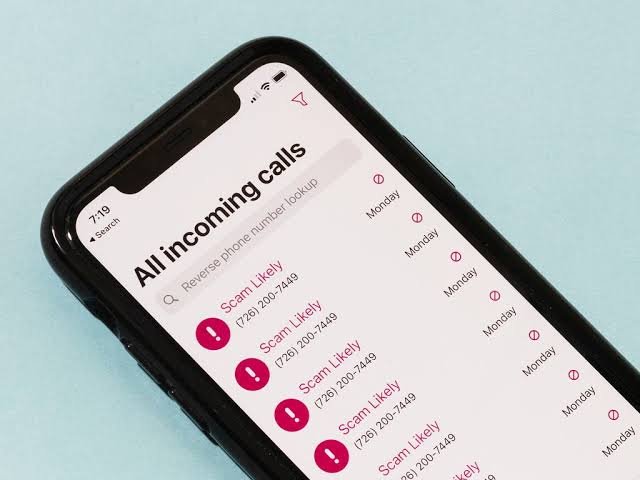
Picture this: your friend group is bored on a Friday night, someone suggests calling a random pizza place with a fake order for a joke, and everyone’s laughing about it within minutes. It feels like harmless fun, the kind of thing people have done since landlines existed. But that same phone can also connect you to serious legal trouble faster than most people realize, and understanding exactly where that line sits could save you from a criminal record over something that started as a joke.
What Actually Turns a Joke Into a Crime
There’s no single federal law with the words “prank call” written into it. Instead, a patchwork of federal and state statutes covers the specific behaviors that prank calls often involve, and whichever one applies depends heavily on what you said, how often you called, and what happened afterward. The main federal law here is 47 U.S.C. § 223, part of the Communications Act, which makes it a crime to use a phone to make obscene or harassing calls across state lines. A conviction under this statute alone can carry up to two years in federal prison.
The two factors that matter most to prosecutors are intent and impact. A single call meant purely as a lighthearted joke, where the recipient laughs it off, almost never leads anywhere legally. The moment the goal shifts toward frightening, threatening, or repeatedly bothering someone, prosecutors suddenly have a much easier path toward criminal charges.
Repetition Is the Real Trigger for Harassment Charges
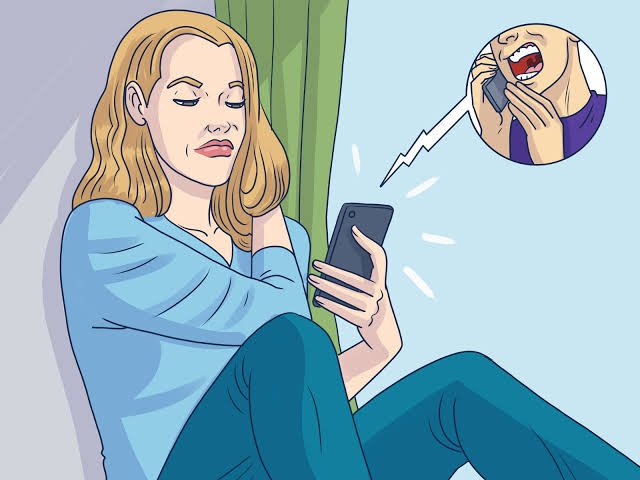
One mildly annoying call rarely meets the legal bar for harassment anywhere in the country. Calling the same person five, ten, or twenty times, especially after being told to stop, is a completely different story. Ohio’s harassment law, for example, allows prosecutors to establish a pattern of conduct through just two or three calls spread across several days, without needing one single dramatic incident.
Time of day matters too. Calls placed late at night or early in the morning are treated by prosecutors as stronger evidence of an intent to harass, since there’s rarely an innocent reason to repeatedly call someone at 3 a.m.
When Content Alone Crosses the Line
Certain things you say during a prank call can make it illegal regardless of how many times you called. Threats of violence, even ones meant as a joke, can be prosecuted seriously because courts evaluate them from the recipient’s perspective, not the caller’s intent. If a reasonable person receiving that threat would feel genuine fear, that’s often enough to support charges.
Obscene language carries its own separate legal weight. The Supreme Court has ruled that obscenity isn’t protected under the First Amendment, which means states can prohibit obscene phone calls purely based on their content, without needing any accompanying threat or repeated pattern.
Recording Your Own Prank Call Adds a Separate Legal Risk
This is the part that catches most people off guard, especially anyone hoping to post their prank call online for laughs. Roughly a dozen states, including California, Florida, Illinois, and Washington, require every single person on a call to consent before it can be legally recorded. These are called two-party or all-party consent states.
Recording a prank call without the other person’s knowledge in one of these states can itself be a separate crime, called illegal wiretapping, even if the underlying prank call was otherwise perfectly legal. Federal law adds another layer here too, with illegal interception of a phone call punishable by up to five years in prison on its own.
Prank Calling a Business Comes With Its Own Set of Problems
Many state laws don’t distinguish between prank calling an individual and prank calling a business, meaning you can absolutely be charged either way. Beyond harassment charges, ordering fake deliveries to someone else’s address creates a separate liability problem entirely. If a delivery driver shows up with ten pizzas that a confused neighbor never ordered and refuses to pay for, the person who placed the fake order can be held financially responsible for that cost.
Calling 911 as a Prank Is in a League of Its Own
Every state treats fake calls to emergency services with far more severity than an ordinary prank call. When a prank call involves reporting a fake emergency, like a bomb threat or an active shooter situation, federal prosecutors can pursue charges under a completely separate hoax statute, with penalties escalating sharply based on outcome. The base offense carries up to five years, jumping to twenty years if someone suffers serious injury during the emergency response, and reaching life imprisonment if someone dies. Courts also frequently require anyone convicted under this law to personally reimburse the cost of the emergency response itself.
What This Means for Everyday Pranksters
The safest way to think about this is simple. A one-time call that’s clearly meant as a joke, without threats or obscene language, and made to someone who isn’t repeatedly targeted, generally stays well within legal territory. The moment you add repetition, fear, threats, or a fake emergency into the mix, you’ve moved into an entirely different legal category, one that can follow you for years afterward.
FAQs
Q1. Can I get arrested for just one prank call if nothing bad happens?
It’s unlikely. A single call without threats, obscenity, or repeated contact rarely meets the legal threshold for harassment in most states, though content and context still matter.
Q2. Is it illegal to record a prank call for a YouTube video?
It depends on your state. In two-party consent states like California and Florida, recording someone without their knowledge is illegal even if the call itself wasn’t. Posting it for profit can also raise separate civil liability issues.
Q3. Does the recipient’s state law or the caller’s state law apply?
Generally, the recipient’s state has jurisdiction, meaning calling someone in a stricter state doesn’t let you rely on your own state’s more lenient rules.
Q4. What’s the difference between a harassment charge and a hate crime charge for a prank call?
Harassment covers repeated or threatening unwanted contact generally, while a hate crime charge applies specifically when the caller targets someone based on a protected trait like race, religion, or sexual orientation.