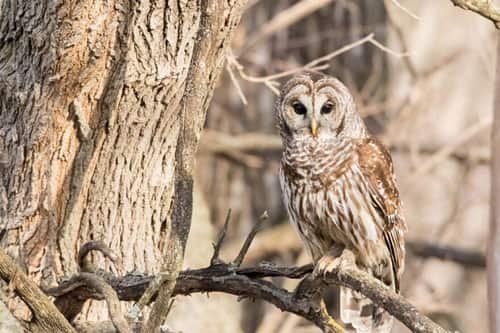
Owls have an undeniable mystique about them. Made famous by Hedwig in Harry Potter, these birds have long fascinated people around the world. In recent years, many Indians have expressed a desire to keep owls as exotic pets. But before you go looking for one, here is something you need to know: in India, keeping an owl as a pet is illegal.
The Wildlife Protection Act, 1972: The Key Law
The Wildlife Protection Act (WPA), 1972, is India’s primary legislation for protecting wild animals and birds. Under this Act, owls are listed as protected species — depending on the species, they fall under Schedule II or Schedule IV of the Act.
Keeping any Schedule-listed species as a pet without a special permit from the forest authorities is a criminal offence. Since virtually all owl species found in India are listed, owning one without authorisation is prohibited.
What Does the Law Prohibit Exactly?
The WPA prohibits the hunting, capture, trapping, poisoning, or keeping in captivity of protected species. This means you cannot buy, sell, capture, or keep an owl at home — regardless of whether it was found injured, purchased from a market, or gifted to you. If forest officials find an owl in illegal captivity, they have the authority to seize it and take legal action against the owner.
Illegal possession of an owl can lead to imprisonment of up to three years and fines ranging from ₹25,000 to ₹1,00,000, with even harsher penalties for repeat offenders.
Why Are Owls Protected?
Owls play a critical ecological role. They are natural predators of rodents, keeping pest populations in check and benefiting agriculture. They are also indicators of a healthy ecosystem. When owls are captured from the wild for the pet trade, it disrupts this balance and reduces biodiversity.
Sadly, India has a significant illegal owl trade. Owls are in demand for use in black magic rituals and superstitious practices, particularly around the festival of Diwali. This demand has led to large-scale poaching, threatening owl populations across the country.
What If You Find an Injured Owl?
If you come across an injured owl, the right thing to do is contact your local forest department or a licensed wildlife rescue organisation. You should not try to keep it at home, even with good intentions, as that could still attract legal action under the WPA.
Legal Alternatives: What Birds Can You Keep?
Not all birds are off-limits. Indian law allows you to keep birds that are bred in captivity and not protected under the WPA. These include budgerigars, cockatiels, lovebirds, certain finches, and foreign-origin parrots. These birds are colourful, sociable, and make wonderful companions — all within the law.
Final Thought
The allure of keeping an exotic bird like an owl is understandable, but the law in India is absolutely clear. Owls belong in the wild, not in a cage. By respecting these protections, you are not just avoiding legal trouble — you are playing your part in preserving India’s incredible biodiversity for future generations.
Frequently Asked Questions (FAQs)
Q1. Can I keep an owl if I find an injured one?
No. You should immediately contact your state’s forest department or a licensed wildlife rescue centre. Keeping an injured owl at home, even temporarily, can be treated as illegal possession under the Wildlife Protection Act, 1972.
Q2. What is the punishment for illegally keeping an owl?
Illegal possession of a protected species like an owl can lead to imprisonment of up to three years and fines between ₹25,000 and ₹1,00,000. Repeat offences attract even stricter penalties under the Wildlife Protection Act.
Q3. Are all owl species protected in India?
Most owl species found in India are protected under Schedule II or Schedule IV of the Wildlife Protection Act, 1972. This makes their capture, possession, and trade illegal without special government permits.
Q4. Are there any legal exotic birds I can keep as pets?
Yes. Birds bred in captivity that are not listed under the Wildlife Protection Act are legal to keep. These include budgerigars, cockatiels, lovebirds, and certain foreign finch breeds. Always buy from a registered, legitimate source.