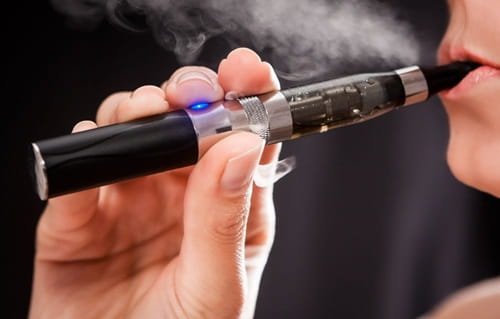
Electronic cigarettes — e-cigarettes, vapes, vape pens, e-hookahs, or ENDS (Electronic Nicotine Delivery Systems) — are battery-powered devices that heat a liquid to produce an aerosol for inhalation. Globally positioned as alternatives to smoking, vaping has become a multi-billion dollar industry. In India, the government took one of the world’s most aggressive stances: a complete, nationwide prohibition. As of 2026, e-cigarettes remain totally banned under a dedicated Act of Parliament.
The Prohibition of Electronic Cigarettes Act, 2019 (PECA)
The Prohibition of Electronic Cigarettes (Production, Manufacture, Import, Export, Transport, Sale, Distribution, Storage and Advertisement) Act, 2019 — PECA — was first promulgated as an ordinance in September 2019 and converted into law by Parliament in December 2019.
PECA’s scope is total. It prohibits: production, manufacture, import, export, transport, sale, distribution, storage, and advertisement of e-cigarettes in any form, through any channel including online. The definition of ‘electronic cigarette’ covers any device that heats a substance (with or without nicotine) to create vapour for inhalation — encompassing traditional vape pens, pod systems, box mods, e-hookahs, heat-not-burn devices, and similar technologies.
Penalties Under PECA
For first-time offenders: up to 1 year imprisonment, or a fine up to Rs 1 lakh, or both. For repeat offenders: up to 3 years imprisonment, or a fine up to Rs 5 lakh, or both. For mere storage of e-cigarettes (commercial stocks): up to 6 months imprisonment, or a fine up to Rs 50,000, or both. Personal possession for individual use is not separately defined as an offence, creating some legal grey area — but customs seizure and complications during enforcement raids remain real risks for individuals.
Why Was Vaping Banned? The Government’s Rationale
Youth protection was the primary concern: e-cigarette sales in India grew from 1.6 million to 3.3 million units between 2014 and 2019, with marketing heavily targeting young people through candy-like flavours and stylish designs. The government feared creating a new epidemic of nicotine addiction among a generation that had not taken up traditional smoking.
Absence of long-term safety data was a second key factor. Health authorities including ICMR and WHO cited studies showing vape aerosols contain nicotine, carbonyl compounds, heavy metals, and carcinogens — harmful substances whose long-term effects lacked the decades of documentation available for traditional cigarettes.
Third, the government argued that permitting an unregulated nicotine delivery product would undermine India’s existing tobacco control framework under COTPA 2003, potentially normalising nicotine use and creating a backdoor addiction pipeline.
Enforcement: Seizures, Raids, and Parliament
Enforcement has been active but uneven. Customs authorities at Delhi, Mumbai, Bengaluru, and Chennai airports regularly seize vaping devices from travellers. Police and excise authorities have raided retail establishments selling covertly. A 2025 Parliament incident — a TMC MP allegedly caught vaping inside the House — reignited public debate. The government’s 2025 MeitY advisory to states noted that online platforms continue to enable illegal sales despite the ban.
A significant grey market persists — products imported through personal parcels, sold via Telegram channels, and purchased from international e-commerce platforms. The ban has been imperfectly effective despite active enforcement.
The Apparent Contradiction: Cigarettes Are Legal, Vapes Are Not
The most frequently raised criticism of India’s vaping ban is the paradox: traditional cigarettes — proven to cause lung cancer, heart disease, and premature death — remain completely legal under COTPA 2003. E-cigarettes — which many global health authorities suggest are significantly less harmful than combustible tobacco — are completely banned.
The government’s response: traditional cigarettes are a deeply entrenched product with a known regulatory framework and a 70-year track record of public health engagement. E-cigarettes are a new technology with inadequately understood long-term effects and insidious youth-targeting marketing. Banning a new product before it becomes entrenched is presented as more practical than trying to roll back an established one.
Final Thought
E-cigarettes are completely banned in India under PECA 2019. The ban covers every link in the supply chain — manufacture, import, transport, sale, and advertisement. Personal possession occupies a grey zone, but customs seizure and police action during enforcement operations are real risks. Traditional cigarettes remain legal — a contradiction that fuels ongoing scientific and policy debate. As of 2026, no legislative movement toward repealing the ban exists. Anyone caught in commercial vaping activities faces up to 3 years imprisonment and Rs 5 lakh in fines for repeat violations.
Frequently Asked Questions (FAQs)
Q1. Can I bring my vape to India while travelling?
No. Importing e-cigarettes — including personal carry-on devices — is prohibited under PECA 2019. Indian customs are empowered to seize vaping devices at the border. Major international airports regularly confiscate devices from travellers. Do not carry a vaping device when travelling to India.
Q2. Are nicotine patches or gum legal in India?
Yes. Nicotine Replacement Therapy (NRT) products — patches, gum, lozenges, inhalers — are classified as therapeutic drugs under the Drugs and Cosmetics Act and are available at licensed pharmacies. They are not electronic devices and are entirely outside PECA’s scope.
Q3. Are heat-not-burn devices like IQOS banned too?
Yes. Heat-not-burn devices — including IQOS by Philip Morris — are electronic devices that heat tobacco sticks to produce aerosol. They fall squarely within PECA’s definition of electronic cigarettes and are subject to the same total ban.
Q4. Why are cigarettes legal if vapes are banned?
The government’s stated position is that traditional cigarettes are an established product under COTPA’s regulatory framework, while e-cigarettes are a new, inadequately researched technology with specific youth-targeting risks. Critics argue this contradicts scientific evidence on comparative harm, but the law has not been amended since 2019.
Q5. Is there any movement to lift the vaping ban?
As of 2026, there is no legislative proposal to repeal PECA. The 2025 parliamentary discussion reaffirmed the government’s position. Some public health researchers have proposed a harm-reduction regulated market for adult smokers, but this remains an academic suggestion without government backing.