A mass shooting at a home on Perry Street in Erie, Pennsylvania, on October 9, 2026, ended with nine people dead: eight victims and the suspected gunman. Police identified the shooting suspect as 45-year-old Matthew Stone Sr., a father and grandfather who lived with several of those killed. Authorities said Stone shot seven relatives and one family friend before taking his own life. The scale of the violence, which included two small children and a pregnant woman, prompted an extensive police inquiry into the family’s circumstances and earlier warnings.
Although investigators identified Stone as the gunman, his death means there will be no criminal prosecution or jury verdict against him. The remaining inquiry is important for determining the sequence of the killings and understanding whether earlier domestic-abuse concerns, family isolation, or missed opportunities for intervention contributed to the tragedy.

What Happened in the Erie Shooting?
The shooting occurred inside and immediately outside a residence on Perry Street on a Friday evening. Erie police responding to reports of gunfire found a scene with multiple fatalities. Officials later determined that Stone had died from an apparent self-inflicted gunshot wound before officers arrived. Investigators reconstructed the sequence using available video, audio, witness accounts, and evidence from the house.
According to Erie Police Chief Rick Lorah, two women came to the residence after gunfire could be heard inside. Police said the women appeared distressed and approached the house before Stone emerged and shot them. He then returned indoors. The two women were among the eight victims. Police have not established a precise motive for the killings, and no single family allegation should be presented as a definitive explanation.
Who Were the Eight Victims?
The Erie County coroner identified six adults: Stone’s wife, Michelle Stone, 44; their daughter Angelina Stone, 24; sons Matthew Stone Jr., 21, and Jonathan Stone, 19; Lora Roberts, 37; and Twila Tanner, 51. Two children, a five-year-old boy and a one-year-old girl, were also killed. Authorities initially withheld the children’s names under Pennsylvania rules governing the release of such information.
Angelina Stone was pregnant and close to her expected delivery date. Her unborn child was also lost in the tragedy, an additional heartbreaking consequence that should not be confused with the official count of eight people shot and killed. Lora Roberts was a mother of five and a community volunteer. Police described Tanner as the only victim who was not a relative of the shooter.
What Did Police Say About the Family’s History?
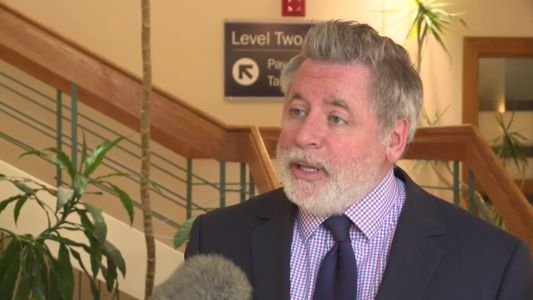
In an October 15 briefing, Chief Lorah said relatives described a long-standing pattern of controlling behavior by Matthew Stone Sr. Investigators were told that he restricted family members’ movements, contact with relatives, and control over money. Those accounts are allegations gathered during a police investigation, not findings reached at a trial. They nevertheless became central to authorities’ efforts to understand the household’s circumstances.
Police also disclosed a 2019 domestic-violence incident involving Stone and his wife. According to officials, charges were later withdrawn after Michelle changed her earlier statement during legal proceedings. The same .40-caliber handgun involved in that incident was reportedly used during the October 2026 killings. The withdrawn case cannot fairly be described as a prior conviction. Police said Stone was legally allowed to possess the weapon when the mass shooting occurred.
Was Mental Illness or Drug Use the Motive?
Investigators said relatives had raised concerns about Stone’s declining mental well-being. Angelina had reportedly expressed concerns in paperwork associated with a proposed name change. Police also found drug paraphernalia and received allegations about possible substance use. None of that proves that Stone had a diagnosed mental illness, that drugs caused the shooting, or that either factor explains why he targeted particular people.
Lorah said officials had not located records showing a formal diagnosis or mental-health treatment. Domestic violence and coercive control are relevant investigative facts, but attributing a massacre to a diagnosis or a single trigger without proof can mislead families and the public.
Legal and Public-Safety Questions After the Suspect’s Death
With Stone dead, there will be no arraignment, plea, or criminal trial in this case. Investigators can still produce evidence relevant to potential civil action, estate claims, and reviews of prior police responses. Whether any agency or private party could face liability would depend on specific duties, notice, and causation, not simply the occurrence of the shooting.
Prosecutors and law enforcement must act on legally sufficient evidence available at the time. The Erie investigation remains important because it can document events and identify possible institutional gaps without turning unproven suspicions into established facts.
As of November 11, 2026, authorities had identified Stone as the suspect and reported eight homicide victims, but had not announced a definitive motive. Accurate coverage should retain those limits while giving the victims and their families the central place they deserve.