The death of Tasia Fortune, a 29-year-old mother of four found hanging from a tree in Jackson, Mississippi, on August 3, 2026, became the subject of a homicide investigation that eventually led to three murder charges. Police identified Jarques Ratliff, Earnest Lloyd Jr., and Eric Derrell Clark as suspects. The discovery of Fortune’s body behind a vacant home on Road of Remembrance generated widespread alarm, particularly because the scene recalled Mississippi’s history of racial terror. Investigators later told a court they believed the hanging had been staged after Fortune was already dead.
The accusations remain allegations. As of early November 2026, reporting verified three charged men but no criminal conviction in Fortune’s killing. Court hearings have supplied details about the state’s theory, disputed evidence, and the status of individual defendants. Accurate coverage must distinguish the homicide ruling from the still-unproven allegations against those charged.
Discovery and Homicide Investigation
Fortune’s body was found on August 3 behind a vacant home in west Jackson. Investigators initially worked to establish how and where she died. On September 10, the medical examiner’s office formally classified the death as a homicide, according to Jackson officials. Police Chief RaShall Brackney subsequently described search warrants, interviews, and the collection of physical evidence as the investigation expanded.
In September court testimony, Detective Samuel Dukes said investigators believed Fortune was killed somewhere else and that her body was then suspended from a tree to mislead investigators. He associated the killing with an alleged dispute over drugs. Those claims form part of the prosecution’s evidence and theory; they are not judicial findings of guilt, and Fortune’s mother has rejected suggestions that her daughter stole drugs.
Who Are the Three Murder Suspects?
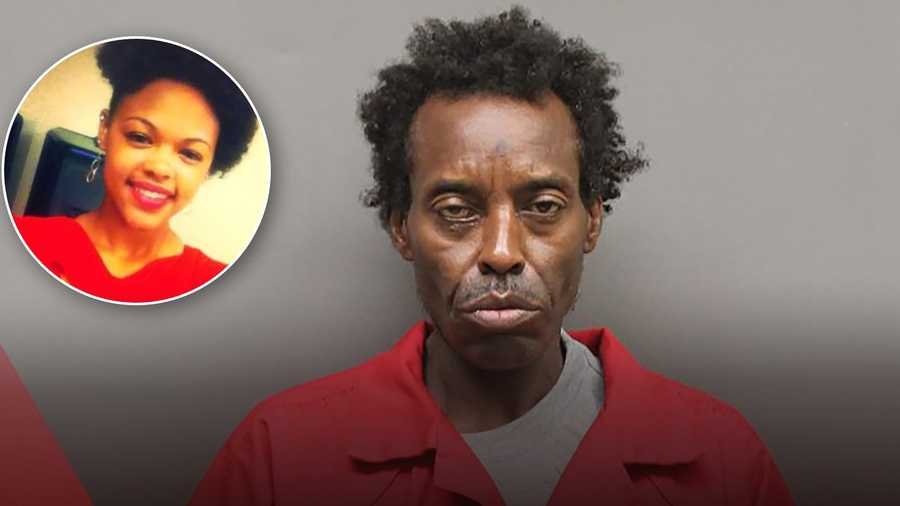
Jarques “Jock” Ratliff, 51, was the first person arrested, on September 11. He was charged with murder and pleaded not guilty. Police then arrested Earnest Lloyd Jr., 25, on September 22 and charged him with murder. Lloyd was denied bond after an initial court appearance. A third man, Eric Derrell Clark, 45, turned himself in on September 25 and was also charged with murder. At his September 28 hearing, a judge set Clark’s bond at $5 million.
Those names matter because early news accounts referred only to two defendants. A current account that stops at Ratliff and Lloyd is incomplete. Jackson police have also said more arrests could follow, but possible future charges must not be counted as existing ones.
What Evidence Has Been Discussed in Court?
During Ratliff’s preliminary hearing, Detective Dukes described statements attributed to a witness identified under a protective pseudonym. The witness allegedly saw Fortune leave with Ratliff and two other men in a car, then saw the men return without her. Dukes also described shoes recovered from Fortune’s body, items bearing her name found during a search, and video evidence under examination. The details became part of a judicial proceeding but were not tested at a criminal trial.
Ratliff’s defense challenged the reliability of the state’s timeline and witness testimony. His attorney, Toney Baldwin, said he believed his client would be exonerated. This response is material: the defense contests the interpretation and strength of the evidence rather than admitting responsibility for Fortune’s death.
What Did the Judge Decide?
On September 30, Jackson Municipal Court Judge Lilli Evans Bass found probable cause for Ratliff’s case to proceed to a Hinds County grand jury. That is a limited threshold ruling, not a declaration that he committed murder. A grand jury decides whether sufficient evidence exists to return an indictment, while guilt requires the separate criminal-trial process and its higher standard of proof.
Ratliff remained held without bond after the ruling. Lloyd had also been denied bond, while Clark faced a $5 million bond. A bond decision addresses release before trial and relevant risk factors; it is not proof of the charged crime. No public trial outcome was established in the reviewed reports as of November 7.
Family Response and Outstanding Questions
Fortune’s mother, Christy Spivey, attended court proceedings and sought answers about the circumstances of her daughter’s death. Family members have emphasized Fortune’s life and her children while facing public speculation about the possible motive. Whatever a criminal investigation suggests about a dispute, a person’s housing status, personal struggles, or social connections does not diminish the seriousness of the homicide or substitute for proof.
Investigators still must establish each defendant’s alleged actions, the place and medical cause of death, the significance of forensic results, and whether additional people participated. The distinction between a staged scene and an established racial motive is especially important: the reported circumstances provoked understandable historical concern, but prosecutors had described an alleged drug-related dispute rather than announcing a proven hate-crime motive.
The verified status is therefore a homicide investigation with three named murder suspects, a probable-cause decision involving Ratliff, disputed evidence, and no established conviction. Further grand-jury or trial developments would be required before stronger conclusions could responsibly be published.