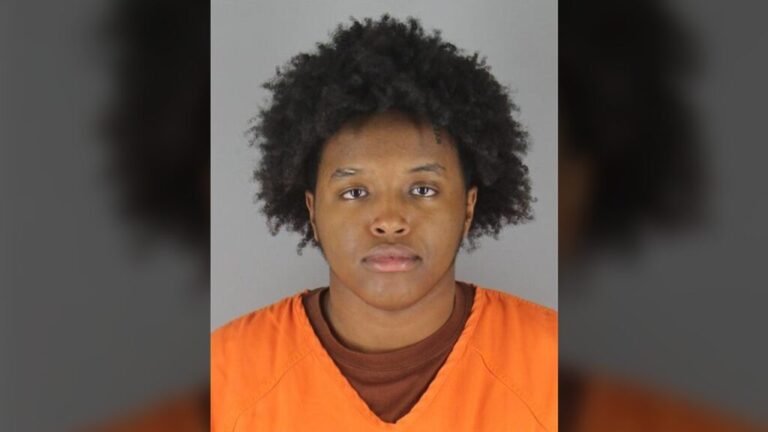
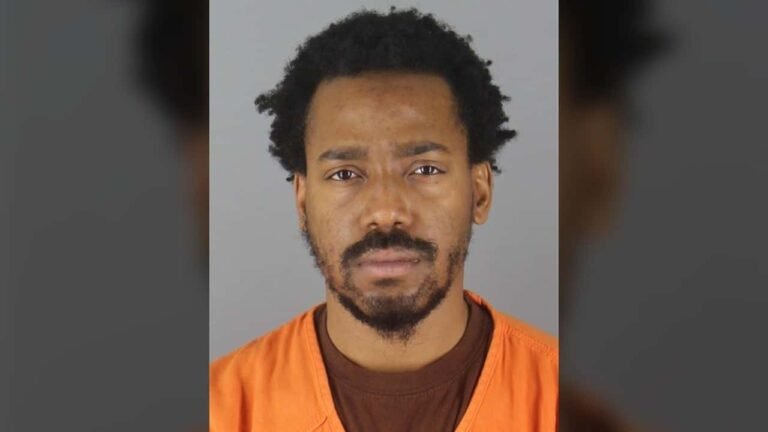
A crowded homecoming weekend near Florida A&M University turned violent on October 24, 2026, when gunfire erupted on Perry Street in Tallahassee, Florida. Eleven people suffered gunshot wounds, while a twelfth was injured while escaping the scene. Police arrested a 15-year-old suspect, Anthony Rivers III, and prosecutors announced their intention to handle the case in adult criminal court. Authorities said six of the people shot were minors.
The suspect is charged, not convicted. The case involves 11 counts of attempted second-degree murder and a firearm-possession accusation, according to police reporting. The available evidence does not establish that Rivers intended to harm each person who was struck; investigators described the shooting as following a dispute and said bystanders appeared to have been injured.
How the Shooting Unfolded
The violence happened on Saturday evening following FAMU’s homecoming football game. Crowds were gathered near Perry and Manatee streets outside Bragg Memorial Stadium, where vendors and pedestrians had filled the area. Tallahassee police said an altercation preceded the gunfire. The shots caused people to scatter, and the crowd temporarily made it difficult for emergency medical crews to reach some victims.
Police reported that 11 people were shot and one additional person, described as the grandmother of a victim, suffered an ankle injury while fleeing. Counting the latter as another gunshot victim would be inaccurate. The youngest person shot was 11 years old. At least three victims initially had serious injuries, and at least one was reported in critical condition in early updates. Those details describe the immediate aftermath rather than the present medical condition of every survivor.
Who Is Suspect Anthony Rivers III?
Police identified Rivers as a 15-year-old Tallahassee teenager and said he was arrested on October 25, the day after the shooting. Officers and prosecutors have not established that he acted alone in every aspect of the event. Investigators continued examining surveillance recordings and asked witnesses to provide video and information. Early reports said additional arrests remained possible, although that does not prove any particular person was involved.
Because Rivers was a minor at the time, the charging decision raises difficult questions about youth, accountability, and the evidence needed for serious violent-crime allegations. His name was released in official reporting and court coverage, but no responsible account should add unsupported personal history or speculate about his family or motive.
What Charges Does the Suspect Face?
Tallahassee police announced 11 counts of attempted second-degree murder and a charge of firearm possession by a delinquent. Prosecutors said they would pursue adult-court treatment. Attempted second-degree murder is a serious Florida felony allegation; the prosecution must prove the required criminal elements for the attempted offense, rather than relying solely on the number of injured people. The precise issues at trial would turn on the charging documents, shooting circumstances, and instructions under Florida law.
The firearm count is separate from the attempted-murder charges and requires its own proof. If a court allows the prosecution to continue in adult court, that choice does not eliminate the presumption of innocence or prove the state can meet its burden. Nor does it necessarily establish the final sentence: those questions depend on the court’s rulings and any eventual verdict.
Court Hearings and Detention Decision
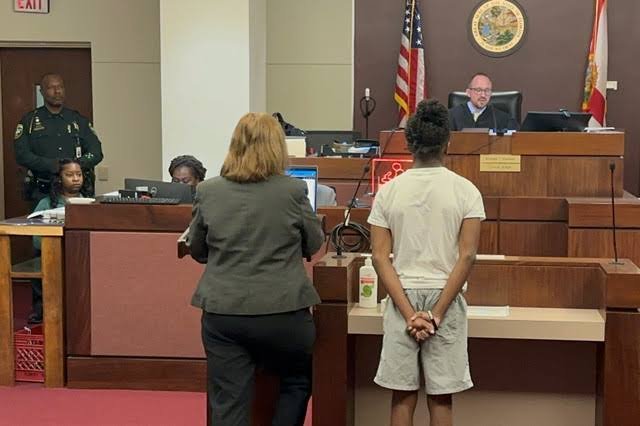
Rivers appeared in court after his arrest. Reporting from October 29 said a judge had denied bond, and a planned pretrial detention hearing was canceled after prosecutor Jack Campbell and defense attorney Mutaqee Akbar agreed that Rivers would remain in custody pending trial. The arrangement reflects his pretrial status, not a finding of guilt.
Early reports included references to the case being moved from juvenile to adult court. That step is legally significant because Florida has specific mechanisms governing serious juvenile prosecutions. The available reporting verifies the prosecutor’s stated decision to pursue adult treatment, but does not establish a conviction, a sentencing decision, or the final outcome of every preliminary motion.
Victims and the Continuing Investigation
Families affected by the shooting have had to deal with medical care, traumatic memories, and the disruption of a major community celebration. Authorities described 11 gunshot victims, including six minors, and one additional injury during the escape. Their experience is central to the case. Questions about the number of rounds fired, the precise location of each victim, and any alleged accomplices should be answered by evidence rather than assumption.
Investigators sought recordings from witnesses and nearby cameras to reconstruct the altercation and gunfire. Eyewitness statements, bullet trajectories, medical records, and forensic comparisons could all affect the prosecution and defense. The state would also need to establish Rivers’s alleged participation and criminal intent beyond a reasonable doubt at trial.
As of November 7, 2026, the reviewed reports showed the juvenile suspect charged and held for trial, but no determination of guilt. The strongest account of the FAMU homecoming shooting explains the injuries, the prosecutor’s charging decision, and the continuing investigative work without predicting a verdict.