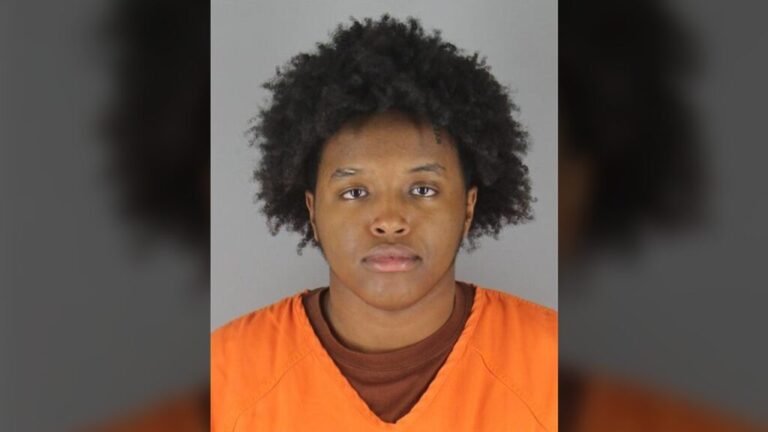
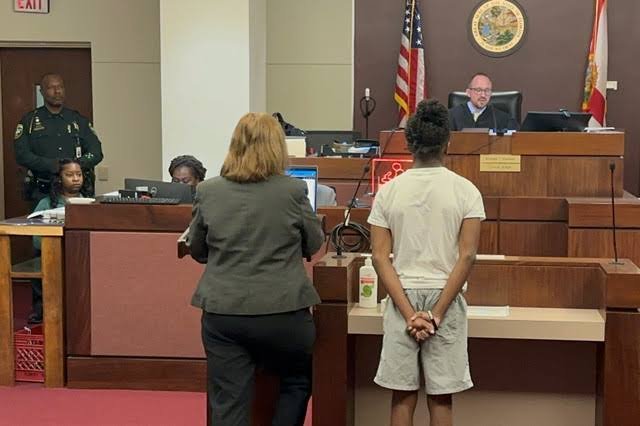
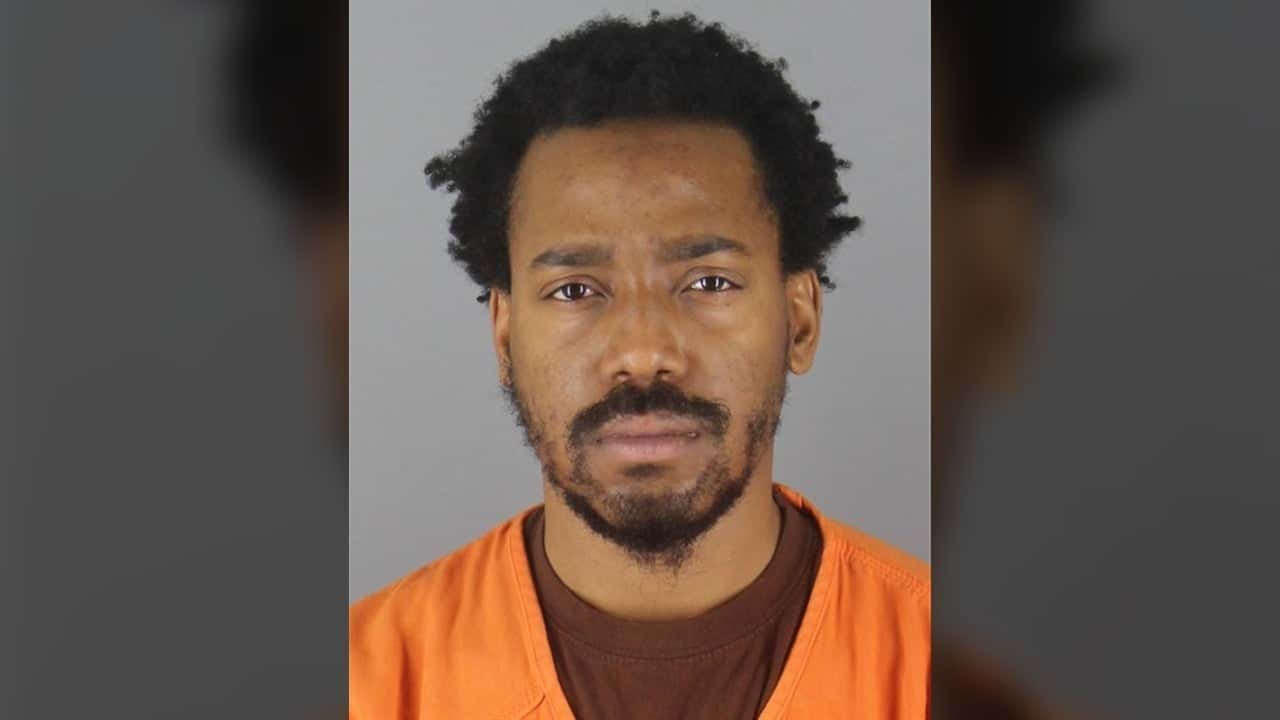
Investigators used surveillance video, transit-card records, discarded cigar tips, and DNA from saliva to identify a suspect in a fatal shooting aboard a Minneapolis Green Line light-rail train. On November 2, 2026, local reporting identified Jaquan Darrian Edwards, 30, as the man charged with intentional second-degree murder in the October 3 death of Joseph Denny Nezperce, 36.
Edwards was arrested and charged; the sources reviewed did not show a conviction or a trial verdict as of November 7.
The October 3 Green Line Shooting
Police responded to a report of shots fired shortly after 9 p.m. on October 3 and found Nezperce in the rear of a Green Line train. Investigators said he had been shot three times and died from a wound to his neck. The train was traveling east through Minneapolis at the time of the incident. Nezperce was a South St. Paul resident, and his death prompted a homicide investigation involving Minneapolis police and Metro Transit officers.
According to the charging documents described by the Minnesota Star Tribune, video showed the suspect entering a train at U.S. Bank Stadium station and taking a seat in the rear car. Nezperce boarded farther along the route and sat across from him. The recorded interaction reportedly included a brief exchange before a gun was fired. Authorities said the alleged shooter then left the train at Prospect Park station.
Who Is Suspect Jaquan Darrian Edwards?
The criminal complaint identified Edwards as a 30-year-old man and alleged that he was the person shown in the transit footage. Police arrested him over the weekend immediately before the November 2 charging report. He was accused of intentional second-degree murder, a serious Minnesota felony. The public reporting did not establish a prior relationship between Edwards and Nezperce or a proven motive for the encounter.
Investigators and prosecutors have not announced a trial verdict. Describing Edwards as the charged suspect is therefore accurate; declaring that he murdered Nezperce as an established finding would go beyond the procedural record.
How Investigators Used Saliva and DNA
One unusual feature of the case is the forensic comparison between saliva recovered at the U.S. Bank Stadium station and items later found near a residence connected with the suspect. According to the complaint, surveillance showed the alleged shooter spitting repeatedly on the station platform before boarding. Investigators collected material from that location and obtained a DNA profile for comparison.
Police later learned of a July traffic stop involving a car associated with Edwards’s mother. Witness interviews and other records led detectives to that home. During an October 20 search of trash placed outside the residence, investigators recovered wooden cigar mouthpieces. The complaint said DNA from those items matched the profile obtained from the station saliva. This was presented as an identification link, not a finding that DNA alone proved the shooting.
Transit Records, Cameras and Other Evidence
Investigators reviewed fare-card activity from September and early October, tracked recorded bus journeys, and looked for clearer images of the individual they believed had used the card. Video allegedly connected the suspect to a grocery store and an auto-parts business. According to the complaint, employment information then helped police identify Edwards.
A second sequence of surveillance images reportedly showed the man leaving the light-rail station after the shooting, changing or adjusting a face covering and looking back. The combined evidence matters because it seeks to connect a person to the platform, the train, and the route away from the scene. Defense counsel can examine the quality and continuity of those links and question whether alternative interpretations are plausible.
Charges, Bail and Possible Sentence
Edwards was charged with intentional second-degree murder. Initial reporting said he was held in Hennepin County custody in lieu of $1 million bail and was scheduled for an early November court appearance. That bail figure indicates a court’s pretrial release conditions, not the sentence a defendant will receive. Reports described a possible punishment of up to 40 years if convicted, subject to Minnesota law and the applicable sentencing rules.
The state must prove criminal intent and responsibility under the offense charged. Forensic evidence might identify who was present, but it is not a substitute for establishing the conduct and state of mind required by law. Any statements about an eventual plea, conviction, or sentence would require separate, later confirmation.
What Remains Unresolved?
The complaint offers a detailed explanation of how the suspect was identified after nearly a month of investigation. It does not supply a proven motive, resolve every aspect of the interaction aboard the train, or end the criminal proceedings. Surveillance recordings, laboratory records, the handling of collected samples, and witness testimony may all become important at pretrial hearings or trial.
As of November 7, 2026, the reliable public description is a charged murder suspect, a fatal October 3 shooting, forensic and video evidence outlined by investigators, and a case awaiting its judicial outcome. Nezperce’s death remains the central harm, while the facts alleged against Edwards must be evaluated through the criminal process.