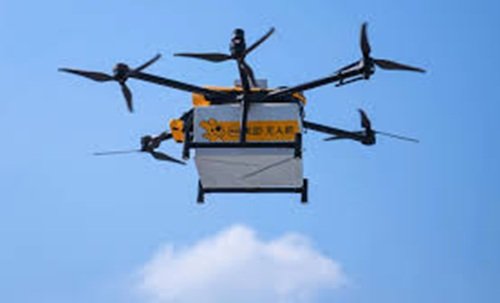
Drones have evolved from recreational gadgets to powerful tools for agriculture, logistics, and medical supply delivery. India has one of the most actively evolving drone regulatory frameworks in Asia. As of 2026, drone delivery is legally permitted but operates within a framework requiring specific DGCA approvals, type-certified hardware, licensed pilots, and special exemptions for Beyond Visual Line of Sight (BVLOS) operations.
The Legal Framework: Drone Rules, 2021
Drone operations in India are governed by the Drone Rules, 2021, under the Ministry of Civil Aviation, with the DGCA as the primary regulatory authority. The DigitalSky Platform (digitalsky.dgca.gov.in) is the centralised portal for drone registrations, pilot licensing, airspace map access, and flight permissions.
The DGCA classifies drones into five weight-based categories: Nano (below 250g), Micro (250g-2kg), Small (2-25kg), Medium (25-150kg), and Large (above 150kg). All drones above Nano must be registered and receive a Unique Identification Number (UIN) physically marked on the aircraft. Flying without a UIN is a punishable offence.
The NPNT (No Permission, No Takeoff) system requires drones to obtain digital flight permission before each flight in controlled airspace. Green zones allow flights without prior permission; Yellow zones require advance approval; Red zones — airports, military areas, national parks, border areas — are prohibited without high-level authorisation.
Is Drone Delivery Specifically Legal?
Drone delivery is legal in India but with significant operational constraints. The primary challenge is BVLOS (Beyond Visual Line of Sight) operations — most meaningful delivery routes require flying beyond the operator’s visual range, which currently requires a special DGCA exemption rather than routine permission.
Several companies have obtained DGCA approvals for conditional drone delivery trials. Swiggy, Zomato, Dunzo, and Zipline have conducted drone delivery pilot programmes. In rural healthcare, companies like TechEagle have operated medical supply drones under DGCA approvals. Dropping or delivering objects from drones additionally requires specific DGCA approval separate from the flight permission.
Agricultural drone applications are the most commercially active segment — thousands of DGCA-registered agricultural drones spray pesticides and fertilisers across India. Medical supply delivery of vaccines and blood to remote tribal areas has been demonstrated in Telangana, Meghalaya, and Arunachal Pradesh with government support.
Civil Drone (Promotion and Regulation) Bill, 2025
In September 2025, the Ministry of Civil Aviation released the draft Civil Drone Bill, 2025 for public consultation. Once enacted, it will replace the existing Drone Rules. Key changes include: mandatory type certification for all drone models; explicit BVLOS framework that will formalise commercial delivery operations; fines up to Rs 1 lakh; mandatory third-party insurance for all drones above Nano; and a structured Unmanned Traffic Management (UTM) system for drone traffic in low-altitude airspace.
As of March 2026, the bill is in the public consultation and parliamentary drafting stage. The existing Drone Rules, 2021 continue to apply.
Compliance Requirements for Commercial Drone Delivery
For any commercial drone delivery operation: DGCA-approved type certification for the drone model; drone registration on DigitalSky with UIN marking; Remote Pilot License (RPL) for pilots operating drones above 2kg; third-party liability insurance; NPNT-compliant drone hardware; flight permission for each route; DGCA BVLOS exemption; and DGCA approval for dropping/delivering objects during flight.
Commercial operators must register as a Drone Service Provider (DSP) on DigitalSky. By September 2024, India had over 10,000 registered commercial drones. In 2024-25, DGCA issued over 3,000 Remote Pilot Certificates, showing rapid growth in the sector.
Final Thought
Drone delivery is legally permitted in India but currently requires DGCA special exemptions for BVLOS operations. Agricultural and medical drones are commercially active. Urban last-mile delivery is emerging through approved trial programmes. The Civil Drone Bill 2025 will create a clearer framework when enacted. Operators must obtain proper DGCA approvals, use type-certified hardware, maintain all required licenses, and secure third-party insurance before beginning any delivery operations.
Frequently Asked Questions (FAQs)
Q1. Can any company start drone delivery operations in India today?
A company can operate drone delivery with specific DGCA approvals. Type-certified drones, registered Remote Pilot License holders, DigitalSky registration, third-party insurance, and BVLOS exemptions are all required. DGCA has granted conditional approvals for trial programmes to companies like Swiggy, Zomato, and healthcare drone operators. Full commercial-scale BVLOS operations await the Civil Drone Bill 2025 framework.
Q2. What are the penalties for illegal drone flying in India?
Current penalties under Drone Rules 2021 range from Rs 25,000 to Rs 5,00,000 depending on the violation severity. Penalties include fines, drone confiscation, and licence suspension. The proposed Civil Drone Bill 2025 would increase fines up to Rs 1 lakh and criminalise serious violations, giving police authority to detain drones without a magistrate order.
Q3. Is a licence required to fly a drone in India?
For drones above 250g (Micro and above) used for commercial or recreational purposes, a Remote Pilot Certificate is required. Pilots must be at least 18 years old, complete a DGCA-approved training course, and register on the DigitalSky platform. Nano drones (below 250g) used for non-commercial purposes are exempt from pilot certification but must still follow basic safety rules.
Q4. Are there any no-fly zones for drones in India?
Yes. Red zones are completely prohibited without high-level authorisation: airports (5km radius for civilian airports, larger for military), military installations, national parks, international borders, Parliament, Rashtrapati Bhawan, and designated security areas. Yellow zones require advance approval before flight. Popular tourist sites like the Taj Mahal and Red Fort are classified as no-fly zones. The DigitalSky platform shows the interactive airspace map for real-time zone information.
Q5. Can tourists fly drones in India?
Foreign tourists face additional restrictions. Foreign-made drones in Completely Built Up (CBU) form cannot be imported without special permission. Tourists who bring personal drones must declare them at customs. Nano drones have more relaxed rules but must follow zone restrictions. Flying near sensitive areas, military installations, or government buildings without authorisation carries serious penalties. Always check the DigitalSky airspace map before flying.