Transporting alcohol in your personal vehicle after buying it from a licensed shop is a routine activity for millions of Indians. Yet the legal position is far from uniform. India’s alcohol laws are primarily a State subject, meaning each state sets its own rules on possession limits, permitted carrying, and inter-state transport. Getting this wrong — even innocently — can result in confiscation, heavy fines, and in dry states, criminal prosecution and imprisonment. This article gives you the complete picture.
The Core Rule: Sealed Bottles, Limited Quantity, In the Boot
Across most non-prohibition states in India, carrying alcohol in a private vehicle is legal subject to three core conditions: (1) The bottles must be sealed and unopened — an open bottle in the passenger compartment of a moving vehicle is treated as public drinking and is actionable; (2) The quantity must be within the state’s prescribed personal possession limit — typically 2 to 3 litres of IMFL (Indian Made Foreign Liquor) or wine/beer equivalent per adult per day without a special permit, though this varies significantly by state; and (3) The alcohol should be stored inaccessibly — ideally in the boot/trunk of the car rather than the passenger cabin, to reduce suspicion of active consumption.
The bottom line from case law: multiple courts have upheld that small quantities of liquor for personal use in sealed bottles, within state limits, do not constitute a criminal offence. Larger quantities or hidden compartments attract excise enforcement.
State-Specific Limits: Significant Variation
Since alcohol regulation is a State List subject under the Constitution, each state has its own Excise Act. Some illustrative examples: Maharashtra Prohibition Act: permits adults to carry up to 1.5 litres of foreign liquor or 3 litres of beer. Delhi Excise Rules: generally 2 litres of IMFL or equivalent per adult. Andhra Pradesh: courts have confirmed that 3 adults in a car can together carry up to 9 bottles of hard liquor — i.e., 3 bottles per person. Karnataka and Tamil Nadu: have similar personal possession exemptions for quantities purchased at licensed retail shops with valid bills. Goa: given its liberal excise policy, possession limits are higher; tourists often purchase significant quantities. Always retain your original purchase receipt — it is crucial evidence that the alcohol was lawfully purchased at a licensed shop.
Absolute Prohibition States: Gujarat, Bihar, Nagaland
India has several prohibition states where carrying alcohol is a serious criminal offence, not merely a civil violation. Gujarat (Gujarat Prohibition Act, 1949): complete prohibition. Carrying alcohol into Gujarat without a valid liquor permit is a criminal offence punishable by imprisonment from 6 months to 10 years and fines from Rs 10,000 to Rs 5 lakh depending on quantity. Even transit through Gujarat with alcohol in your vehicle creates legal risk. Non-residents can apply for a temporary Liquor Permit (available at airports and specific health officers), but this permits limited consumption at approved locations — it does NOT permit free transport of alcohol. Bihar (Bihar Prohibition and Excise Act, 2016): Blanket prohibition with very strict enforcement. NCRB reports show consistent high case registration under Bihar’s excise law. Penalties include imprisonment up to 10 years. Nagaland, Mizoram, Lakshadweep, and parts of Manipur: also have varying degrees of prohibition. Always check current status — some areas have modified their prohibition regimes.
Open Container Law: Never in the Passenger Cabin
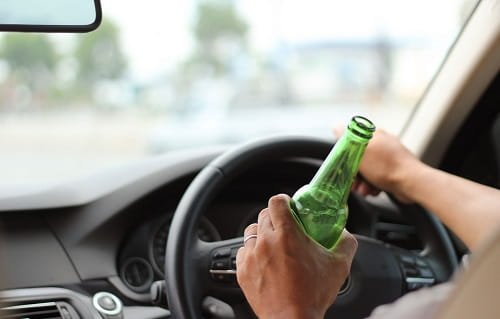
Even in non-prohibition states, having an open bottle or partially consumed alcohol bottle accessible to the driver or passengers is treated as public drinking in a moving vehicle. Courts have consistently held that a car on a public road is a public place for the purposes of excise and public order law. Fines for open container violations range from Rs 200 to Rs 5,000 under various state excise and municipal laws. Police officers with reasonable suspicion can stop and search vehicles for open alcohol containers — this is a routine checkpoint activity across India, particularly late at night and near entertainment venues.
Cross-State Transport: The Most Dangerous Grey Area
Carrying alcohol purchased in one state into another state is heavily regulated and is one of the most common sources of excise prosecution. Goa to Maharashtra: Maharashtra Police and Excise enforcement regularly intercept vehicles at the state border. Quantities beyond Maharashtra’s permitted personal limit are seized and the carrier is prosecuted under the Maharashtra Prohibition Act. Chandigarh/Delhi to Haryana: excess bottles are regularly seized at state checkpoints. Inter-state transport of alcohol for commercial purposes always requires an Excise Transit Pass and appropriate licensing — no exceptions. If you are planning a road trip across states and want to carry alcohol, check each state’s excise rules and quantity limits before departure. When in doubt: buy alcohol at your destination if it is permitted there.
Drinking and Driving: The Strictest Rule
Section 185 of the Motor Vehicles Act is absolute: driving with a blood alcohol concentration exceeding 30 mg per 100 ml of blood is a criminal offence. First offence: fine up to Rs 10,000 and/or imprisonment up to 6 months. Second offence within 3 years: fine up to Rs 15,000 and/or imprisonment up to 2 years. Refusing a breathalyser test: treated as admission of guilt, leading to licence suspension and prosecution. Commercial vehicle drivers face zero-tolerance — any detectable alcohol while driving a commercial vehicle is a violation regardless of the specific blood alcohol level.
Final Thought
Carrying alcohol in your car legally in India requires: sealed bottles only; quantity within your state’s personal possession limit (retain purchase receipts); alcohol stored in the boot away from driver reach; no consumption inside the vehicle while on a public road; and knowledge of prohibition rules before crossing any state border. Dry states (Gujarat, Bihar, Nagaland) require a permit even for minimal possession — and driving through without one creates serious legal exposure. The safest approach: sealed bottles in the boot, receipt in your wallet, and zero consumption while driving.
Frequently Asked Questions (FAQs)
Q1. Is it legal to carry alcohol bought in Goa when driving back to another state?
This is one of the most commonly misunderstood situations. What is perfectly legal in Goa may be illegal the moment you cross into Maharashtra or Karnataka. Maharashtra has defined limits — carrying quantities above the permitted personal use threshold (approximately 1.5 litres of IMFL) is an excise offence. Maharashtra Excise and police departments run regular check posts at the Goa-Maharashtra border specifically targeting vehicles with excess liquor. Keep quantities minimal, retain Goa purchase receipts, and know Maharashtra’s current excise limits before the drive.
Q2. Can passengers drink alcohol in a car while it is moving?
No. Drinking alcohol in a moving vehicle on a public road is treated as public drinking under most state excise laws and municipal rules. Courts have held that a car on a public road is a public space. Public drinking attracts fines of Rs 200 to Rs 5,000 and possible arrest under excise/public order provisions. Note that a parked car in a public place (parking lot, roadside) is also treated as a public space by most courts — drinking inside even a parked car in a public place is similarly prohibited.
Q3. If the police stop me with alcohol in my car, what should I do?
Stay calm and cooperative. Present your driving licence, vehicle registration, and insurance. Show purchase receipts for the alcohol if asked. If the quantity is within personal use limits and the bottles are sealed, you are generally within the law. If asked, explain clearly that the alcohol is for personal use and was legally purchased. Do not argue aggressively or offer to bribe — bribery of a police officer is itself a criminal offence. If you believe the stop is unjustified, take the officer’s name and badge number and later file a complaint with the police station superintendent.
Q4. Is carrying alcohol legal in a taxi or Ola/Uber?
This depends on the nature of the journey. App-based cab drivers are generally prohibited from carrying alcohol as freight for commercial transport without an excise permit. The cab driver personally cannot drink or have open containers. Passengers riding in a cab can typically carry their own sealed, personal-use quantities of alcohol in a bag — this is no different from carrying it in your own car. However, some states and cab companies have policies against transporting alcohol in cabs — check the specific terms. Cab drivers in states like Gujarat cannot transport any passenger carrying alcohol due to Gujarat’s prohibition laws.
Q5. What if I am driving through a dry state on a highway?
This is a genuine legal risk even if you have no intention of consuming alcohol in the dry state. Gujarat, Bihar, and Nagaland are the most significant examples. If your vehicle is stopped and searched and alcohol is found, it will be confiscated and you will be prosecuted under the state’s prohibition law, irrespective of your claim that it was for consumption in the destination state. The courts have not created a specific ‘transit exception’ for private vehicles. If you must pass through a dry state on a long drive, the safest approach is to leave all alcohol behind. If that is impractical, contact the state’s Excise Department in advance to understand if any transit permit is available.