Parrots have been kept as pets in Indian households for centuries — beloved for their vocal mimicry, intelligence, and vibrant colours. Yet India’s Wildlife Protection Act, 1972 has significantly restricted which parrot species can be legally kept. If you own or plan to own a parrot in India, understanding the critical legal distinction between native Indian species (protected and illegal to keep) and exotic non-native species (legally keepable with proper documentation) is essential.
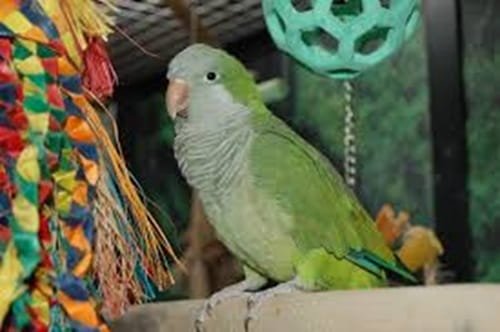
The Core Rule: Native Indian Parrots Are Illegal to Keep
The Wildlife Protection Act, 1972 (WPA), as strengthened by the 2022 amendment, protects all native Indian bird species from capture, trade, and captive keeping by private individuals. Schedule IV of the WPA specifically covers native parrot species.
Protected native Indian parrot species that cannot be kept as pets include: Rose-Ringed Parakeet (Psittacula krameri) — the ubiquitous green ‘tota’; Alexandrine Parakeet (Psittacula eupatria) — a larger native species; Plum-Headed Parakeet (Psittacula cyanocephala); Red-Breasted Parakeet (Psittacula alexandri); Malabar Parakeet (Psittacula columboides); Vernal Hanging Parrot (Loriculus vernalis).
Penalties for WPA Schedule IV violations: imprisonment up to 3 years, or a fine up to Rs 25,000, or both. The law does not grandfather in birds already held in captivity — owners of native species are technically required to release or surrender them to forest authorities.
The Rose-Ringed Parakeet: India’s Most Illegally Kept Bird
The Rose-Ringed Parakeet — the classic green ‘tota’ or ‘mitthu’ — is India’s most popular pet bird and simultaneously completely protected under the WPA. No private ownership licence exists for this species. It cannot be captured from the wild, bred commercially, traded, or kept as a pet by any individual.
Wildlife authorities regularly raid pet shops in major cities where these birds are sold in cages. The 2015 Maharashtra crackdown seized 100+ parrots from a commercial breeding operation. In 2021, 52 Rose-Ringed Parakeets were found dead in a Bengaluru case linked to illegal bird trade. Despite millions of households keeping this bird, the law prohibits it without exception.
Legal Exotic (Non-Native) Parrot Species
Exotic parrots from non-Indian habitats are not covered by the WPA’s prohibition. Legally keepable exotic species include: African Grey Parrot (from Central Africa); Sun Conure (South America); Green-Cheeked Conure (South America); Sulphur-Crested Cockatoo (Australia); Budgerigar/Budgie (Australia); Cockatiel (Australia); various Macaw species (Central and South America).
Two compliance requirements apply to exotic parrot ownership. First, CITES compliance: many exotic parrot species are listed under CITES Appendix I or II. Birds imported into India must have proper CITES permits and Indian customs clearance. Second, PARIVESH registration: under Section 49M of the WPA Amendment Act 2002, owners of CITES-covered exotic species must register possession, transfers, births, and deaths on the government’s PARIVESH portal.
The 2020 Exotic Species Amnesty Scheme
In 2020, the government launched an amnesty scheme requiring owners of exotic live species to register them with the Wildlife Crime Control Bureau (WCCB). This acknowledged widespread de facto ownership of exotic species without documentation. Current owners of exotic parrots should register on PARIVESH to demonstrate legal acquisition and avoid prosecution.
If you cannot document legal acquisition of your exotic parrot (e.g., bought informally without papers), consult a wildlife law attorney before attempting registration. Registering with documented illegal acquisition could create self-incrimination issues.
Identifying Your Parrot’s Legal Status
Practical identification steps: if you own a green bird with a ring around its neck, it is almost certainly a Rose-Ringed Parakeet — a protected native species. If you own a grey bird with a red tail, it is likely an African Grey — exotic and legally keepable.
For identification help: consult an avian vet, post photos on ornithology forums or iNaturalist, contact the Bombay Natural History Society. Correct identification determines your legal position. If your bird is a protected native species, voluntary surrender to the local forest department is the legally safest option.
Final Thought
All native Indian parrot species — including the beloved Rose-Ringed Parakeet — are protected under the WPA and cannot be legally kept as pets. Exotic non-native species can be legally owned with proper CITES import documentation and PARIVESH registration. For anyone wanting a legal, ethically sourced parrot companion, choose an exotic species from a reputable dealer with verifiable import records, register on PARIVESH, and ensure proper housing and veterinary care for the bird.
Frequently Asked Questions (FAQs)
Q1. Is the common green tota (Rose-Ringed Parakeet) illegal to keep?
Yes. The Rose-Ringed Parakeet is a native Indian species listed under Schedule IV of the Wildlife Protection Act. Keeping it as a pet is illegal and carries imprisonment up to 3 years and a fine up to Rs 25,000. No licence exists for private ownership of this species.
Q2. Which parrots can I legally keep in India?
Exotic non-native species with proper documentation: African Grey Parrots, Budgerigars, Cockatiels, Sun Conures, Green-Cheeked Conures, and various Macaw species — all provided they were legally imported with CITES documentation and your ownership is registered on the PARIVESH portal.
Q3. Can I keep an African Grey Parrot legally?
Yes, with conditions. African Greys are non-Indian exotic species, not prohibited by India’s WPA. However, they are CITES Appendix I species. Your bird must have been legally imported with CITES permits and customs clearance, and you must register ownership on the PARIVESH portal. Obtain birds only from reputable sellers who provide full import documentation.
Q4. What should I do if I have a native parrot at home?
The legally safest course is voluntary surrender to your local District Forest Officer (DFO). Contact the DFO for guidance on surrender procedures. Voluntary surrender is treated with leniency. Do not attempt to sell or re-home the bird, which would compound the violation. Do not release a captive-raised bird into the wild — it likely cannot survive.
Q5. Are budgerigars (budgies) legal to keep in India?
Yes. Budgerigars are native to Australia — not India — and are not protected under India’s WPA. They are among the most popular and legally trouble-free pet birds available in India. Since budgies are not listed under a restrictive CITES appendix for commercial trade, documentation requirements are straightforward. Ensure your bird is from a reputable, captive-bred source.