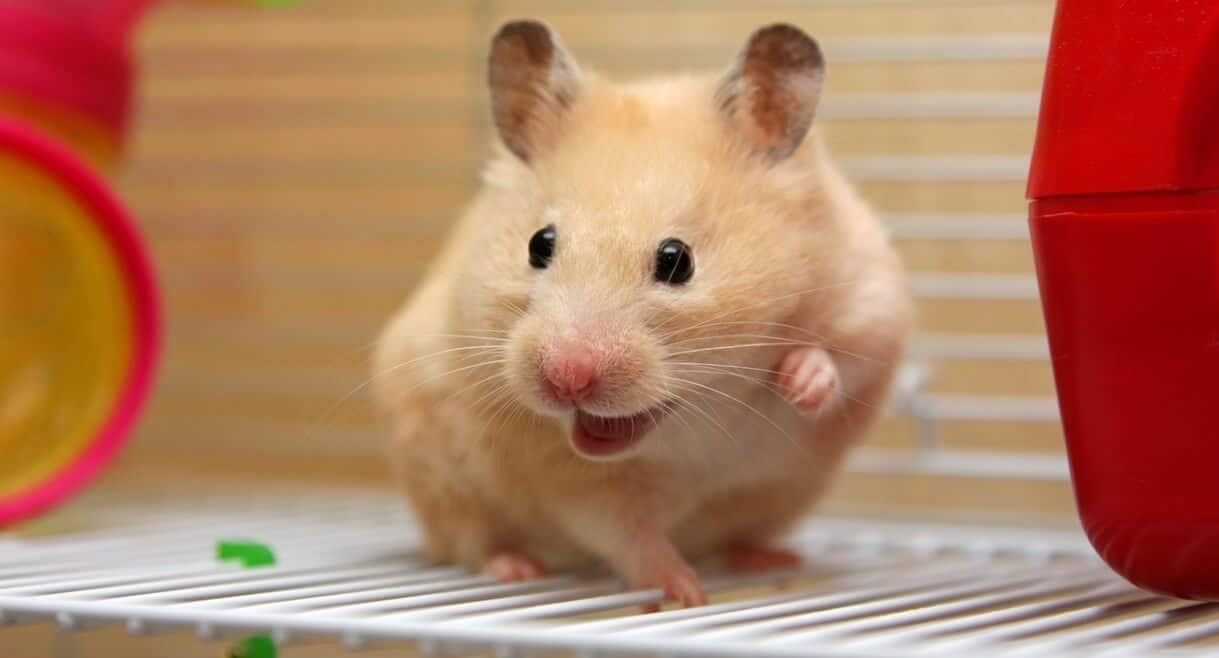
No, it is not illegal to own just one hamster in Switzerland. This is the opposite of what most viral lists and social media posts claim. While Switzerland absolutely does prohibit owning a single guinea pig, parrot, or several other social species alone, hamsters are specifically exempted from this rule, precisely because of their actual biology rather than despite it.
Why Switzerland’s Animal Welfare Law Exists in the First Place
Switzerland regulates pet ownership through two primary legal instruments: the Swiss Animal Welfare Act and its accompanying Animal Protection Ordinance, commonly abbreviated as the TSchV. Introduced in a comprehensive form back in 2008, running over 180 pages, this framework treats animal wellbeing as a genuine legal priority rather than a vague guideline. Article 13 of the ordinance specifically addresses social species, requiring that certain animals be kept alongside another animal of the same species, since the law explicitly states that the company of a human, however attentive, doesn’t substitute for genuine companionship from their own kind.
Which Animals Actually Fall Under This Solo-Ownership Ban
Guinea pigs are the most famous example, and for good reason; these genuinely social rodents require ongoing interaction with others of their species to avoid real psychological distress, including behaviors resembling loneliness and depression. Beyond guinea pigs, the same rule extends to several other species: mice, rats, chinchillas, degus, and a range of bird species including parrots, parakeets, canaries, finches, budgerigars, lovebirds, cockatoos, macaws, and Japanese quails. Goldfish are included as well, since they’re recognized as genuinely social creatures that benefit from group living even though most people assume fish have no meaningful social needs at all. Domestic rabbits carry a slightly different rule; they’re only considered exempt from the companionship requirement once they’re at least eight weeks old, since younger rabbits are treated as social animals requiring company during that early developmental period.
Why Hamsters Are the Genuine Exception to This Rule
Here’s where the popular myth falls apart entirely once you look at the actual biology involved. According to Switzerland’s Veterinary and Food Safety Ordinance, gold hamsters specifically are naturally solitary animals, and the guidance explicitly states they should be kept alone rather than with companions. This isn’t an oversight in Swiss law; it’s a deliberate recognition of genuine hamster behavior. Unlike guinea pigs, which thrive on constant social contact, hamsters are territorial by nature and can become genuinely aggressive toward other hamsters if forced to share an enclosure, sometimes resulting in serious injury or worse during confrontations between two same-species hamsters placed together.
Why This Distinction Actually Makes Complete Sense
The entire philosophy underpinning Switzerland’s animal welfare law isn’t about arbitrarily mandating companionship for every small pet; it’s about matching legal requirements to each species’ genuine natural behavior. Guinea pigs live in social groups in the wild and suffer real psychological harm in isolation, so the law protects that specific need. Hamsters, by contrast, live largely solitary lives in their natural habitat and experience genuine stress, sometimes violent conflict, when forced into close quarters with another hamster. Applying a uniform “never alone” rule across every small rodent species would have ignored this basic biological reality, so Swiss regulators specifically built in this hamster exception based on the animal’s actual needs rather than a blanket assumption about all small pets.
What Housing Standards Still Apply to Hamsters Regardless
Even though hamsters are exempt from the companionship requirement, Switzerland still maintains specific standards for how they must be housed. Hamsters and gerbils are required to be kept in glass tanks measuring at least half a square meter, giving them adequate space to move, explore, and exhibit natural behaviors. Since hamsters are natural burrowers, Swiss guidance specifically recommends providing digging opportunities within their enclosure, allowing them to engage in the tunneling behavior that’s central to their natural instincts. These requirements reflect the same underlying philosophy driving the rest of Swiss animal law; even species that don’t need companionship still have genuine physical and behavioral needs that owners are legally expected to accommodate.
Where This Popular Myth Likely Originated
Given how genuinely surprising Switzerland’s guinea pig law is to most people encountering it for the first time, it’s easy to see how the rule got generalized and misapplied to other small pets in popular retellings. Lists of “strange laws around the world” circulate constantly online, and details often get flattened or exaggerated in the process of repeated sharing, particularly when the original nuance, that this rule applies specifically to genuinely social species rather than small pets generally, gets lost somewhere along the way. Hamsters, being roughly the same size and general category as guinea pigs in most people’s minds, became an easy and understandable, if factually incorrect, addition to the myth.
What Actually Happens If You Keep a Social Species Alone
For species that genuinely do fall under this companionship requirement, enforcement responsibility sits primarily with Switzerland’s individual cantons, meaning specific procedures and penalties can vary somewhat depending on where in the country you live. Generally speaking, authorities can investigate reports of solo-kept social animals, and violations can result in fines, alongside a requirement to bring the animal’s living situation into compliance by acquiring an appropriate companion. Since hamsters fall outside this requirement entirely, none of this enforcement framework applies to hamster owners specifically, regardless of which canton they live in.
Why This Matters for Anyone Actually Considering Pet Ownership in Switzerland
Beyond simply correcting an internet myth, this distinction genuinely matters for anyone in Switzerland considering a small pet. If you’re drawn to guinea pigs, mice, or several bird species, Swiss law requires you to commit to keeping at least two of that species together, which meaningfully affects the space, cost, and care commitment involved compared to a single animal. If you specifically want a hamster, Swiss law not only permits solo ownership but actively recommends it, based on genuine hamster behavior and welfare, meaning would-be hamster owners can proceed with a single animal without any legal concern whatsoever.
FAQs
Q1. If hamsters are legal to keep alone, does that mean Switzerland doesn’t care about their welfare at all?
No, hamsters still have specific legal housing requirements covering enclosure size and enrichment like digging opportunities. The solitary housing rule reflects genuine hamster biology rather than a lack of regulatory concern for their wellbeing.
Q2. Are all types of hamsters treated the same way under this Swiss exception?
The specific guidance references gold hamsters as naturally solitary and appropriately kept alone, reflecting their particular territorial behavior, though the broader principle of respecting each species’ natural social needs applies across Swiss animal welfare law generally.
Q3. Can I legally keep two hamsters together in Switzerland if I want to?
While not prohibited outright, doing so isn’t recommended by Swiss veterinary guidance specifically because hamsters can become genuinely aggressive toward same-species companions, potentially resulting in injury, which is precisely why solitary housing is the suggested standard.
Q4. Does this same guinea-pig-style companionship rule apply to cats and dogs in Switzerland?
No, cats and dogs are treated differently under Swiss law; dogs are recommended to have contact with other dogs but this isn’t mandatory, and cats can be kept alone as long as they’re allowed regular outdoor access, unlike the strict companionship mandate applied to genuinely social small species.