American muscle cars. Classic European imports. Japanese sports cars. Many dream cars from abroad come with left-hand steering — a configuration completely opposite to what Indian roads are used to. So here’s the big question: can you legally drive a left-hand drive (LHD) car in India?
The short and honest answer is: driving an LHD car on Indian public roads is generally prohibited, but with a few narrow exceptions.
Why India Uses Right-Hand Drive (RHD)
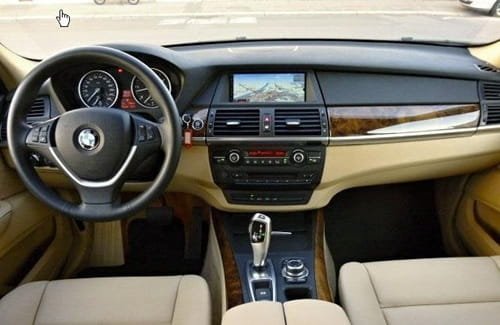
India drives on the left side of the road — a legacy of British colonial rule. In this system, the driver sits on the right side of the car (RHD), allowing them to better judge the distance from the road’s edge and oncoming traffic. Putting a left-hand drive (LHD) car on these roads means the driver is sitting on the left side, which creates serious visibility blind spots, particularly at junctions and while overtaking.
The Law: Section 120 of the Motor Vehicles Act
Section 120 of the Motor Vehicles Act, 1988, states that no person shall drive or cause to be driven in any public place any motor vehicle with a left-hand steering control unless it is equipped with a mechanical or electrical signalling device of a prescribed nature and in working order.
In practice, this means that simply having a signalling device does not fully legalise driving an LHD car on Indian roads. Registering a new LHD vehicle in India is virtually impossible under current rules, as RTOs are not set up to register such vehicles for general use.
The Exceptions: When LHD Is Tolerated
There are a few specific situations where LHD vehicles are permitted in India. Foreign diplomats and visiting dignitaries who bring their official LHD vehicles are given a pass. Manufacturers importing vehicles for testing purposes can get government approval. Vehicles brought into India under the Carnet de Passage (an international customs document for temporary import of a vehicle) may be driven temporarily. Old LHD vehicles that were registered years ago when the rules were more flexible are technically legal to continue driving.
However, brand new LHD vehicle registrations for regular civilian use are not permitted by RTOs.
What If You Want That Imported Sports Car?
If you have your heart set on an imported car that originally comes in LHD, your only legal option in India is to have it converted to RHD before registration. Companies like Daytona Exotics and other import specialists can arrange this conversion, though it is expensive and must comply with all safety regulations.
Final Thought
The law on LHD vehicles in India is not a minor technicality — it is rooted in real road safety concerns. India’s traffic conditions are complex, and adding LHD vehicles into the mix creates genuine risks for drivers and other road users. If you dream of an exotic import, always check whether it can be converted to RHD before making a purchase decision.
Frequently Asked Questions (FAQs)
Q1. Can I register a new LHD imported car in India?
Generally no. RTOs in India do not register new LHD vehicles for regular civilian use. You would need to convert the car to RHD and ensure it meets all Indian safety and emission standards before it can be registered.
Q2. Are foreign diplomats allowed to drive LHD cars in India?
Yes. Foreign diplomatic missions and visiting dignitaries are typically allowed to use LHD vehicles for official purposes under diplomatic conventions. This is one of the recognised exceptions under Indian law.
Q3. What is the penalty for driving an unregistered LHD car in India?
Driving any unregistered vehicle, including an LHD car, can result in fines, vehicle seizure, and legal action under the Motor Vehicles Act. Driving an LHD vehicle that creates a safety hazard can attract additional charges.
Q4. Can I temporarily bring an LHD car into India for travel?
Yes, under the Carnet de Passage scheme, foreign nationals can temporarily bring their LHD vehicles into India for a limited period. This is commonly used by international tourists on road trips. However, regular importation for personal use requires compliance with full customs and regulatory norms.