An American Airlines flight from Baltimore to Miami drew police attention on September 11, 2026, after a passenger allegedly removed her clothing and behaved indecently during the journey. The incident was described in some coverage as a dress code violation, but the reported circumstances went beyond a disagreement over acceptable clothing. Flight attendants reported disruptive behavior, the aircraft continued to Miami, and law enforcement met it on arrival. The distinction matters because violating an airline’s clothing policy does not automatically amount to committing a federal crime.
What Happened on American Airlines Flight 1779?
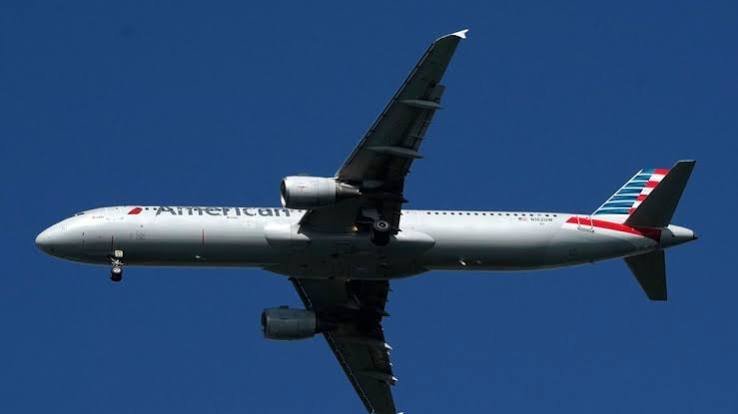
American Airlines Flight 1779 departed Baltimore/Washington International Thurgood Marshall Airport on Friday, September 11, 2026, for Miami International Airport. During the flight, cabin crew reported that a female passenger in row 9 had taken off her clothing and was allegedly engaging in indecent conduct in view of other passengers. The reported details came from an Aircraft Communications Addressing and Reporting System message published by the aviation news outlet AirLive and subsequently covered by PEOPLE and other publications.
The flight proceeded to Miami rather than diverting. After the Airbus A319 landed shortly after 11 p.m. local time, law enforcement responded at the airport. American Airlines confirmed that officers met the aircraft because of a disruptive customer and that the passenger was removed from the plane. The Miami-Dade Sheriff’s Office said the reported disturbance took place in flight, prompting contact with federal investigators. The FBI’s Miami office confirmed awareness of the incident but did not provide details about any case outcome.
The publicly reported sequence does not establish that the passenger was charged with a crime, convicted, fined, or barred from future travel. The flight’s late departure should not be attributed to this midair disturbance without evidence establishing that connection.
What Does American Airlines’ Dress Code Actually Require?
American Airlines addresses clothing in its Conditions of Carriage, the contract governing transportation on its flights. The airline requires passengers to dress appropriately and states that bare feet or offensive clothing are not permitted. It also requires customers to behave respectfully and follow crew instructions. The rules give American the ability to refuse transportation or remove passengers in circumstances involving misconduct or safety concerns.
An airline dress code is a contractual policy, not a freestanding criminal law. A customer who arrives wearing clothing that the carrier considers offensive may face a boarding dispute without necessarily violating a criminal statute. By contrast, conduct that disrupts the cabin, threatens others, or interferes with crew duties may create separate legal issues. In Flight 1779, the reported conduct and the request for police involvement made this more serious than an ordinary wardrobe disagreement.
Can a Passenger Face Federal Penalties?
Federal aviation law prohibits interfering with crew members performing their duties. Under 14 CFR 121.580, passengers may not assault, threaten, intimidate, or interfere with flight crew members. Whether particular behavior violates that rule depends on evidence about what happened and its effect on the crew; indecent dress or nudity alone does not automatically prove crew interference.
The Federal Aviation Administration can pursue civil penalties in qualifying unruly-passenger cases. Its public guidance lists potential penalties of up to $43,658 per violation, and one incident can involve more than one alleged violation. That amount is an enforcement ceiling, not a standard fine for taking off clothing. Criminal charges, if warranted, are handled by law enforcement and prosecutors rather than by the FAA. No publicly verified FAA assessment or criminal disposition was established for this particular passenger in the reporting reviewed.
Can an Airline Remove or Ban a Disruptive Customer?
American can take operational steps under its Conditions of Carriage, including denying boarding or removing a customer who fails to follow its rules. In-flight situations are different from gate disputes: the crew must manage the disturbance until it can safely hand the matter to authorities. An airline may also impose its own future-travel restrictions, but a passenger’s removal from one aircraft does not establish that a permanent ban was issued.
Passengers who believe a decision was discriminatory or inconsistent with the airline’s contract may use the carrier’s complaint process and, where appropriate, the U.S. Department of Transportation’s aviation consumer complaint process. Those remedies do not excuse conduct that independently violates safety rules.
What Remains Unconfirmed?
The key established facts are the September 11 flight, the crew’s report, law enforcement’s response in Miami, and the FBI’s awareness of the incident. The woman’s identity, any precise criminal allegations, the outcome of an investigation, and any airline or FAA penalties were not confirmed in the available official statements. Claims that intoxication, a medical condition, or a particular motive caused the behavior should not be presented as fact.
The Miami incident illustrates why an airline policy violation and a criminal accusation must be treated separately. Flight crews can act to protect passengers, but legal responsibility depends on documented conduct, the relevant law, and any subsequent enforcement decision.