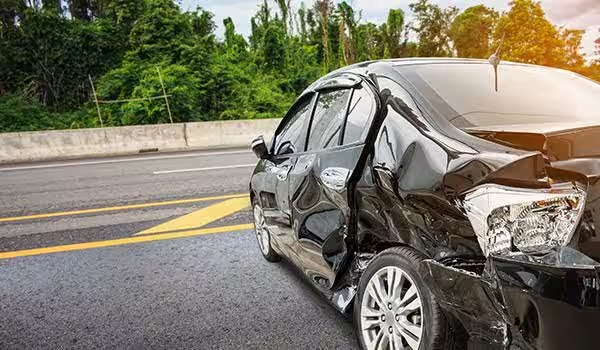
An Uber trip from O’Hare or a Lyft ride home from the Loop can become a legal problem in seconds. After a crash, an injured passenger may face competing accounts of what happened, unfamiliar insurers, and medical bills that arrive before anyone accepts responsibility.
Choosing a Chicago rideshare accident lawyer requires attention to both fault and insurance coverage. This editorial shortlist features four firms with published rideshare practices; the order is not an official rating or a guarantee of results.
1. Rosenfeld Injury Lawyers
The Rosenfeld Injury Lawyers rideshare accident team investigates Uber and Lyft claims using trip records, app data, police reports, witness statements, medical documentation, and available surveillance footage.
These records can resolve different questions: a ride receipt helps establish timing, while footage may reveal an unsafe pickup, a sudden turn, or a failure to yield.
The firm represents injured passengers, rideshare drivers, pedestrians, cyclists, and other motorists. Its work includes identifying potentially responsible parties, examining applicable policies, handling insurer communications, and documenting treatment expenses and lost earnings.
This investigative scope makes Rosenfeld a strong starting point for someone dealing with multiple insurers after a Chicago collision. The firm offers free consultations and handles rideshare cases on a contingency fee basis.
2. Clifford Law Offices
Clifford Law Offices represents passengers and other drivers injured in Chicago rideshare crashes. Its published litigation work includes a wrongful death case involving a dispute over whether an Uber-related claim belonged in court or arbitration.
That experience is relevant when a claim raises contractual or procedural issues. During a consultation, ask whether an app agreement could affect your claim and how the attorneys would address it.
3. Abels & Annes, P.C.
Abels & Annes, P.C. offers dedicated Chicago rideshare accident representation. Its Uber practice describes obtaining platform data through legal channels, using accident reconstruction specialists when appropriate, and preparing cases with potential litigation in mind.
The firm accepts calls around the clock and offers free consultations by phone, video, or in person. Its attorneys say they travel to clients who can’t visit its Chicago or Evanston offices.
These options can make legal consultations more accessible while an injury limits mobility.
The Driver’s App Status Can Change the Insurance Picture
After a Chicago crash, establish whether the driver was waiting for a request, heading to a pickup, or carrying a passenger. These stages affect rideshare insurance coverage, with higher liability limits generally available after a driver accepts a trip than while waiting for a request.
A coverage limit does not establish what an injured person will receive. Fault, covered losses, policy terms, and other claims can affect recovery. Determining whether Uber or Lyft bears legal responsibility is also separate from identifying insurance available for a driver’s conduct.
4. Salvi, Schostok & Pritchard P.C.
Salvi, Schostok & Pritchard P.C. maintains a Chicago Uber and Lyft accident practice that addresses both crash investigation and the financial consequences of serious injuries.
Its approach includes reviewing medical records and, when appropriate, consulting life-care planners or economists to assess future treatment costs and lost earning capacity.
The firm also describes investigating driver background checks, vehicle compliance, and prior complaints where relevant. Any claim based on these issues requires evidence connecting the alleged failure to the injury; a problem in a driver’s history alone does not establish corporate liability.
Who Will Secure the Evidence Behind Your Trip?
For the first consultation, gather any available ride receipt, driver profile, photographs, crash report details, medical bills, and insurer messages. Preserve original files and unedited screenshots.
Ask the attorney which records to preserve and how they will obtain information you cannot access yourself. A passenger’s app history may provide only part of the timeline.
Proving the elements of negligence requires evidence of a duty, a breach, causation, and legally recognized harm. Employment records can help quantify income lost during recovery, while medical documentation supports the claimed treatment needs.
Before retaining a firm, identify the lawyer responsible for your matter and review the fee agreement, expense provisions, and communication arrangements.
Choose Representation With a Clear Plan for Your Claim
A useful consultation should clarify the proposed legal work and the uncertainties affecting your claim. Choose a Chicago firm that gives understandable answers, sets realistic expectations, and offers working arrangements suited to your recovery.