Cannibalism – the act of consuming human flesh – is one of those topics where Indian law creates a surprising legal vacuum. There is no specific law in India, or in most of the world, that explicitly criminalises the act of cannibalism by name. However, this does not mean it is “legal” in any meaningful sense. In virtually every real-world scenario where cannibalism could occur, the associated acts – murder, corpse desecration, trespassing on burial grounds, causing grievous hurt – are serious crimes under the Bharatiya Nyaya Sanhita (BNS), 2023. Cannibalism is effectively criminalised through overlapping provisions even without a dedicated law.
Why There Is No Specific “Cannibalism Law”
The absence of a specific cannibalism statute in Indian law (and most global legal systems) reflects the extreme rarity of the act. Most criminal codes are built around harms that occur with some frequency. Cannibalism is sufficiently rare that legislators have historically addressed it through general murder, assault, and public health laws rather than creating dedicated statutes.
Legal scholars and advocates have increasingly argued that this legislative gap is problematic – as demonstrated by cases like Nithari (2006) and the Kerala Human Sacrifice case (2022) where prosecutors struggled to frame precise charges around acts that involved consuming human flesh. The Bhartiya Nyaya Sanhita (BNS) enacted in 2023 similarly does not address cannibalism directly.
BNS Provisions That Make Cannibalism Effectively Illegal
Murder (BNS Section 101/102): In the most common cannibalism scenario, a person is killed to obtain their flesh. This is murder under BNS Section 101 (culpable homicide) or 102 (murder). Punishment: death penalty or life imprisonment and fine. Consent of the victim does not legalise murder in India – even if a person voluntarily agreed to be eaten, the act of killing them remains murder. The Armin Meiwes case in Germany (where a consenting victim was killed and eaten) would be murder in India regardless of consent.
Corpse Desecration (BNS Section 297): “Whoever, intending to wound the feelings of any person, or with knowledge that the feelings of any person are likely to be wounded, commits any trespass in any place of worship, or on any place of sepulchre, or any place set apart for the performance of funeral rites or as a depository for the remains of the dead, or offers any indignity to any human corpse, or causes disturbance to any persons assembled for the performance of funeral ceremonies, shall be punished with imprisonment up to one year, or fine, or both.” Consuming human flesh from a corpse would constitute “offering indignity to a human corpse.”
Causing Grievous Hurt (BNS Section 117): If cannibalism involves mutilation, dismemberment, or causing injury to a living person, this constitutes grievous hurt punishable with up to 7 years imprisonment. Illegal Exhumation: Digging up a grave to access a corpse for cannibalism would constitute trespass on burial places under Section 297. Public Health Laws: Consuming human flesh could trigger public health and food safety regulations that prohibit consuming human tissue.
Real Cases in India
The Nithari Case (2006-2008): Surinder Koli, a domestic servant in Noida, was accused of abducting and murdering multiple children and women, with strong allegations of cannibalism involving the victims’ remains. Bone fragments and body parts were found in the house. Koli was charged under Section 302 IPC (murder), kidnapping, and rape provisions. The case highlighted the gap in Indian law – there were no specific charges for the cannibalistic aspects, which were dealt with under the murder charge. Koli was convicted and sentenced to death in multiple cases.
Kerala Human Sacrifice Case (2022): A couple was arrested after two women were murdered, their bodies allegedly consumed as part of dark ritual practices. Charges included murder and criminal conspiracy. The case reignited national debate about superstition-driven crimes and the need for specific legislation on ritual cannibalism.
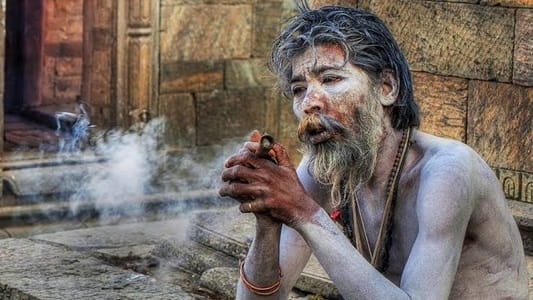
The Aghori Sadhus: A fringe ascetic sect in the Shaiva tradition, Aghoris are known to consume human remains from cremation grounds as part of spiritual rituals aimed at achieving enlightenment. Since they typically consume flesh from already-dead individuals (not killing anyone), the murder provision does not apply. The corpse desecration provision under Section 297 could theoretically apply, but the practice has historically been tolerated as a religious custom of a very small community, and courts have been reluctant to criminalise it absent specific public harm.
The Case for Specific Legislation
Legal experts and scholars have argued for specific cannibalism legislation for several reasons: precision in prosecution (prosecutors in cases like Nithari struggled to frame the full criminality of the acts); deterrence (explicit prohibition sends a clear public signal); addressing the corpse consumption loophole (current law only weakly addresses consuming a corpse one did not kill); and creating a specific framework for handling alleged ritual cannibalism cases. The debate continues without legislative action as of March 2026.
Final Thought
Cannibalism is not legal in India even though no specific “cannibalism law” exists. In any real-world scenario where cannibalism occurs, associated offences under the BNS would apply: murder, corpse desecration, grievous hurt, illegal exhumation, or public health violations. These carry severe penalties including death or life imprisonment for murder. The absence of a dedicated cannibalism statute is a legislative gap that legal scholars argue should be addressed, particularly in light of ritual and superstition-driven cases that recur in India. Effective prosecution of such cases currently depends on fitting the acts into existing provisions, which sometimes inadequately captures the specific horror of the conduct.
Frequently Asked Questions (FAQs)
Q1. Can someone legally consent to being eaten alive in India?
No. Consent does not legalise killing another person. Even if a person expressly consents to being killed and eaten, the act of killing them constitutes murder or culpable homicide under BNS Sections 101-102. Unlike some other offences where consent is a defence, murder is absolutely prohibited regardless of the victim’s desire to die. The person who commits the killing and consumes the body would face murder charges carrying death penalty or life imprisonment.
Q2. Is it illegal to consume a dead person’s flesh if you didn’t kill them?
Technically, no specific law says consuming flesh from an already-dead person is explicitly criminalised as “cannibalism.” However, obtaining that flesh would require: illegal exhumation of a grave (trespass and corpse desecration under BNS Section 297); or unlawful removal of body parts from a deceased person. The act of consuming human flesh also likely violates public health regulations and food safety laws. Courts would likely apply BNS Section 297 (indignity to a human corpse) at minimum, carrying up to 1 year imprisonment.
Q3. Are the Aghori sadhus who consume human remains doing something illegal?
This is legally complex. Aghoris consume remains from cremation grounds, typically without killing anyone. They do not fall under murder provisions. Their practice could theoretically constitute trespass on burial/cremation grounds or indignity to a corpse under BNS Section 297. However, Indian courts have historically been reluctant to criminally prosecute ancient religious customs without clear public harm. The Aghori community is very small (numbering in the hundreds to low thousands), and their practices while controversial have not led to systematic criminal prosecution under current law.
Q4. What happened legally in the Nithari killings case?
Surinder Koli was convicted of murder (BNS/IPC Section 302), kidnapping, and rape in multiple separate cases involving different child victims. He received the death sentence in several cases. Co-accused Moninder Singh Pandher was initially also convicted but later acquitted in some cases. The cannibalistic elements of the case were not separately charged as no specific provision existed – they were folded into the murder charge. The case remains ongoing in appeals as of 2026, with execution not yet carried out due to legal proceedings.
Q5. Should India have a specific anti-cannibalism law?
Legal experts largely agree that yes, India needs specific legislation criminalising cannibalism and related acts (necrophagy, ritual consumption of human remains, illegal corpse desecration). Arguments for: precision in prosecution; clear deterrence; addressing the corpse consumption gap in current law; and providing a specific framework for ritual cannibalism cases that recur in India. However, the extreme rarity of the act and the political irrelevance of the topic have meant this legislative reform has not been prioritised. As of March 2026, no such legislation is before Parliament.