Declawing remains legal in most of the United States, but the legal landscape has shifted dramatically and quickly. As of 2026, a growing list of states, along with Washington D.C. and dozens of individual cities, have banned the procedure for anything other than genuine medical necessity. If you’re in one of these jurisdictions, a veterinarian legally cannot declaw your cat simply because it’s scratching furniture.
What Declawing Actually Involves
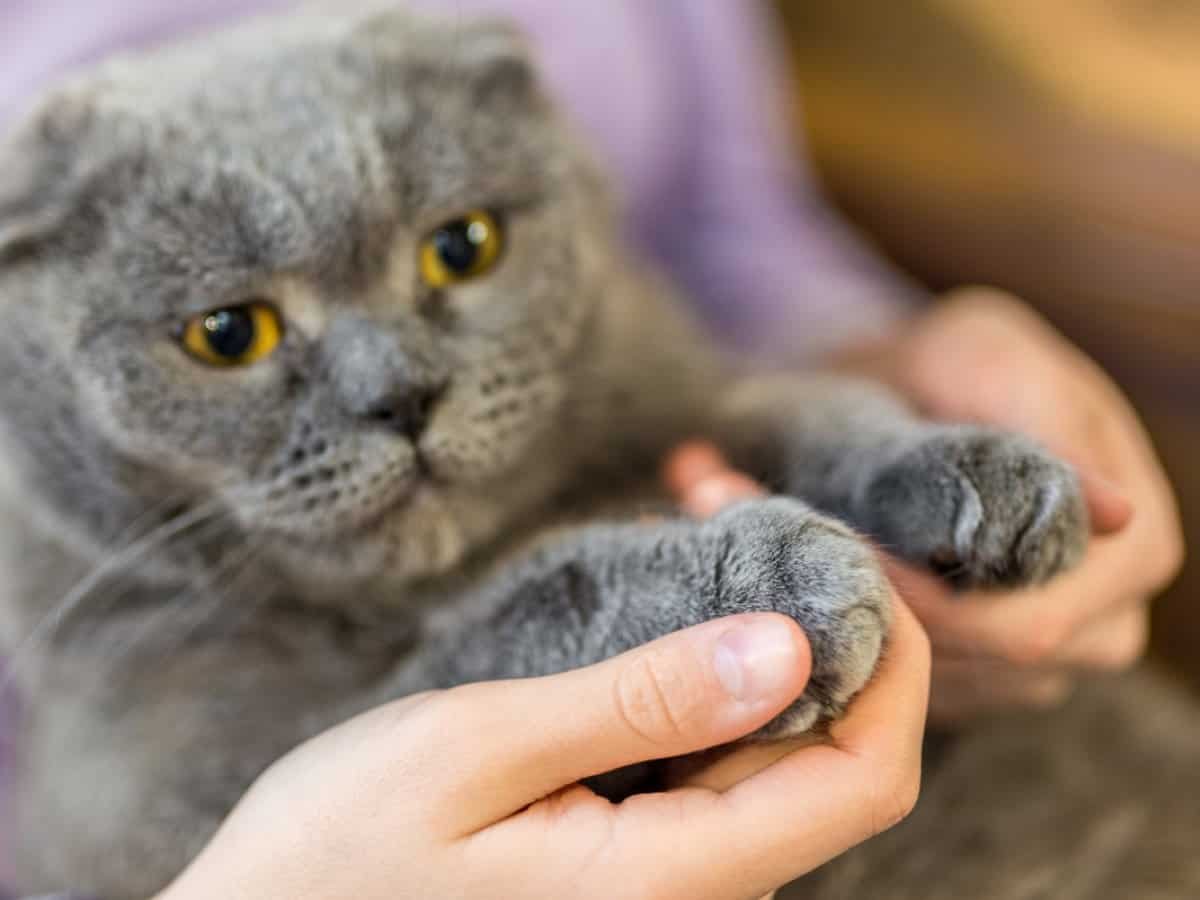
Declawing, technically called an onychectomy, isn’t simply removing the claw itself. It’s a surgical amputation of the last bone in each of a cat’s toes, comparable to amputating a human finger at the final knuckle. This distinction matters enormously to why so many states have moved to restrict it; animal welfare advocates and a growing number of veterinarians argue this goes well beyond a routine cosmetic procedure and constitutes genuine, permanent physical harm.
Which States Currently Ban It
New York became the first state to prohibit declawing in 2019, allowing fines up to $1,000 as a civil violation. Maryland followed in 2022, giving its veterinary board explicit authority to take disciplinary action against practitioners who violate the ban. Virginia joined in 2024. In 2025, the pace picked up considerably, with Massachusetts, Rhode Island, and Washington D.C. all enacting their own prohibitions. California became the most recent addition, with its ban taking effect January 1, 2026, classifying violations as a misdemeanor with potential jail time for the veterinarian involved. Every single one of these state bans specifically targets veterinarians performing the procedure without medical justification, not cat owners who might request it.
The Medical Necessity Exception Every Ban Includes
None of these state laws create an absolute prohibition. Every single one carves out an exception when a licensed veterinarian determines the procedure is genuinely necessary for the cat’s health, such as treating a serious injury to a claw, a deep infection, or a tumor requiring amputation. California’s law, for instance, specifically states that declawing remains legal only for a “therapeutic purpose,” and performing the surgery for any other reason, like preventing furniture scratching, can result in the state veterinary board denying, suspending, or revoking a veterinarian’s license.
What Happens at the City Level in States Without a Statewide Ban
This is where things get genuinely complicated for pet owners trying to figure out their local rules. Even in states without a statewide prohibition, individual cities have passed their own local bans. Denver, Colorado, St. Louis, Missouri, Pittsburgh, Pennsylvania, Austin, Texas, and several California cities that had bans before the statewide law took effect, including Los Angeles, San Francisco, and West Hollywood, all restrict declawing within their city limits specifically. This creates a genuinely confusing patchwork; declawing might be completely legal at the state level but banned the moment you cross into a specific city, and driving just a short distance outside that city’s boundaries can make the procedure legal again.
Why Oregon Takes a Middle-Ground Approach
Oregon represents an interesting middle position worth understanding. Rather than an outright ban, Oregon permits declawing only under specific medical conditions, meaning the procedure must genuinely be justified as necessary for the cat’s health rather than performed purely for owner convenience. This functions similarly to the medical exception built into full state bans, but Oregon frames its entire regulatory approach around this standard rather than imposing a formal statewide prohibition alongside it.
What’s Actually Driving This Legislative Trend
The push behind these bans has been driven substantially by veterinary and animal welfare organizations pointing to research on the procedure’s long-term effects. Studies cited by lawmakers in California and elsewhere have linked declawing to chronic pain, residual bone fragments left behind after surgery, mobility issues, and behavioral changes including increased biting and litter box avoidance, since a cat that can no longer scratch to mark territory sometimes redirects that instinct elsewhere. This research has shifted professional veterinary opinion considerably; many veterinary schools have moved away from teaching declawing as a routine procedure altogether, regardless of what state law technically permits.
What Happens If You Try to Get It Done in a Ban State Anyway
The legal consequences in ban states fall specifically on the veterinarian performing the procedure, not typically on the pet owner requesting it. A veterinarian who declaws a cat without genuine medical justification in Massachusetts, for example, faces escalating civil fines starting at $1,000 for a first offense and climbing with repeat violations. In Washington D.C., a conviction can bring a fine up to $500, up to 90 days of incarceration, or both. This means pet owners in ban states genuinely cannot obtain the procedure locally for cosmetic reasons, since no licensed veterinarian in that jurisdiction can legally perform it without real medical cause.
What Alternatives Actually Work
Given how much the legal and professional landscape has shifted, most veterinarians now actively steer owners toward alternatives rather than declawing. Regular nail trimming, soft silicone claw caps that go over a cat’s existing claws, scratching posts placed strategically near furniture the cat already prefers, and positive reinforcement training using treats have all become the standard first-line recommendations. Veterinarians who’ve worked with feline behavior extensively note that most cats can genuinely be trained to accept nail trims and redirected toward appropriate scratching surfaces with consistent, patient effort.
FAQs
Q1. If declawing is banned in my state, can I just travel to a neighboring state to get it done legally?
Yes, this is technically possible since state bans only restrict veterinarians practicing within that state’s borders, though it means additional travel and cost, and the medical necessity standard would still apply wherever you go.
Q2. Is it illegal for me as a cat owner to declaw my own cat myself, without a vet?
This would likely fall under animal cruelty statutes in virtually every state, regardless of whether that state has a specific declawing ban, since performing surgery without proper training or anesthesia constitutes a much more serious form of animal abuse.
Q3. Does the medical necessity exception require a specific type of documentation from the vet?
Generally yes. State laws typically require veterinarians to document a genuine therapeutic reason, like treating an injury or tumor, and this documentation can be reviewed if a licensing board investigates a complaint against that veterinarian.
Q4. Are cities allowed to ban declawing even in states where it’s otherwise legal statewide?
Yes, and this is exactly what’s happened in states like Texas, Missouri, and Pennsylvania, where individual cities have enacted their own local prohibitions despite no broader statewide ban existing.