A stack of paperwork from the arrest sits on the counter, filled with unfamiliar terms such as possession, schedule, and intent. At this stage, some people reach out to a criminal attorney in Charleston simply to learn what the charge means, and the first questions are often very basic.
Drug laws in South Carolina depend on the substance, the amount, and the circumstances surrounding the case. The penalties and how prior convictions affect the case can also vary from case to case, and the consequences may continue after the case ends.
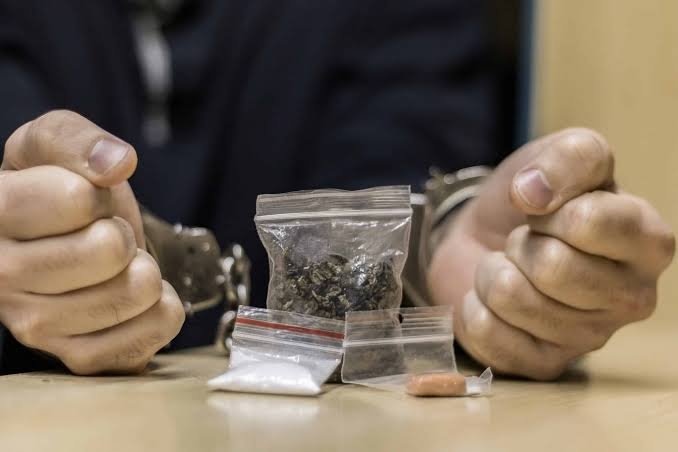
What Are the Different Types of Drug Charges?
- Drug charges may be generally categorized based on the type of offense.
- Simple possession of the substance is defined as possessing a controlled substance for personal use.
- Drug possession may either be actual or constructive, depending on whether the person has the item on their person or has access to the place where it is found.
- Possession with intent to distribute is treated as a separate offense, as it involves more than personal use.
- In court, the prosecution will argue that specific circumstances, such as the amount of the drug, its packaging, the presence of scales and cash or text messages, suggest an intent to distribute.
- Manufacturing involves the production or cultivation of illegal drugs and is considered more serious than simple possession.
- The charges depend on the category to which the substance belongs.
- Therefore, in each particular case, the charges may vary.
What Penalties Can Come With a Drug Possession Charge?
The penalties that can come with a drug possession charge can vary widely in severity. The substance, the location, the amount, and the individual’s history can all affect the charges and possible sentencing. In some cases, a charge may be charged as a misdemeanor, while in others, it may be charged as a felony, which would have different sentencing ranges.
Examples of penalties that may be imposed include probation, fines, community service, treatment or educational programs, or incarceration, depending on the offense. The combination of these penalties is determined on a case-by-case basis, and no two charges are the same.
Some jurisdictions may also offer diversion or treatment programs for qualifying charges. Eligibility for such programs can vary widely, and an individual must meet certain requirements to participate.
A judge will take many factors into consideration when deciding whether to accept a plea agreement between the defense and the prosecution, as well as any consequences associated with it. A judge will also determine if any additional court hearings need to take place in order to review evidence or testimony before imposing a sentence.
The range of possible consequences can be very broad depending on the situation. Individuals may wish to research the laws in their jurisdiction or consult with qualified legal professionals rather than rely on general information from other sources.
How Do Prior Convictions Affect a Drug Case?
Prior convictions can also affect the charges, sentencing and whether you qualify for any diversion/treatment programs. In South Carolina there are increased penalties for some drug-related offenses with prior convictions. This will depend on the type of drug, the charge you are facing and what the law provides.
Prior convictions will also affect sentencing options. First-time offender programs are usually only available to those with no prior convictions. This could impact on whether you qualify. However, you will need to consider the circumstances of your case and how long ago the conviction occurred
Typically older convictions will be given less weight, although some convictions from other jurisdictions may be treated differently. Each conviction should be considered individually based on all the relevant facts. If you are unsure as to how prior convictions could affect your case it is a good idea to get a copy of your criminal record and review it. This may show any inaccuracies that may need to be corrected
What Happens After a Drug Case Ends?
A drug crime can have lasting effects on your daily life after the case has concluded. The following areas may be affected:
- Criminal record and background checks
- Employment and professional licenses
- Housing applications
- Education and eligibility for financial aid
- Driving privileges
A conviction may appear on certain background checks. Some professions require you to disclose any convictions and some licensing agencies may review records when approving or denying an application or renewal. Additionally, housing firms may ask to review a criminal record during the application process.
The impact of a conviction on these areas depends on the charge and the outcome of the case. In certain instances, your records may be eligible for review or clearance according to South Carolina law.
What Is Drug Trafficking Under South Carolina Law?
Trafficking generally refers to involvement in the sale, delivery, or large-scale handling of controlled substances. In many cases, it is associated with larger quantities. South Carolina law sets weight thresholds for certain substances, and reaching those amounts may support a trafficking charge even when no sale is described.
South Carolina law establishes specific weight thresholds for each substance and even possessing an amount that exceeds these thresholds can be considered trafficking. In addition, intent to distribute may be evaluated by the court in different ways depending on the case and should also be taken into account when determining whether trafficking took place.
It is important to note that trafficking is usually punished more severely than simple possession or distribution. In addition, trafficking can involve a significantly wider range of penalties, making a plea agreement more difficult to negotiate. The specific penalties for trafficking depend on the substance and the amount involved in the offense.
Since determining whether trafficking occurred can be based on weight measurements and evidence of intent to distribute, such cases are more complex and require more evidence than possession cases. This does not mean that all cases of this kind are the same since everything depends only on the particular circumstances of each case.
How Are Prescription Drug Charges Different?
Prescription-related charges differ from other drug-related charges. Although a prescription can provide a legal basis for obtaining a substance, complications may arise from possessing medication without the required documentation or a medication prescribed to someone else.
Some examples include having someone else’s prescription and having more pills than one would possess outside their original labeled container on a prescription. Having a valid prescription can complicate a case because important details such as dates, dosage, and the medical professional who issued it can be relevant.
Each situation depends on its specific facts, such as consultation with a pharmacist or doctor.
Key Takeaways
- Drug charges in South Carolina are generally grouped by conduct and outcomes depend on the substance, the amount and the circumstances.
- A prior record may influence how a case is charged and which options a court may consider.
- The effects of a drug case can extend to employment, housing, education and driving privileges, depending on the facts.
- Trafficking and prescription drug charges follow their own rules and each case can unfold differently.
Disclaimer
This article is provided for educational and informational purposes only and is not legal advice. Criminal laws and procedures can vary by case and under applicable South Carolina law, and they may change over time. Anyone facing a drug charge can talk with a licensed criminal lawyer in Charleston about how these rules apply to the facts of their own case.