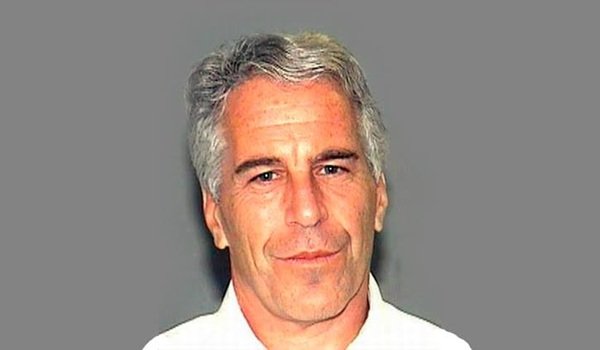
British author and television personality David Walliams faced allegations of inappropriate behavior toward women working at his publisher, HarperCollins UK. The accusations became public in December 2025, when the publisher confirmed it would no longer release new titles by him. Reports described a workplace investigation and an alleged settlement with a former employee. Walliams strongly denied behaving inappropriately and said he had not been given an opportunity to respond to the complaints. These were workplace allegations, not a published criminal conviction.

What were the allegations about?
Reporting by The Telegraph, subsequently covered by Reuters and ITV News, said female staff members had raised concerns about Walliams’ conduct. The reporting described allegations of harassment involving junior employees and stated that some members of staff were kept apart from him while concerns were addressed. The individual complaints were not presented in full in a public court file, and the people making them were not named in the reporting. It is therefore necessary to attribute specific assertions to the news organizations and avoid treating them as uncontested findings.
What did HarperCollins announce?
On December 19, 2025, HarperCollins UK said that, after careful consideration and under new leadership, it had decided not to publish new books by Walliams. The company said it took employee well-being seriously and maintained procedures for raising and investigating complaints. It declined to discuss confidential internal matters. The public decision was about future publishing arrangements; it was not an announcement that a court had found Walliams liable for harassment.
Was a settlement reported?
News coverage said that one woman who had raised concerns reportedly received a five-figure settlement and subsequently left the company. The precise terms were not publicly verified through a court judgment. An employer may settle a workplace dispute without admitting that every allegation is correct, and confidentiality provisions can limit the information available. Describing the alleged payment as a reported settlement, rather than a proven damages award, is the accurate approach.
What did David Walliams say in response?
A spokesperson for Walliams said he strongly denied any inappropriate behavior. The representative also said Walliams had not been informed of any allegations raised against him by HarperCollins, had not been part of an investigation and had not been invited to answer questions. He said he was taking legal advice. These statements do not establish that the reporting was false; equally, the complaints alone do not establish guilt. Both sides’ accounts should be presented with attribution.
Was the dispute connected to Britain’s Got Talent?
Walliams had earlier left the television program Britain’s Got Talent after recordings emerged of disrespectful comments made about contestants. He apologized for those comments. He subsequently pursued a privacy-related legal claim against the show’s production company, Fremantle, and the parties announced an amicable resolution in 2023. That prior controversy involved a different company and separate legal issues. It should not be used as proof of the later HarperCollins workplace allegations.
What laws might govern such a workplace complaint in the UK?
Workplace harassment claims in Britain may involve the Equality Act 2010, employment law, contractual duties and obligations concerning staff welfare, depending on the facts and the identity of the parties. An employer’s internal procedures may address conduct that falls short of a legally proven claim. A settlement agreement can resolve potential disputes privately. Without a public judgment or complete complaint file, it is not possible to conclude that any particular statutory test was satisfied in the Walliams matter.
Does being dropped by a publisher amount to a criminal penalty?
No. A publisher’s decision about future books concerns a commercial relationship and possibly contractual obligations. It is different from a criminal charge, an arrest, a prosecution or a judicial sentence. Likewise, allegations of workplace misconduct may create employment or civil-law issues without leading to criminal proceedings. The information reported by major news outlets about Walliams centered on the publishing decision and his denial, not a criminal conviction.
What is known about Walliams’ publishing career?
Walliams became one of the United Kingdom’s most commercially successful children’s authors, publishing titles such as The Boy in the Dress, Gangsta Granny and Billionaire Boy. His books were issued in numerous languages and were widely adapted or promoted. That commercial success explains why the decision by HarperCollins drew unusual attention, but it does not determine the credibility of employee complaints. A publisher’s choice to stop acquiring new work does not necessarily mean books already in circulation are recalled or withdrawn; the company’s announced action concerned future titles.
What is the verified status as of November 2026?
The confirmed public development is HarperCollins UK’s December 2025 decision not to publish new Walliams titles. Reliable reporting described allegations and a possible settlement, while Walliams denied wrongdoing. No later criminal conviction relating to those workplace claims was identified in the verified sources. A responsible article should preserve those boundaries and avoid suggesting that a confidential internal complaint has already been proved in court.