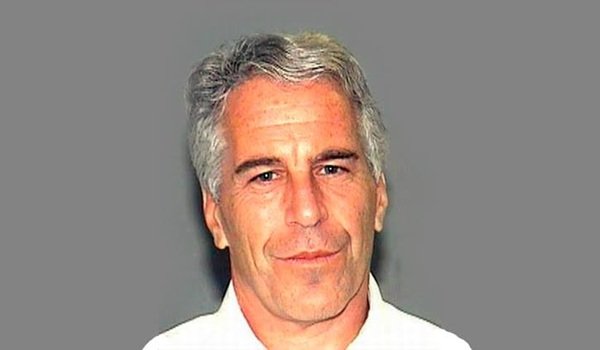
Jeffrey Epstein’s 2006 Palm Beach booking photograph has become one of the enduring images of the financier’s criminal history. The photograph records a Florida arrest during an investigation into the sexual exploitation of underage girls. It does not tell the full story of the case, which included a controversial 2008 plea agreement, a subsequent federal sex-trafficking prosecution in 2019 and Epstein’s death in custody before that later case could be tried.
The public interest in the image is inseparable from questions about how investigators, prosecutors and influential defendants were treated. Precisely identifying the 2006 booking photograph helps distinguish the early Florida proceedings from newer images, documents and records released years afterward.
The Palm Beach investigation
Palm Beach police began investigating Epstein after allegations surfaced that he had sexually abused a minor. Detectives interviewed numerous young women and girls and developed concerns about recruitment and payments connected with visits to his residence. In July 2006, after a grand jury returned a solicitation-related charge, Epstein was arrested.
A booking photograph obtained through Palm Beach County sheriff records was later widely reproduced. Archive descriptions identify the image as a 2006 law-enforcement photograph. It should not be mislabeled as a 2019 federal booking or an image taken after Epstein’s death.
The disputed 2008 resolution
In 2008, Epstein pleaded guilty to Florida state offenses related to solicitation and procurement of a minor for prostitution. The arrangement was linked to a federal non-prosecution agreement that drew years of scrutiny because it avoided a broader federal case at the time and permitted unusually favorable detention arrangements.
Investigations and later reports raised questions about the treatment of victims and the decisions that produced the deal. The official record establishes that there was a Florida conviction arising from the earlier case; the existence of a controversial agreement does not erase it.
The separate 2019 federal prosecution
Federal authorities arrested Epstein in July 2019 and charged him in New York with sex trafficking of minors and conspiracy. That prosecution was separate from the Florida charges and reflected renewed investigation of allegations that had drawn national attention.
Epstein died in federal custody in August 2019 before a trial could take place on those charges. Therefore, the 2019 federal indictment must not be described as resulting in a conviction. The earlier 2008 Florida guilty plea remains a distinct, completed criminal disposition.
What the old mugshot establishes
The 2006 booking image confirms an arrest-processing event, not the entirety of the government’s later findings. It should be distinguished from court filings, portraits used in media profiles and photographs appearing in later Epstein-file disclosures. The date, custodial agency and early solicitation case are necessary parts of an accurate caption.
Many online collections include documents from multiple states, lawsuits and investigations. A page containing Epstein’s photograph may not be a contemporaneous 2006 police record. Provenance is especially important given the volume of republished, cropped and sometimes misleading images.
Why the 2006 and 2019 cases cannot be merged
The Florida case and the New York federal indictment involved related concerns about exploitation, but their legal histories are different. In the Florida proceeding, Epstein entered guilty pleas in 2008 and received a sentence under the controversial arrangement. In the 2019 case, federal prosecutors charged him again, but his death in custody prevented a trial and verdict. An article that says he was convicted in 2019 would be wrong, even though he had an earlier criminal conviction. The distinction also matters when discussing the rights and experiences of victims whose allegations were considered across multiple investigations.
The older mugshot may be used to illustrate the broader Epstein scandal, but captions should not obscure its origin. A 2006 Palm Beach image cannot prove what happened during later federal custody, and a photograph included in a 2026 file release is not necessarily a recently taken image. Reliable reporting follows the dates and the responsible institutions. It is possible to describe the earlier plea deal as controversial and scrutinize prosecutorial decisions while still separating documented charges, plea terms, indictment and death investigation into their correct stages.
Why the photograph remains significant
The earliest mugshot is frequently used to illustrate a prosecution whose consequences unfolded over many years. That history involves victims, plea decisions, renewed federal charges and public accountability questions. Keeping those events in chronological order avoids both minimizing the 2008 guilty plea and falsely claiming the 2019 charges were tried to a verdict.