An arrest in Florida can lead into one of two separate court systems. Most cases, including driving under the influence, are prosecuted by the state in county or circuit court. A smaller number are brought by the United States Attorney’s Office in federal court, where the procedures, sentencing rules and pace of the case look very different. People facing charges in Gainesville and the surrounding counties often assume the two systems work the same way, and that assumption can lead to costly mistakes in the first days after an arrest. This article compares how a typical Florida DUI case moves forward with how a federal prosecution unfolds, and where the two occasionally overlap.
How a Florida DUI Case Begins
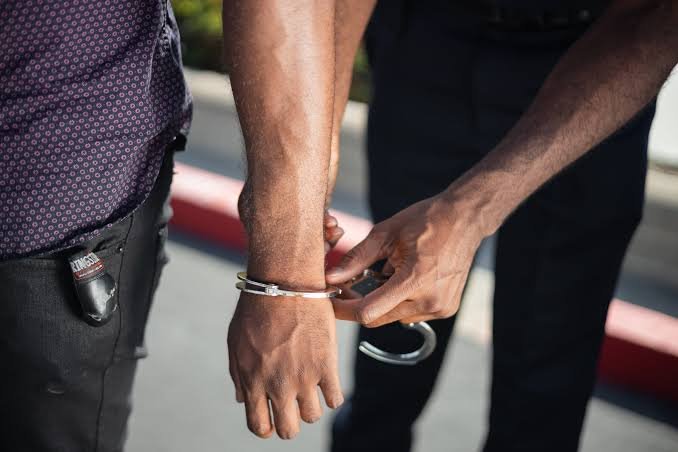
Florida law makes it a crime to drive or be in actual physical control of a vehicle while impaired by alcohol or drugs, or with a blood or breath alcohol level of 0.08 or higher. Penalties rise when the reading is 0.15 or above, when a minor is in the vehicle, or when the driver has prior convictions. A first conviction can bring fines, probation, community service, license revocation and a period of vehicle impoundment, and jail time is possible even on a first offense.
Resources from local practices such as Blake Poole Law outline the criminal process in Alachua County, and one point deserves attention right away. Every DUI arrest in Florida produces two separate cases. The criminal case proceeds in court, while the Department of Highway Safety and Motor Vehicles handles an administrative suspension of the driver’s license. A driver generally has only 10 days after the arrest to request a formal review hearing to challenge that suspension, and the deadline passes quietly for many people who are focused on the criminal charge.
The Refusal Question Changed in 2025
Florida’s implied consent law requires drivers who are lawfully arrested for DUI to submit to breath, urine or blood testing under certain conditions. Refusal has long carried an administrative license suspension, one year for a first refusal and 18 months for a second. A law known as Trenton’s Law, which took effect on October 1, 2025, raised the stakes further. A first refusal is now a second-degree misdemeanor, punishable by up to 60 days in jail and a fine, and a second or subsequent refusal remains a first-degree misdemeanor.
That change affects how DUI arrests after October 2025 are defended. The exact wording of the implied consent warning, the timing of the request and body camera footage from the stop can all shape the outcome of a refusal charge.
Evidence in DUI Cases
Most DUI prosecutions rest on a combination of the officer’s observations, field sobriety exercises and chemical test results. Each piece has known weaknesses. Field exercises are affected by footwear, weather, road surface and medical conditions. Breath testing instruments must be maintained and inspected under state rules, and the operator must hold a valid permit. Blood draws raise questions about who drew the sample, how it was stored and whether the chain of custody was documented properly.
A detailed look at how these issues play out locally appears at blakepoolelaw.com/gainesville-dui-dwi-defense-attorney, and the underlying principle applies statewide. Video from dashboard and body cameras has become central to many cases, since it can confirm or contradict what appears in the written arrest report.
Not every first DUI case ends in a trial or a conviction on the original charge. Some Florida state attorney’s offices offer diversion programs for first-time offenders who meet strict criteria, and plea negotiations sometimes resolve cases with reduced charges when the evidence has gaps. Availability varies by judicial circuit, so the rules in one county may not match those in the next.
When a Case Goes Federal
Federal jurisdiction arises when conduct violates a federal statute. Common examples include drug trafficking across state lines, fraud involving the mail or wire communications, firearms offenses, tax crimes and offenses on federal property. Gainesville falls within the Northern District of Florida, which has a division in the city, so federal cases from the area are often heard close to home.
Funny thing is, even a DUI can become a federal matter. When an arrest happens on federal land, such as a national forest or a Veterans Affairs medical center, federal prosecutors can charge the offense in federal court, often by borrowing state law under the Assimilative Crimes Act. Those cases are usually heard by a federal magistrate judge, and the process looks unfamiliar to anyone expecting a county courtroom.
How Federal Procedure Differs
Felony charges in federal court generally begin with a grand jury indictment. Federal investigations often run for months before any arrest, which means agents may have collected wiretaps, financial records and cooperating witness statements long before the defendant learns of the case. The Speedy Trial Act sets time limits for bringing a case to trial, though those limits are frequently extended through continuances when the discovery is voluminous.
Sentencing is the sharpest difference. Federal judges calculate a range under the United States Sentencing Guidelines, which are advisory but carry significant weight. The calculation turns on the offense conduct, including amounts of loss or drug quantity, and on the defendant’s criminal history. Federal prison terms also carry no parole. Good conduct credit can reduce a sentence, but most of the term is served.
Early Decisions That Shape Federal Cases
Here’s the kicker, though. Some of the most important choices in a federal case happen before charges are filed. A person who receives a target letter or a visit from federal agents may be asked for an interview on the spot, and statements made at that moment can become the center of the government’s case. Lying to a federal agent is itself a crime under 18 U.S.C. § 1001, even when the underlying investigation goes nowhere.
People in that position often look for counsel with experience in federal criminal defense before responding, because the options at that stage are broader than they will be after an indictment. Pre-charge negotiations, proffer agreements and decisions about cooperation all carry long-term consequences, and each has to be weighed against the evidence the government is likely to have.
Detention is another early issue. After a federal arrest, a judge decides at a detention hearing whether the defendant will be released pending trial and under what conditions. Family ties, employment, criminal history and the nature of the charge all factor into that decision, and preparation for the hearing can make the difference between waiting for trial at home and waiting in custody.
Collateral Consequences in Both Systems
Criminal cases reach beyond the courtroom. A DUI conviction can raise insurance rates for years, affect professional licenses and complicate travel to some countries. Federal felony convictions can bring the loss of voting and firearm rights, immigration consequences for noncitizens, and barriers to employment in regulated fields. University of Florida students and employees face an additional layer, since campus conduct processes can run alongside a criminal case.
A charge in either system starts a process with its own vocabulary, deadlines and pressure points. The ten-day window for a license hearing and the first conversation with a federal agent may look like small moments, but they often set the direction of everything that follows.



1 thought on “State DUI Charges and Federal Criminal Cases in Florida: Two Systems, Very Different Rules”