When an impaired driver causes a collision in Indiana, the crash usually produces two separate legal proceedings. The state files criminal charges for operating while intoxicated, and the people who were hurt pursue a civil claim for their losses. Both grow out of the same few seconds on the road, and both draw on many of the same reports, test results, and witness accounts. Yet they move on different timelines, use different standards of proof, and answer different questions.
People caught up in these situations, on the injured side and on the accused side alike, often assume the criminal case will settle everything. It rarely does. The outcome of one proceeding can influence the other, but each has its own rules, and the gap between them explains much of what happens in the months after an OWI crash.
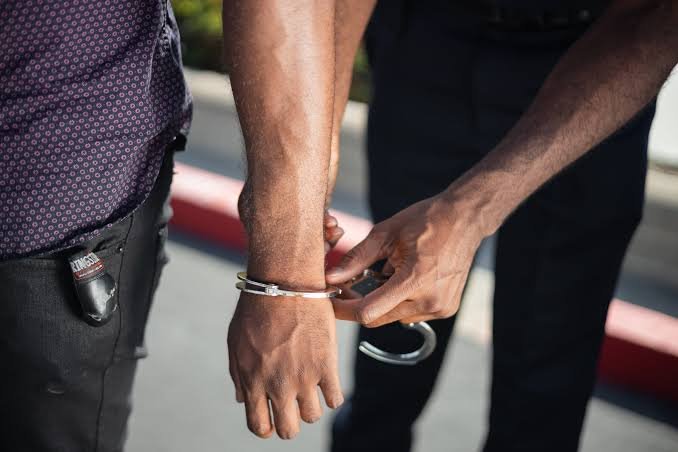
What Indiana Treats as Operating While Intoxicated
Indiana uses the term OWI instead of DUI, and the core offense appears in Indiana Code 9-30-5. A driver commits the offense by operating a vehicle with a blood alcohol concentration of 0.08 or more, or by operating while intoxicated to a degree that endangers others, regardless of the exact number. Commercial drivers face a lower 0.04 threshold, and drivers under 21 can face consequences at much lower levels. Practitioners at firms that handle both injury and criminal matters, Stracci Law Group among them, see these statutes from two angles, since the same chemical test result can matter in both kinds of case.
Indiana also has an implied consent law. By driving on Indiana roads, a motorist is treated as having agreed to a chemical test when an officer has probable cause. Refusing the test typically leads to a license suspension of at least one year for a first refusal, longer with prior convictions, and the refusal itself can be used as evidence. When a crash causes serious bodily injury or death, the OWI charge becomes a felony, with the level rising according to the severity of the harm and the driver’s history.
Why the Criminal Case Moves First
Criminal cases often set the pace in the early months. Prosecutors gather toxicology results, body camera footage, and crash reconstruction findings, and those materials tend to become available to the civil side later through discovery. Defense attorneys sometimes ask courts to pause a related civil lawsuit while criminal charges are pending, since a driver who testifies in a civil deposition may waive protections that matter in the criminal case. Judges weigh those requests on a case-by-case basis.
How the Civil Injury Claim Works
The civil claim rests on ordinary negligence principles. The injured person must show that the driver failed to use reasonable care and that the failure caused the injuries. Impaired driving makes that showing easier in many cases, and evidence of a statutory violation can be used to support negligence. Still, the civil case does not depend on a conviction. It uses the preponderance of the evidence standard, which asks whether something is more likely true than not, a far lower bar than proof beyond a reasonable doubt.
That difference produces some outcomes that surprise people. A driver can be acquitted of OWI, or have the charge reduced in a plea agreement, and still be found responsible for injuries in a civil case. On the other side, a guilty plea to an OWI charge can carry significant weight in the civil claim, since an admission made in criminal court is often difficult to walk back later. Anyone weighing these issues with a car accident lawyer in hammond or elsewhere in Lake County usually hears early on that the plea decision in the criminal case can ripple directly into the civil one.
Comparative Fault and Insurance Limits
Indiana follows a modified comparative fault system. An injured person can recover damages only if their share of fault is not greater than the combined fault of the other parties, and any recovery is reduced by their own percentage. In a crash involving an impaired driver, arguments about the injured person’s speed, lane position, or seat belt use still come up, though juries tend to view an intoxicated driver’s conduct harshly.
Insurance often sets the practical ceiling. Indiana requires minimum liability coverage of $25,000 per person and $50,000 per crash for bodily injury, along with $25,000 for property damage. Serious injuries can exceed those amounts quickly, which brings the injured person’s own underinsured motorist coverage into the picture. Indiana insurers must offer uninsured and underinsured coverage, and a policyholder who wants to decline it must do so in writing.
Punitive Damages and Dram Shop Claims
Here’s the kicker though. Impaired driving cases are one of the few areas of ordinary car crash litigation where punitive damages realistically enter the conversation. Indiana allows punitive damages when a defendant acted with malice, fraud, gross negligence, or oppressiveness, and the evidence must meet the clear and convincing standard. Indiana caps punitive awards at the greater of three times compensatory damages or $50,000. A distinctive feature of Indiana law sends most of any punitive award, 75 percent, to the state’s violent crime victims compensation fund, with the remainder going to the plaintiff.
Many auto policies exclude punitive damages from coverage or are interpreted that way, so a punitive award may need to be collected from the driver personally. That reality affects how attorneys on both sides value these claims.
When a Bar or Restaurant Shares Responsibility
Indiana’s dram shop statute allows a claim against a business or person that furnished alcohol, but the standard is narrow. The injured party must show that the provider had actual knowledge that the person was visibly intoxicated when alcohol was served, and that the intoxication was a proximate cause of the harm. Receipts, server testimony, surveillance video, and the timeline between the last drink and the crash all become relevant. These claims can add an important source of coverage when the driver’s own policy is small, though proving actual knowledge of visible intoxication is often the hardest part.
The Accused Driver’s Side of the Picture
The criminal process looks very different from the defense chair. A driver charged after an injury crash faces potential jail or prison time, license consequences, ignition interlock requirements, and restitution orders, all while a civil lawsuit may be building in parallel. Defense work in these cases often focuses on the reliability of chemical testing, the handling of blood samples, the basis for the traffic stop or crash investigation, and whether the charged level of offense matches the evidence. Readers looking at how those defenses are typically structured can find an overview at https://www.straccilaw.com/criminal-defense-owi-dui, which covers the criminal side of the process.
Speaking of restitution, a criminal court may order the convicted driver to repay certain out-of-pocket losses suffered by the victim. Restitution generally covers concrete expenses such as medical bills and lost earnings, and amounts paid through restitution are usually credited against any later civil judgment so the injured person is not compensated twice for the same loss.
Timing remains a constant concern on both sides. Indiana generally gives injured people two years from the date of the crash to file a personal injury lawsuit, and that deadline runs regardless of how long the criminal case takes. Waiting for the criminal case to finish before starting the civil claim can therefore be a costly mistake.
Where the Two Tracks Meet
The criminal court decides whether the state has proven a crime, and the civil court decides who pays for the damage. Neither answers the other’s question, though each borrows evidence from the other and each outcome can shape the next move on the opposite track. For everyone involved, the more useful way to think about an OWI crash is as a single event with two separate ledgers, one measured in penalties and the other in losses, each closing on its own schedule.