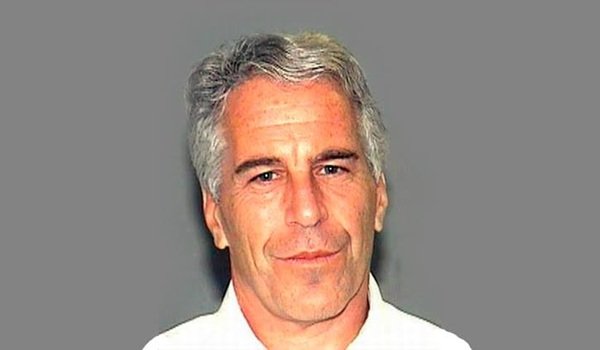
Wade Steven Wilson’s arrest and prison photographs became widely circulated during a Florida murder prosecution that ended with two first-degree murder convictions and death sentences. The images are sometimes grouped under the simple search term ‘Wade Wilson mugshot,’ but they come from different stages of the case. The relevant timeline begins with the October 2019 killings of Kristine Melton and Diane Ruiz in Cape Coral, continues through the 2024 jury verdict and sentencing, and extends into appellate review.
Wilson’s appearance and tattoos drew unusual attention on social media. Those visual details are not the basis for the conviction or the sentence. The facts that matter are the victims, the evidence evaluated by a jury and the sentencing decision announced by a Florida judge. A responsible account should not let photographs turn a double-homicide case into personality entertainment.

The 2019 killings
Florida prosecutors said Wilson killed Kristine Melton and Diane Ruiz in Cape Coral on October 7, 2019. Investigators described two separate episodes on the same day, followed by police work linking Wilson to the crimes. The State Attorney’s Office later released a formal summary of the conduct proven in the case.
The prosecution also involved additional offenses beyond homicide, including theft and burglary-related charges. Those counts formed part of the jury’s broader verdict, but the first-degree murder convictions supplied the basis for possible death sentences.
June 2024 jury verdict
On June 12, 2024, a Lee County jury found Wilson guilty of two counts of first-degree murder and additional crimes. The jury later heard aggravating and mitigating evidence in a penalty phase and recommended death. The recommendation was a formal step in capital sentencing rather than an immediate execution order.
The relatives of Melton and Ruiz have repeatedly emphasized that the case concerns the lives of two women who were killed. Their names and the adjudicated facts should remain central to any discussion of the criminal case.
Death sentences and prison intake image
On August 27, 2024, Judge Nick Thompson imposed two death sentences. The State Attorney’s Office confirmed the result the following day. A later photograph from a Florida correctional institution was reported as Wilson’s death row mugshot, distinct from earlier arrest images.
Prison intake photographs are generated after a defendant enters a correctional facility, often under entirely different circumstances from local jail processing. Captioning every image as a ‘2019 arrest mugshot’ would be misleading. The death row photograph reflects post-conviction custody.
The appellate process
Florida provides mandatory appellate review for death sentences. The Florida Supreme Court’s public docket identifies Wilson’s initial death-penalty appeal as an active matter, with filings continuing into 2026. The presence of an appeal is not a ruling that the judgment has been overturned.
Capital appeals may examine the trial record, sentencing and legal claims over a lengthy period. At the time of this article, a scheduled execution should not be invented based solely on a death sentence. An execution date requires a separate and verifiable legal action.
What mandatory review does—and does not—mean
Death sentences are subject to layers of judicial review because the punishment is irreversible. Florida’s system includes an initial review in the state Supreme Court, and later proceedings may involve additional legal claims. Wilson’s docket shows an appeal associated with the death sentences and activity continuing into 2026. That docket supports saying the judgment was under review; it does not justify speculating about the outcome or assigning an execution date. A request for legal review is not proof the conviction was wrongly obtained, just as an existing conviction does not eliminate the defendant’s procedural rights.
Images taken at the local jail and at a state correctional institution can also become confused in news summaries. One photograph may be associated with the initial arrest; another may be an intake image recorded after the death sentence. The dates and custodial agencies distinguish them. Such accuracy is especially important when public interest in Wilson’s appearance threatens to eclipse the identities of Kristine Melton and Diane Ruiz. A serious report gives readers the victims’ names, the jury’s verdict, the judge’s sentence and the appeal status before discussing the photographs that made the case prominent online.
Separating the case from online fascination
Wilson’s widely circulated photos attracted commentary that often ignored the victims and formal proceedings. The legal significance of the photographs is limited: they document identification and custody at particular moments. The conviction, two death sentences and pending appellate review are established by official court and prosecutor records, not by how the person appears in an image.