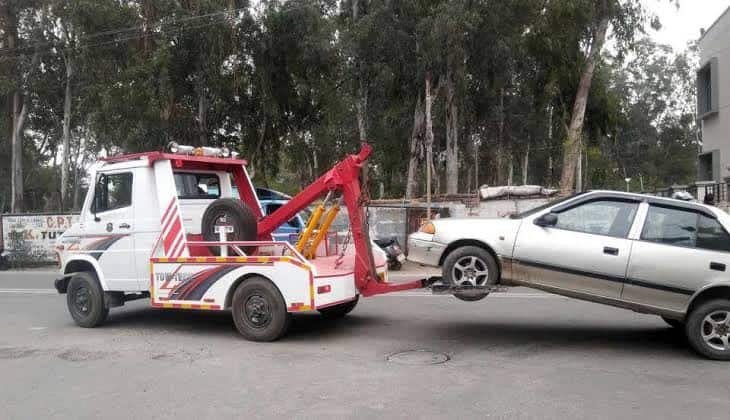
Modifying cars is popular among Indian enthusiasts – from widened wheel arches and lifted suspensions to engine swaps and sound systems. But car modification in India operates under a strict legal framework. The Supreme Court in January 2019 definitively ruled that no motor vehicle can be modified in a way that changes its structural features or manufacturer data from the original approved specifications. Understanding what is legal, what requires RTO approval, and what is absolutely prohibited can save you from costly fines and vehicle seizure.
The Legal Foundation: MVA Section 52 and Supreme Court 2019
Section 52 of the Motor Vehicles Act, 1988 prohibits any alteration to a vehicle that changes its structure or original specification without prior approval from the registration authority (RTO). Section 182A prescribes fines up to Rs 5,000 for first violations and up to Rs 10,000 for repeat violations. Section 53 empowers RTOs to cancel or suspend vehicle registration if a vehicle is found unsafe after modification.
In January 2019, the Supreme Court of India issued a landmark ruling making the law unambiguous: no motor vehicle can be modified or altered in such a way as to change the original specifications of the vehicle approved by the manufacturer and cleared by the testing agencies. This means chassis changes, engine swaps beyond specs, structural body modifications, and alteration of manufacturer data are all illegal, period, regardless of any RTO approval claimed.
What Is Absolutely Prohibited (No RTO Approval Possible)
Structural modifications: changing the chassis, modifying the vehicle frame, widening the body beyond manufacturer specs. Engine modifications: swapping to a different engine make/model beyond manufacturer’s stated options; ECU remapping beyond safe parameters without proper certification. Window tinting: applying after-market tint films to front and rear windshields (the complete ban on tint films is in force; only factory-tinted glass is permitted; the 70% and 50% visibility rules apply to the glass itself, not added films). Wheel modifications: fitting tyres significantly larger than manufacturer-approved sizes affecting wheel arch and suspension geometry. Roof bars and light bars: mounted above 1.5 metres height limit. Pressure horns and multi-tone air horns (sound over 100 dB). Coloured headlights (blue, red, green front-facing lights). Fake number plates or any alteration to licence plates. Military/camouflage coloured vehicles for private use. Any modification affecting ABS, airbags, or safety systems.
What Requires RTO Approval (Form 22C-22G-22E Process)
Colour change: application via Form 33 (for colour-specific) or the alteration process; RC and insurance must be updated with new colour. CNG kit installation: requires RTO inspection and RC endorsement; ARAI-certified CNG kits only. LPG kit installation: similarly requires RTO approval. Body kit additions: if they extend beyond original body dimensions, require structural assessment and RTO approval. Suspension modifications: changes affecting ride height, ground clearance, or wheel alignment require RTO assessment. Engine capacity upgrade within manufacturer’s approved range: requires ARAI certification and RTO update.
The approval process: Form 22C is submitted to RTO before modification; Form 22G is a compliance certificate from an authorised workshop/ARAI after modification; Form 22E is submitted to RTO to update the RC. Once approved, the RC must be updated within 14 days of completing the modification (fee approximately Rs 600). Insurance must be updated separately – always inform your insurer.
What Is Legal Without RTO Approval
Many cosmetic and non-structural modifications are legal without RTO approval as long as they do not alter registered specifications or compromise safety: alloy wheels within the manufacturer’s approved size and load rating; in-cabin entertainment systems (stereo, screens); seat cover changes; dashcams; genuine leather seat replacement (same seating capacity); steering wheel cover (not replacement of the steering wheel itself); floor mats; car perfume and organizers; ceramic coating and PPF (Paint Protection Film) which does not change colour; mild performance accessories that do not alter emissions or noise beyond legal limits; and legitimate accessories from the car’s manufacturer sold through authorised dealers.
Car Wrapping: Legal with Proper Process
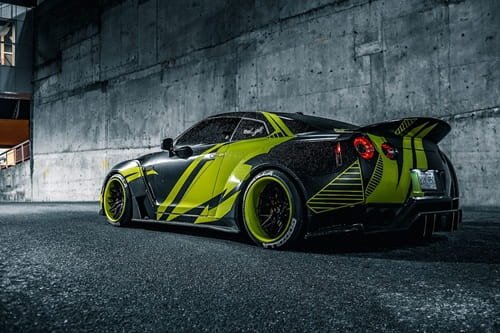
Car vinyl wrapping is legal in India but if it changes the colour of the vehicle, the process is the same as a paint-based colour change: get RTO approval (NAMV/Form 33), apply the wrap, get the RC updated with the new colour, and inform your insurer. Wraps that replicate the original colour (same shade, just with texture change like glossy to matte) are in a grey zone – some RTOs require notification while others do not. Chrome and highly reflective wraps may be restricted for causing glare. Camouflage and army-green wraps are prohibited for private vehicles. See Article 110 in this series for the complete car wrapping guide.
Final Thought
Car modification in India is a regulated activity, not a free-for-all. The 2019 Supreme Court ruling has created a strict legal framework: structural modifications are prohibited; cosmetic modifications require RTO approval if they change registered specs; and some modifications are simply illegal regardless of any process. The practical advice: stick to manufacturer-approved accessories whenever possible; get RTO pre-approval before any major modification; update your RC and inform your insurer after legal changes; and avoid modifications that affect structural integrity, safety systems, emissions, or noise. A modified car that fails a police check faces fines, RC suspension, and insurance claim rejection.
Frequently Asked Questions (FAQs)
Q1. Is it legal to install window tinting on my car?
No. All aftermarket window tint films are banned for private vehicles in India. The Supreme Court prohibited their use due to safety and security concerns. Only factory-tinted glass (tint built into the glass during manufacturing) is permitted. The factory glass must meet the VLT (Visible Light Transmission) standards: minimum 70% for front and rear windshields, minimum 50% for side windows. Police are empowered to remove illegal tint films and impose fines during vehicle checks.
Q2. Can I change the engine of my car to a more powerful one?
Typically no. Changing to an engine with different make, model, or specifications than what is listed in your RC is a structural modification prohibited under the Supreme Court 2019 ruling. You can replace a worn engine with the identical original specification engine (which is a repair, not a modification). Some manufacturers offer multiple engine options for the same model – you can theoretically switch between these manufacturer-approved variants with proper ARAI certification and RTO approval, but the process is complex and rarely undertaken.
Q3. Is fitting a CNG kit legal in India?
Yes. CNG kits from ARAI-certified manufacturers installed by authorised workshops are legal, but they require post-installation RTO inspection and RC endorsement. After installation, take your car to the RTO for inspection, pay the prescribed fee, and get the CNG endorsement added to your RC. Also update your insurance policy. Never use uncertified CNG kits as these violate both CMVR emission standards and Section 52 MVA. Most petrol cars in metro cities are converted to CNG legally using this process.
Q4. Can I fit a body kit (spoilers, side skirts, diffusers)?
Mild cosmetic body kits that do not exceed original body dimensions and do not affect structural integrity are in a grey area – technically they require RTO notification if they alter the vehicle’s registered appearance, but enforcement is selective. Body kits that extend significantly beyond original body width (affecting wheel arch dimensions and tyre exposure), alter ground clearance below legal minimums, or add aerodynamic elements that could create safety concerns for other road users should go through the RTO approval process. Check your insurer’s policy on body kit coverage.
Q5. What fines can I face for illegal car modifications?
Under Section 182A of the Motor Vehicles Act: up to Rs 5,000 for first violation; up to Rs 10,000 for repeat violations. For specific violations: illegal tinting: Rs 100-10,000 per state; illegal exhaust modifications (sound over 75 dB for cars): up to Rs 10,000; illegal pressure horn: up to Rs 10,000; structural modifications: Rs 5,000-10,000 plus potential RC suspension; and for serious safety violations, the vehicle can be seized pending correction. Beyond fines, undisclosed modifications can void your insurance claim and make the vehicle difficult to sell due to RC mismatch.