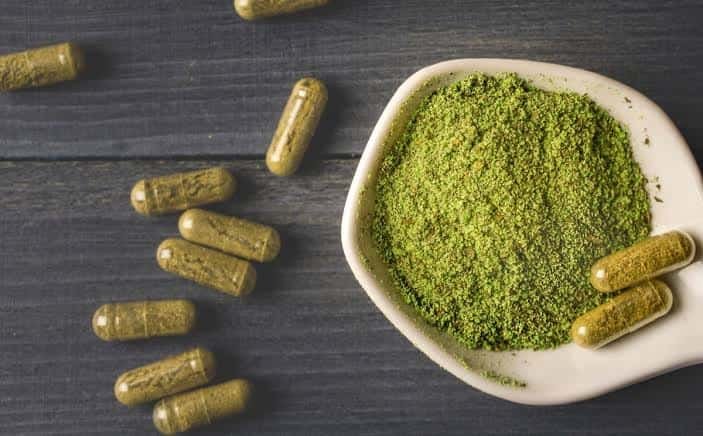
CBD (Cannabidiol) is a non-psychoactive compound found in the cannabis plant. Unlike THC (Tetrahydrocannabinol), CBD does not produce a high and has gained global attention for its potential therapeutic benefits — pain relief, anxiety management, improved sleep, and anti-inflammatory properties. In India, CBD oil occupies a complex but increasingly accessible legal space. Here is what the law actually says.

CBD Oil Is Legal in India — With Strict Conditions
Yes, CBD oil is legal in India, but only under specific conditions governed by the Narcotic Drugs and Psychotropic Substances (NDPS) Act, 1985, the Drugs and Cosmetics Act, 1940, and AYUSH guidelines.
The key conditions are: The CBD must be derived from hemp leaves and stalks — not from cannabis flowers or resin. The product must contain less than 0.3% THC by dry weight. The manufacturer must hold a valid licence, typically issued under AYUSH guidelines (as a proprietary Ayurvedic medicine). For oral CBD tinctures and oils intended for therapeutic use, a prescription from a registered medical practitioner is generally required.
How the NDPS Act Draws the Line
The NDPS Act of 1985 defines cannabis to include ganja (the flowering or fruiting tops of the plant) and charas (resin/hashish oil), both of which are strictly prohibited. However, the Act explicitly excludes the leaves and seeds of the cannabis plant from this definition when not accompanied by the tops.
This is the legal foundation for CBD oil in India: CBD derived from hemp leaves (not flowers or resin) falls outside the NDPS Act’s prohibition. Most legally compliant CBD products sold in India source their cannabidiol from hemp leaves, keeping them outside NDPS’s direct prohibition.
The 0.3% THC Threshold
The FSSAI (Food Safety and Standards Authority of India) notification of November 2021 specifically recognised CBD as the non-psychoactive component of cannabis and set standards for hemp food products. For any CBD product to be legal, it must contain less than 0.3% THC.
Products with higher THC content are classified as narcotic drugs under the NDPS Act and are strictly prohibited without a special government licence. Recreational use of any cannabis product with significant THC remains illegal and carries harsh penalties — small quantity possession (up to 1 kg of ganja): up to 1 year imprisonment; commercial quantities: 10-20 years imprisonment.
Topical vs. Oral CBD Products
Topical CBD products (creams, balms, oils applied to the skin) generally do not require a prescription and are more freely available. Oral CBD tinctures, capsules, and edibles for therapeutic use typically require a prescription from a registered physician, particularly Ayurvedic practitioners.
Advertising restrictions prohibit cannabis imagery or claims suggesting psychoactive properties on any CBD product packaging or marketing material.
Final Thought
CBD oil is legal in India for compliant products — hemp-derived, less than 0.3% THC, made by a licensed manufacturer, and used with medical supervision for oral products. The market is growing rapidly and increasingly regulated. If you buy CBD products, always check: the source (must be hemp leaves/stalks), the THC content (must be below 0.3%), and third-party lab reports confirming compliance. Customs routinely seize imported CBD products that do not comply with Indian standards.
Frequently Asked Questions (FAQs)
Q1. Do I need a prescription to buy CBD oil in India?
A: For topical CBD products (creams, balms), a prescription is generally not required. For oral CBD tinctures, capsules, or drops intended for therapeutic use, a prescription from a registered medical practitioner is recommended and often required by licensed sellers. Higher-strength formulations will almost always need a prescription.
Q2. Can I import CBD oil from abroad into India?
A: Customs routinely seize CBD shipments from abroad because imported products may not comply with Indian standards. Even if the product is legal in the country of origin, it may not meet FSSAI or AYUSH requirements for India. Some seizures result in criminal proceedings. It is strongly advisable to buy from licensed Indian brands.
Q3. What is the difference between CBD oil and hemp seed oil?
A: Hemp seed oil is extracted from hemp seeds and contains negligible CBD and no THC. It is widely available as a cooking and beauty ingredient and is entirely legal in India without any prescription. CBD oil is extracted from hemp leaves or stalks and contains cannabidiol. Both are legal when compliant with THC limits, but CBD oil has additional regulatory requirements.
Q4. Can I fly within India with CBD oil?
A: Travelling with CBD oil is legally risky in India. Airlines and airport security may not have clear guidelines on CBD products. Given the legal complexity, it is advisable to carry your purchase receipt, the product’s lab report confirming less than 0.3% THC, and a doctor’s prescription if available. Discretion is recommended.