Most front porches and walkways are what the law treats as an “implied license” area, meaning any visitor, a delivery driver, a salesperson, a trick-or-treater, is generally permitted to walk up, knock, and leave. A single doorbell ditch, done once, rarely crosses into criminal territory on its own, precisely because that walk to the door was technically permitted in the first place. This is why a one-off prank on a random house, with no fence, no posted signs, and no prior warning to stay away, usually results in nothing more than an annoyed homeowner rather than an actual charge.
What Actually Turns It Into Trespassing
The moment a fence, gate, “No Trespassing” sign, or an explicit prior warning from the homeowner enters the picture, the legal calculus changes entirely. Crossing a marked boundary or ignoring a direct request to stay off the property satisfies the basic elements of criminal trespass in nearly every state, and it doesn’t matter whether the visit lasted ten seconds or ten minutes. A prankster who’s already been told by a specific homeowner to leave their property alone, then comes back anyway, has handed a prosecutor a fairly clean trespassing case.
Why Repetition Is the Real Legal Trigger
This is genuinely the detail that separates a forgotten childhood memory from an actual court date. A single doorbell ditch looks like impulsive mischief. Doing it to the same house three, four, or five nights running looks like a deliberate pattern, and that pattern is exactly what prosecutors use to argue intent to harass or annoy. Courts consistently treat repetition as evidence of purpose; one ring-and-run is a joke, a week of them targeting one family is something a homeowner can reasonably report as a documented campaign against them.
How Harassment Charges Differ From a Simple Trespass
Trespassing and harassment often get charged together, but they’re not treated the same way at sentencing. Trespass tends to read as impulsive and low on the seriousness scale. Harassment, by contrast, signals to a judge that the person meant to cause distress rather than just acting foolishly in the moment, and that distinction genuinely affects outcomes. Someone convicted of harassment is statistically more likely to face real penalties, including jail time, than someone facing a standalone trespass charge for the exact same physical actions.
Why the Homeowner’s Circumstances Can Change Everything
Several states apply penalty enhancements when a victim is elderly, disabled, or has a documented condition like an anxiety disorder that makes the conduct especially frightening or harmful. If a prosecutor can show the doorbell ditching specifically targeted a vulnerable resident, whether or not the prankster knew about that vulnerability beforehand, the maximum available sentence can effectively double in states with these enhancement provisions. This is precisely why the “it’s just a harmless prank” defense tends to collapse quickly once a victim’s specific circumstances enter the courtroom.
Disorderly Conduct Covers the Noise and Timing Angle
Separate from trespassing and harassment, doorbell ditching can also trigger disorderly conduct charges, particularly when it happens late at night or disrupts an entire neighborhood rather than a single household. This charge focuses less on the property line crossed and more on the public disturbance created, meaning even pranksters who technically stayed within an area open to visitors can still face charges if their conduct becomes disruptive enough to draw noise complaints or repeated calls to police.
Why States Without a Specific “Ding Dong Ditch” Law Still Prosecute It
Texas offers a useful example of how this plays out in states with no law written specifically for this prank. There’s no statute in Texas that names doorbell ditching directly, yet authorities routinely fall back on the same three tools every other state uses: trespassing, harassment, and disorderly conduct. The absence of a prank-specific law doesn’t create a loophole; it just means prosecutors reach for general-purpose statutes that were already broad enough to cover the conduct in the first place.
How Age Genuinely Changes the Outcome
Most real-world enforcement stories involve teenagers rather than adults, and this matters practically even though the underlying laws technically apply to everyone equally. A first offense involving minors frequently ends with a verbal warning from responding officers rather than formal charges, especially when no property was damaged and no specific individual was repeatedly targeted. Adults engaging in the same conduct, particularly against the same household multiple times, tend to get less benefit of the doubt, since the assumption of youthful impulsiveness simply doesn’t apply the same way.
Why Parents Can End Up Legally Involved Too
In several jurisdictions, a parent who knowingly helped or encouraged a child’s doorbell ditching, say by driving them around the neighborhood specifically to carry it out, can face their own separate liability. This isn’t about ordinary parental oversight failures; it applies specifically when a parent actively facilitated the conduct rather than simply being unaware their child was out causing trouble.
What Happens If Property Actually Gets Damaged
Doorbell ditching that stays purely at “ring and run” rarely produces meaningful civil damages, since nothing was actually broken or destroyed. The picture changes considerably if the prank escalates, a slammed door, a tripped homeowner, damaged landscaping, or a broken doorbell camera, since property damage opens the door to a separate civil claim for compensation on top of whatever criminal charges apply, and courts calculate those damages based on the actual harm caused rather than the prank’s original intent.
FAQs
Q1. Can I actually get arrested for ding dong ditching just one house one time?
It’s unlikely for a single, isolated incident with no prior warning and no property damage, since most prosecutors and officers treat this as minor mischief rather than something worth formally charging.
Q2. Does it matter if the house I’m targeting has a “No Trespassing” sign posted?
Yes, significantly. A posted sign removes any ambiguity about whether you were permitted to approach the property, making a trespassing charge considerably easier to prove if the homeowner reports the incident.
Q3. If I’m doing this with friends and one of us gets caught, do we all face the same charges?
Potentially yes, since several states allow charges against everyone who knowingly participated in the same incident, not just whoever physically rang the doorbell or was caught first.
Q4. Can doorbell camera footage alone be enough evidence to bring charges against me?
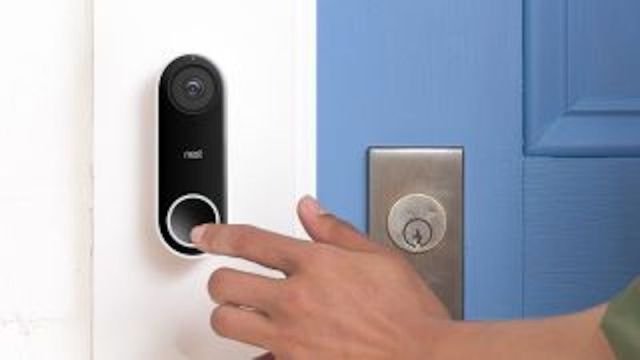
Yes, footage showing your face, a repeated pattern of visits to the same home, or clear evidence of trespassing onto marked or fenced property is often sufficient on its own for police to identify and question a suspect.