Going to Antarctica is legal for American travelers, and tens of thousands of tourists visit every single year without any legal trouble whatsoever. That said, Antarctica isn’t a normal destination in the traditional sense either; it’s genuinely regulated territory rather than an open free-for-all, and understanding the specific rules governing this regulation matters considerably before you book any kind of trip there.
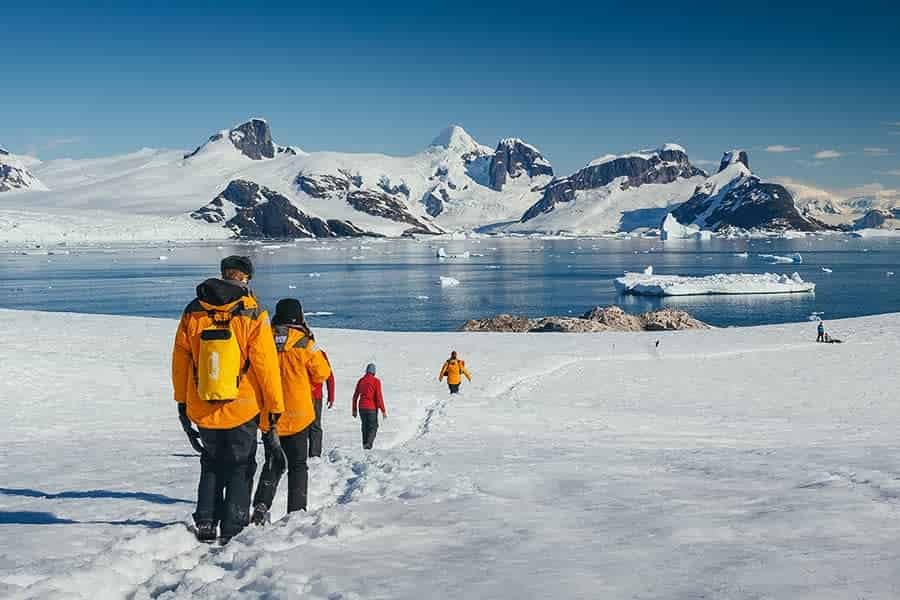
Why No Single Country Actually Owns Antarctica
Unlike literally every other continent, Antarctica has no single sovereign government controlling entry and exit. Instead, 54 nations have signed onto the Antarctic Treaty, an international agreement originally established in 1959 that sets shared rules governing all human activity across the continent. Rather than a foreign government enforcing entry requirements the way, say, France or Japan would, your own home country enforces the treaty’s obligations on you directly, regardless of where in the world you’re physically traveling from.
The US Law That Actually Applies Here
For American citizens specifically, the relevant domestic law is the Antarctic Conservation Act, passed by Congress in 1978 to implement the country’s broader treaty obligations. This law gives the federal government direct authority to regulate American activity in Antarctica and to impose real penalties for violations. Practically speaking, this means US citizens need proper authorization before certain kinds of Antarctic travel, and the National Science Foundation plays a central role in that authorization process for anyone organizing an expedition originating from the United States.
Why Most Tourists Never Personally Deal With Any of This Paperwork
Here’s the part that genuinely reassures most travelers once they understand it. If you’re booking a standard Antarctic cruise through a reputable tour operator, that operator handles essentially all of the treaty compliance and advance notification requirements on your behalf. The treaty specifically requires advance notification of all trips into the Antarctic Treaty area, which covers everywhere south of 60 degrees south latitude, including surrounding waters and islands. In the United States, expedition organizers submit this information directly to the State Department, which then shares it with a shared database accessible to every other treaty nation. For an ordinary tourist booking through an established company, this entire process happens behind the scenes, and you’ll typically never need to file anything yourself.
Why the International Association of Antarctica Tour Operators Matters
Most legitimate cruise operators running Antarctic trips belong to the International Association of Antarctica Tour Operators, commonly abbreviated as IAATO. This organization requires its member operators to follow strict environmental and safety protocols, and checking that your chosen operator holds current IAATO membership is genuinely one of the simplest ways to confirm you’re booking through a properly compliant company that’s already handling the treaty notification requirements correctly on your behalf.
Where Things Actually Get Legally Serious
The clear distinction that matters here is between traveling to Antarctica through proper, authorized channels versus attempting an unauthorized, independent expedition. Picture someone who owns a private sailboat docked in Ushuaia, Argentina, deciding to simply sail south into Antarctic waters without filing any advance notification or securing proper authorization. The moment that vessel crosses 60 degrees south latitude without going through the proper channels, the person operating it has violated the Antarctic Conservation Act, exposing themselves to real federal penalties, regardless of whether anything actually went wrong once they arrived.
What Penalties Actually Look Like
Violations of the Antarctic Conservation Act can result in significant financial penalties, with fines reaching up to $100,000, alongside potential jail time depending on the severity and nature of the violation involved. The Justice Department handles enforcement of these cases, and there have been documented instances resulting in genuine fines and criminal convictions for serious violations, particularly ones involving environmental harm or unauthorized activity that bypassed the treaty’s established notification and permitting framework entirely.
Why the Research Stations Aren’t Open to Tourists
The United States maintains three year-round research stations across Antarctica: McMurdo Station, the largest of the three, capable of housing up to 1,000 people during the busy summer research season; South Pole Station; and Palmer Station, which supports smaller dedicated research teams. These facilities are specifically built and staffed for scientific research purposes and are not open to regular tourists under any circumstances, regardless of how a visit might otherwise be arranged through standard tourism channels.
Vessel Size Restrictions Tourists Should Know About
Beyond the treaty notification requirements, there are practical rules specifically governing how tourism itself operates on the continent. Cruise ships carrying more than 500 passengers are prohibited from making actual shore landings and are restricted to cruise-only sailings around the coastline instead. This rule exists specifically to limit the environmental impact and physical disturbance that large groups of visitors could otherwise cause to Antarctica’s genuinely fragile ecosystems, meaning travelers hoping for an actual on-land experience should specifically look for smaller vessel operators.
How Most Americans Actually Get There in Practice
The overwhelming majority of American travelers reach Antarctica by first flying to Ushuaia, Argentina, widely considered the southernmost city in the world, and then crossing the Drake Passage by ship, a journey that typically takes about two days each way. A faster alternative involves flying directly from Punta Arenas, Chile, to King George Island, where travelers then board a ship for shorter peninsula cruises rather than crossing the entire open ocean passage. Both routes ultimately funnel through licensed tour operators who handle the underlying treaty compliance requirements as part of the standard booking process.
What Practical Requirements Actually Apply to Entry Countries
Since Antarctica itself has no visa requirements or standard immigration process, most of the practical entry paperwork travelers deal with actually relates to the transit countries used to reach the continent, not Antarctica directly. Since July 2025, Argentina has required all visitors to carry basic healthcare and emergency insurance, and proof of this coverage may be checked by your airline or at immigration, with entry potentially denied without it. Since 2022, no vaccination requirements have applied for entering Argentina, and Chile similarly lifted its remaining COVID-era travel restrictions back in 2023. Beyond these transit country requirements, a valid passport remains the primary document most travelers need to actually begin their journey south.
FAQs
Q1. Do I personally need to file any paperwork with the government before going on an Antarctic cruise?
Generally no, if you’re booking through a reputable, IAATO-member tour operator, since these companies handle the required advance notification and treaty compliance on your behalf as a standard part of organizing the expedition.
Q2. Can I sail my own private boat to Antarctica without going through a tour company?
Technically yes, but you would need to independently complete the required advance notification process yourself, and skipping this step before crossing into Antarctic treaty waters constitutes a genuine federal law violation with real financial and criminal penalties.
Q3. Is it possible to visit the US research stations like McMurdo as a tourist?
No, these facilities are dedicated to scientific research and are not open to regular tourist visits under any circumstances, regardless of how a standard Antarctic cruise or expedition might otherwise be arranged.
Q4. Does Antarctica require its own separate visa or vaccination for entry?
No, Antarctica itself has no visa or vaccination requirements, though the countries you transit through to reach it, commonly Argentina or Chile, may have their own separate entry requirements worth checking before you travel.