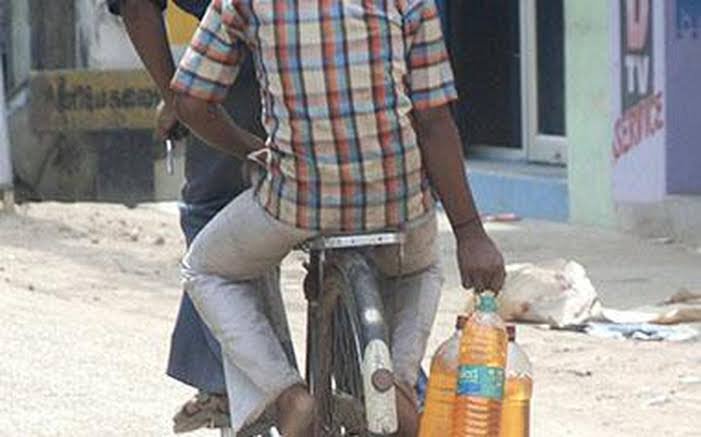
Selling petrol in plastic bottles is a common sight in India — at small roadside shops in rural areas, near accident-prone highways, and from informal vendors when someone runs out of fuel on a deserted road. The convenience it offers to stranded motorists notwithstanding, selling or delivering petrol in plastic bottles (or any unapproved container) is categorically illegal under the Petroleum Act, 1934. This prohibition exists for compelling reasons of public safety — petrol in an ordinary plastic bottle is a fire hazard, an explosion risk, and a tool that has been used in violent crimes including ‘petrol attacks.’ This article explains the law, the risks, and the correct approach.
The Petroleum Act, 1934 and Petroleum Rules, 2002
The Petroleum Act, 1934 (Act No. 30 of 1934) is the primary legislation regulating the production, storage, transport, and sale of petroleum products in India. The Act classifies petroleum by flash point: Petroleum Class A: flash point below 23°C (includes petrol/gasoline) — highest risk category; Petroleum Class B: flash point between 23°C and 65°C; Petroleum Class C: flash point above 65°C. Petrol (Class A) — which includes regular unleaded and premium petrol — is the most regulated category. The Petroleum Rules, 2002 (which updated the older 1976 Rules) specify exactly what containers may legally be used for Class A petroleum.
Legal containers for petroleum Class A: tinned, galvanised, or externally rust-proofed sheet iron or steel containers of approved type; glass bottles of capacity not exceeding 2.5 litres are specifically permitted only for laboratory chemicals classified as petroleum Class A — not for retail sale of fuel. The Rules further specify that petroleum can only be sold to a person holding a valid storage licence or to their authorised agents. Dispensing petrol at petrol stations only into the fuel tanks of vehicles and approved containers is the legal norm.
The Simple Rule: Plastic Bottles Are Completely Banned
There is no legal exception for plastic bottles of any type — PET bottles, polyethylene containers, water bottles, soft drink bottles — for petroleum storage or retail in India. Petrol reacts chemically with most plastics, causing the container to degrade, becoming brittle and potentially leaky. The vapour produced is highly flammable and can accumulate in enclosed spaces. A petrol-filled plastic bottle in a hot car interior can leak, vapourise, and create an explosive atmosphere. This is why the specific prohibition on plastic containers for petroleum exists — it is entirely safety-driven.
The Ministry of Petroleum and Natural Gas has confirmed through its Deputy Secretary that ‘as per the law, petrol stations should set up boards warning citizens of the ban on bottle sales.’ Police officers are empowered to take immediate action when reported. Petrol stations that violate this rule face: loss of their petroleum dealership/licence; immediate closure of the station; potential imprisonment for the owner and staff involved.
Why This Law Is Frequently Violated
The gap between the law and ground reality is significant. Many small petrol stations in rural areas, and some unregistered roadside vendors, continue to sell petrol in bottles — particularly to two-wheeler riders who have run out of fuel on lonely stretches. The reasons: customer demand in genuine emergencies; lack of awareness that it is illegal (both among sellers and buyers); and inconsistent enforcement, with police often taking a lenient view in rural areas unless there is a complaint. However, leniency in enforcement does not change the legal status: it is illegal.
The Public Safety and Security Dimension
Beyond accident risk, the petrol bottle ban is also a security measure. Petrol-filled bottles (Molotov cocktails) are a primary weapon in riots, communal violence, and personal attacks. Indian cities including Nagpur and Hyderabad have documented cases where petrol purchased in bottles was used in violent attacks. Police in Nagpur worked with the Vidarbha Petroleum Dealers’ Association (VPDA) to crack down on bottle petrol sales specifically because of documented connections to crime. One petrol station owner was criminally charged after petrol they sold in a bottle was used in an assault. When bottles of petrol show up at crime scenes, the petrol station that provided it becomes linked to the investigation.
What Can Motorists Do in Genuine Emergencies?
If your vehicle runs out of fuel on the road: call your roadside assistance service (many insurance policies include this) or a breakdown service like GoMechanic, MyTVS, or similar. The petrol station nearest to you is legally required to have an emergency fuel service; ask if they have an approved metal container (typically a 1-litre approved metal can) for emergency fuel delivery. Carrying an approved metal fuel container in your car for genuine emergencies is legal and sensible. These are sold at most automobile accessory shops and comply with the Petroleum Rules’ container specifications.
Final Thought
Selling petrol in plastic bottles or any unapproved container is illegal under the Petroleum Act, 1934. Penalties for petrol station owners: loss of petroleum dealership licence and potential imprisonment. For buyers: typically not penalised unless they use the petrol for illegal purposes. The prohibition is not bureaucratic red tape — it is a genuine safety measure that prevents accidents, fires, and violent crimes. In genuine emergencies, approved metal emergency fuel containers are the legal and safe alternative. Support the law by refusing to purchase bottle petrol and reporting violations to local police or petroleum authorities.
Frequently Asked Questions (FAQs)
Q1. Can I carry petrol in a metal container for my vehicle?
Yes. Approved metal containers (approved type by the Chief Controller of Explosives under the Petroleum Rules, 2002) can be used to carry small quantities of petrol for emergency or personal use. These are typically sealed metal cans of 1-5 litres sold at automotive accessory shops. The container must be: made of tinned, galvanised, or externally rust-proofed sheet iron or steel; of an approved type; properly sealed with a screw cap or equivalent; and used only for legitimate purposes. Always keep petrol containers in the boot of your car, away from the passenger cabin and any ignition sources.
Q2. What is the penalty for a petrol station that sells petrol in bottles?
For the petrol station owner/dealer: the petroleum dealership/retail licence can be revoked by the licensing authority (District Controller/Chief Controller of Explosives); the station can be closed; the owner and employees involved can be imprisoned under the Petroleum Act for violations of the Rules. The petrol station is also exposed to criminal liability if the petrol sold in a bottle is subsequently used in a violent crime. Police and petroleum authorities regularly conduct raids on stations reported to be selling bottle petrol.
Q3. I accidentally put petrol in a water bottle — is that illegal?
Transporting petrol in a water bottle (even inadvertently) creates an unsafe situation and technically violates the Petroleum Rules regardless of intent. The Rules specify container requirements for safety reasons — a plastic water bottle is not an approved container. If you need to carry emergency petrol, use an approved metal container. If you have petrol in a plastic bottle that you obtained in an emergency and need to dispose of it, contact your nearest petrol station for safe disposal — do not pour it down a drain or discard it in a bin where it can create fire or environmental hazard.
Q4. Can I buy petrol at a station for someone else’s vehicle using a bottle?
No. Petrol stations are prohibited from dispensing petroleum into unapproved containers regardless of the stated purpose. The station must dispense directly into the vehicle’s fuel tank or into an approved metal container. If you are collecting fuel for a stranded vehicle, the petrol station should ideally send a staff member with an approved emergency can to the stranded vehicle. Request this service rather than asking for bottle petrol.
Q5. Is diesel also prohibited from being sold in bottles?
Diesel (which has a higher flash point than petrol and is classified as Petroleum Class B or C depending on specification) is subject to the same Petroleum Rules container requirements. While diesel is less volatile than petrol, plastic containers are still not approved containers under the Petroleum Rules for any petroleum product sold in retail. The practical enforcement focus is primarily on petrol due to its higher flammability, but diesel in unapproved containers is technically also a violation of the Petroleum Rules.