A driver in a sedan who gets clipped at a light on Sunset Boulevard usually walks away with a damaged door and a sore neck. A motorcyclist or a pedestrian in the same collision often ends up in an ambulance. The physics are simple, and they explain why crashes involving people without a steel frame around them account for a large share of serious traffic injuries in Los Angeles County each year.
The legal side is less intuitive. Insurers handling these claims frequently argue that the rider or the walker contributed to the crash, and California law gives them room to make that argument without automatically defeating the claim. How fault is divided, and what evidence supports each version of events, tends to decide these cases far more than the severity of the injuries alone.
California’s Pure Comparative Fault Rule
California follows pure comparative negligence. An injured person’s recovery is reduced by their own percentage of fault, but it is never barred entirely, even if they are found mostly responsible. A pedestrian found 70 percent at fault for stepping into traffic could still recover the remaining 30 percent of their damages from a driver who was speeding. Few states take such a forgiving approach, and it changes how claims are negotiated.
In practice, the fight shifts from whether the injured person can recover at all to how large their share of fault should be. Someone looking for an accident attorney los angeles residents have used after this kind of crash will often find that the early work is spent on reconstructing the scene, because every percentage point of fault shifted to or away from the injured person translates directly into dollars.
The general filing deadline for personal injury lawsuits in California is two years from the date of the injury. Claims against a public entity, such as a city whose bus was involved or whose poorly maintained crosswalk contributed to a fall, usually require a formal government claim within six months. That shorter window catches many people off guard, since they may not realize a public agency is involved until well after the crash.
Motorcycle Crashes and the Lane Splitting Question
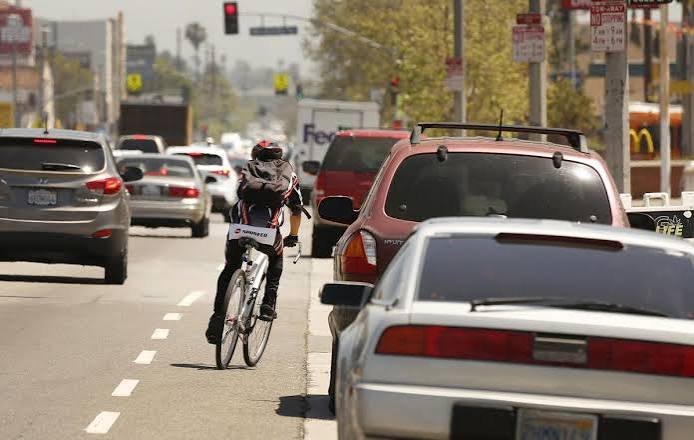
California is the state that formally recognized lane splitting in its Vehicle Code, and riders who move between lanes of slow or stopped traffic are not breaking the law by doing so. The statute does not set a speed limit for the practice, though safety guidance generally recommends that riders keep their speed close to that of surrounding traffic and avoid splitting at high speeds.
There’s a wrinkle, though. Lane splitting being legal does not stop insurers from arguing that the way a rider split lanes was careless. A motorcyclist who passed between cars at 15 miles per hour faster than traffic may be assigned some share of fault, even if the driver who changed lanes without signaling caused the actual impact. The specific facts of speed, spacing, and visibility matter much more than the general legality of the maneuver.
Helmets and Damages
California requires every motorcycle rider and passenger to wear a helmet that meets federal safety standards. A rider who was not wearing one may still bring a claim, but the defense can argue that the injuries, particularly head injuries, would have been less severe with a helmet. That argument goes to the amount of damages rather than to who caused the crash, and it usually requires medical testimony to support it.
The Bias Riders Often Face
Riders sometimes describe a quiet assumption, from adjusters and occasionally from jurors, that motorcyclists are reckless by nature. Practice pages that focus on these claims, such as https://losangelespersonalinjury.attorney/practice-areas/motorcycle-accidents, tend to address that perception directly, because it can influence settlement offers even when the evidence points squarely at the driver. Helmet camera footage, gear damage, and witness statements about the rider’s speed often do more to counter that bias than any argument about motorcyclists as a group.
Pedestrians and the Changing Rules on Crossing
Under California law, drivers must yield to pedestrians crossing within a marked crosswalk or within an unmarked crosswalk at an intersection. Many people do not realize that an unmarked crosswalk exists at most intersections even without painted lines. A driver who turns right on a red light and strikes someone crossing at a corner without stripes may still have violated the right of way.
California also changed its approach to crossing outside crosswalks a few years ago. Under the Freedom to Walk Act, officers generally may not stop pedestrians for crossing mid-block or against a signal unless there is an immediate danger of a collision. That change affects citations, but it does not eliminate comparative fault in a civil case. A pedestrian who stepped out between parked cars at night may still be assigned some responsibility, even though no ticket would be issued.
Evidence in Pedestrian Cases
Pedestrian crashes often have fewer independent witnesses than collisions between vehicles, and the injured person may not remember the moments before impact. Surveillance cameras from nearby businesses, Ring doorbells, and traffic cameras can fill those gaps, but footage is often overwritten within days or weeks. Lighting conditions, the driver’s phone records, and the location of debris on the road can also help establish where the pedestrian was and how fast the vehicle was traveling.
Speaking of what the evidence shows, the injuries themselves sometimes tell part of the story. The height of fractures on the legs can indicate whether a car was braking at impact, since a braking vehicle tends to dip at the front. Families working with a pedestrian injury attorney los angeles hospitals and trauma centers see every week are sometimes surprised that medical records become part of the accident reconstruction, but they often provide details no witness could.
What Recovery Often Looks Like
Motorcycle and pedestrian injuries often involve longer recoveries than typical car crash claims. Fractures, road rash requiring skin grafts, and traumatic brain injuries can require months of treatment and sometimes permanent changes to work and daily life. California allows recovery for both economic losses, such as medical bills and lost income, and non-economic losses, such as pain and loss of enjoyment of life, without a general cap in ordinary negligence cases.
Insurance limits frequently become the practical ceiling. A driver carrying only the state minimum policy may not have nearly enough coverage for a serious injury, and the injured person’s own uninsured or underinsured motorist coverage may become the next source of recovery. Pedestrians who own a car are often covered by their own underinsured motorist policy even when they were on foot, which is a detail many people never think to check.
Another piece that shapes the final number is reimbursement. Health insurers, Medi-Cal, and hospitals that treated the injured person without upfront payment may assert liens against any settlement, and those claims have to be resolved before the injured person receives the balance. Lien amounts can sometimes be negotiated down, particularly when the available insurance is limited, so the gross settlement figure and the amount that actually reaches the injured person can be quite different.
A City Built Around the Car
Los Angeles has spent years adding bike lanes, leading pedestrian intervals, and other measures intended to make its streets safer for people outside of vehicles. Those changes help, but most of the region’s roads were still designed with drivers as the primary users, and the people who walk or ride through them carry more of the risk. When a crash does happen, the claim usually rests on careful attention to small facts, the kind that show how the road, the light, and each person’s choices came together in a few seconds that will matter to the injured person for much longer.