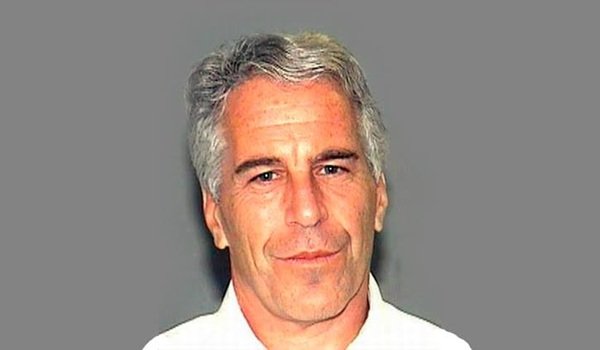
Sandra Bland’s 2015 booking photograph became the focus of widespread concern after the 28-year-old Texas woman was found dead in a Waller County jail cell three days after a controversial traffic-stop arrest. Online speculation suggested the original mugshot was taken after her death. County officials responded by releasing jail footage showing Bland alive during the booking process, including video of the photograph being taken. The verified sequence is important both to correct that specific false claim and to address the separate, serious questions about her arrest and treatment in custody.
Bland’s death became a prominent case in national discussions of traffic enforcement, racial inequality and jail oversight. A responsible article does not dismiss those larger concerns merely because an unsupported rumor about the mugshot was contradicted. The booking evidence, the official ruling on her death and the later civil settlement are distinct parts of the history.

The July 10 traffic stop
Texas Department of Public Safety Trooper Brian Encinia stopped Bland on July 10, 2015, near Prairie View A&M University, initially concerning a lane-change signal. The encounter escalated after a disagreement, and Encinia ordered her out of her car. Video recorded the trooper threatening to use a Taser. Bland was arrested on an allegation of assaulting a public servant.
The circumstances of the stop drew widespread criticism, particularly after additional recordings became public. The video record provided a basis for examining the trooper’s statements and conduct beyond what appeared in the initial police report.
Death in Waller County Jail
Bland was found dead in her cell on July 13, three days after the stop. The medical examiner ruled her death a suicide by hanging. Her family and advocates questioned official procedures and whether authorities had adequately protected her in custody.
A ruling about the manner of death does not mean every decision made during the arrest and detention was proper. Separate inquiries considered law-enforcement conduct, jail procedures and possible civil liability.
The original mugshot controversy
The image of Bland in jail clothing led some social-media users to speculate that she was lying down or was already dead when photographed. In July 2015, Waller County released jail surveillance footage and other recordings showing Bland moving and speaking during processing. Officials used the material to demonstrate that the photograph had been taken while she was alive.
It is appropriate to state that this particular allegation about the image was contradicted by the released footage. It is not appropriate to treat its correction as proof that all aspects of the arrest or jail conditions were beyond criticism.
Officer proceedings and civil settlement
Encinia was subsequently indicted on a perjury-related charge concerning his account of the traffic stop. That charge was dismissed in 2017 under an arrangement in which he gave up his law-enforcement credentials and agreed not to work as a police officer again. He was also dismissed from the Texas Department of Public Safety.
Bland’s family reached a reported $1.9 million civil settlement in 2016 with Waller County and the Texas Department of Public Safety, accompanied by jail-related policy changes. A civil settlement should not be mislabeled as a criminal conviction of jail staff.
What the recordings clarified and what they did not
Officials released jail surveillance in July 2015 because an online claim about Bland’s booking photograph had gained traction. The footage showed her alive during processing, undermining the claim that the photograph had been made after death. It was a narrow but important factual correction. The video did not settle whether the initial stop had been escalated unnecessarily, whether jail staff followed appropriate procedures, or how systemic weaknesses contributed to the public controversy. Each of those issues requires its own evidence and legal analysis.
Later recordings helped sharpen scrutiny of the traffic stop. Bland’s cellphone video, publicized years after the incident, captured part of the encounter from inside her vehicle and added to the existing dash-camera record. The trooper’s perjury charge was eventually dismissed under an agreement that removed him from future law-enforcement work. Her family’s civil settlement included compensation and policy-related commitments, but did not produce a criminal conviction connected with the jail death. A historically accurate article can acknowledge the official suicide ruling, identify the disputed conduct during detention and refute the mugshot rumor without pretending those points answer every question.
Why the image still matters
The mugshot is part of a larger documentary record that includes dash-camera video, Bland’s own cellphone footage, jail surveillance and court records. Each source answers a different question. The photo’s provenance can be confirmed without trivializing the controversy surrounding her death. The lasting public-interest issue is accurate scrutiny of police and custodial decisions rather than sensational speculation about a single image.