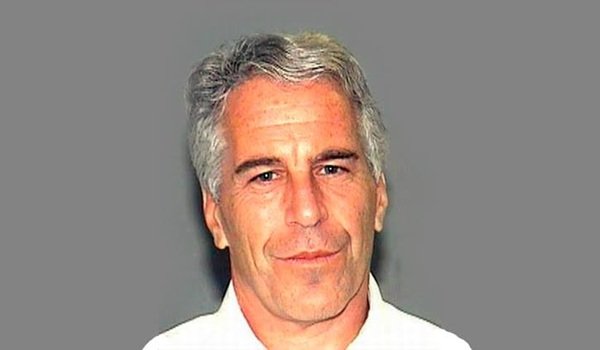
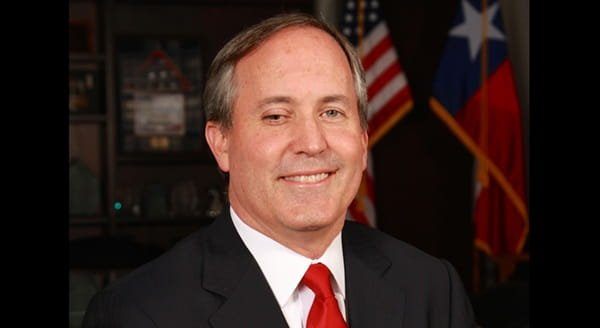
Ken Paxton’s 2015 booking photograph became one of the most recognizable images of the securities fraud case that followed him through much of his tenure as Texas attorney general. The picture was taken when he surrendered for booking in Collin County after a grand jury indictment. But the prosecution’s later history is essential to any article about the mugshot: prosecutors agreed to resolve the charges through a pretrial arrangement in 2024, and the remaining state felony counts were formally dismissed in June 2025 after Paxton completed the required conditions.
It would therefore be inaccurate to describe the old photo as proof of a felony conviction. Paxton denied wrongdoing, and the criminal case ended without a trial verdict or an admission of guilt under the reported resolution. His photograph documents the 2015 arrest, while the 2025 court action establishes how that prosecution concluded.
The indictment and surrender
A Collin County grand jury indicted Paxton in July 2015 on two counts of securities fraud and a count relating to failure to register as a securities professional. Prosecutors alleged that he failed to make proper disclosures when encouraging investors to buy shares in Servergy, a technology company. Paxton challenged the allegations and maintained that they were unfounded.
On August 3, 2015, Paxton voluntarily appeared for booking at the Collin County jail. News organizations obtained the official mugshot and reported his prompt release on bond. The photograph appeared while he was serving as Texas’s attorney general, which made the booking unusually politically visible.
Why the case continued for years
The litigation involved disputes about venue, procedure and the conduct alleged by prosecutors. Separately, the U.S. Securities and Exchange Commission pursued civil allegations concerning disclosures connected with the same business relationships. The SEC case was dismissed in 2017.
The state criminal charges remained pending much longer. An indictment permits prosecution after a grand jury finds sufficient grounds to charge; it is not a judgment of guilt. The passage of years without trial should not be described as either a conviction or a complete vindication unless the formal court result supports that claim.
The 2024 pretrial agreement
In March 2024, Paxton agreed to perform community service, complete legal ethics education and pay restitution in exchange for prosecutors’ agreement to seek dismissal after the requirements were satisfied. The arrangement did not require him to plead guilty or admit wrongdoing.
The distinction between an agreement promising future dismissal and an order that actually dismisses the charges is important. For part of 2024 and 2025, the case remained in a conditional resolution stage while completion of the terms was assessed.
Formal dismissal in June 2025
On June 18, 2025, prosecutors announced that Paxton had met the arrangement’s conditions, and the three state felony counts were dismissed. Reporting identified approximately $271,000 in restitution, more than 100 hours of community service and legal ethics training.
The dismissal closed the long-running state securities prosecution without a felony conviction. It did not retroactively mean that no indictment or booking occurred. The historic photograph remains authentic, but any current account should identify the charges as dismissed rather than still pending.
The difference between federal civil and state criminal allegations
Paxton faced multiple legal tracks relating to securities disclosures. The U.S. Securities and Exchange Commission’s civil case and the Texas state criminal indictments were not the same action, even though they involved overlapping business relationships. The federal SEC case ended in 2017, while the state criminal case continued until the June 2025 dismissal. Civil enforcement addresses statutory obligations under a different legal framework from a felony prosecution. It would mislead readers to say that dismissal of the SEC case automatically ended the Texas indictment years before it actually did.
The final state arrangement also matters for terminology. Paxton agreed to restitution, community service and legal education without pleading guilty, and prosecutors then dismissed the counts after verifying compliance. It was neither a jury acquittal nor a felony conviction. The old photograph remains authentic because the 2015 booking did happen, but its ongoing circulation should not imply that charges remain active. A current article ought to carry the court outcome in the headline or the opening paragraphs, since a mugshot without context can leave a lasting false impression about a person’s present legal status.
Why the photograph still circulates
Images often outlive the legal status they originally illustrated. Paxton’s booking photograph may appear beside political commentary or newer investigations unrelated to the 2015 securities case. A reliable caption should identify Collin County, August 2015, and the fraud-related indictment, then explain that the charges were dismissed in 2025. Photographs by themselves cannot establish a final court outcome.