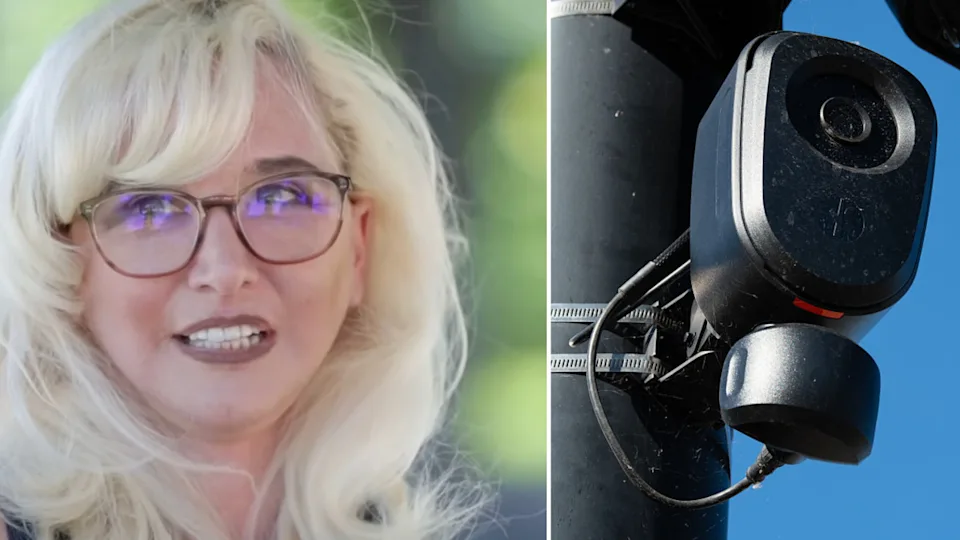
Colorado resident Chrisanna Elser filed a federal lawsuit in October 2026 after police cited her for a $25 package theft that she says she did not commit. The citation was later voided, but Elser argues that the investigation relied on flawed use of automated license plate reader data from Flock Safety cameras and intruded on her privacy. Her lawsuit names the company, two Colorado towns and local police officials. The case concerns allegations in a civil complaint, not an established judicial finding that every defendant violated the law.
What happened in the original package theft case?
A package disappeared from the porch of a home in Bow Mar, a small Colorado municipality, in September 2025. Investigators reviewed Flock Safety camera information and associated a vehicle traveling in the area with the suspected theft. On September 27, 2025, a Columbine Valley police officer went to Elser’s home and issued a criminal summons for theft. Elser disputed the accusation and said she had evidence showing her movements did not match the alleged offense. The underlying criminal citation was ultimately voided.
How were Flock Safety cameras involved?
Flock Safety provides cameras and software used by law-enforcement agencies and other customers to read license plates and track vehicle movements across locations. Such systems can help officers locate a particular vehicle, but the appearance of a car near a place does not by itself identify who committed a crime. In Elser’s case, her lawsuit challenges how investigators interpreted vehicle-location information and relied on it to connect her to a porch theft. That distinction between a database hit and proof of individual wrongdoing is central to the dispute.
What evidence did Elser say supported her innocence?
Elser said that her own location data and other records showed she was not the person who stole the package. Her attorneys argued that officers failed to adequately verify the information before issuing the citation. Reporting by ABC News and local Colorado outlets described doorbell footage of the officer’s visit and Elser’s efforts to contest the allegation. While the voided citation supports the fact that the theft case did not proceed against her, the separate civil complaint asks a court to decide what errors occurred and who is legally responsible.
When was the federal lawsuit filed?
Elser filed the lawsuit in the U.S. District Court for the District of Colorado in early October 2026. The defendants named in reporting include Flock Safety, the towns of Bow Mar and Columbine Valley, Columbine Valley police Sgt. Jamie Milliman and Police Chief Bret Cottrell. News coverage described claims involving unlawful search, invasion of privacy, negligence and civil-rights violations. The lawsuit also sought class-action treatment concerning the collection and use of license plate data. A request to proceed as a class action is not the same as a court having certified a class.
Why does she allege a privacy violation?
Elser’s lawyers argue that repeated camera scans can create records of where a vehicle travels over time. The privacy concern goes beyond a single theft investigation: the collected records may permit agencies to reconstruct movements even when a person is not suspected of wrongdoing. Whether the collection or searching of those records violated the Fourth Amendment or other law depends on the facts, applicable precedents and legal authority for the searches. The case asks a court to assess those questions; the allegations do not themselves settle them.
Is Flock Safety accused of committing the theft?
No. The package theft was the event that triggered the police inquiry. Flock Safety is a defendant in the ensuing civil litigation because of the alleged role of its surveillance technology and data practices. Confusing those two matters would distort the case. The lawsuit is about the investigation, the resulting citation, privacy and responsibility for alleged harm, not an accusation that the camera company stole a package.
What harm does Elser say she experienced?
In interviews with CBS Colorado, Elser described ongoing anxiety about being watched or wrongly interpreted when she appears near surveillance cameras. Her complaint seeks legal remedies for the consequences of the citation and alleged invasion of privacy. A plaintiff may seek compensation and court orders in a civil case, but entitlement to relief requires proof of legally recognized claims. Neither a personal account nor an initial complaint is a final judgment on damages.
What can this case mean for other drivers?
Automated plate readers are increasingly used to locate stolen cars, investigate crimes and identify vehicles of interest. Their value depends on appropriate safeguards, including correct data matching, independent confirmation and limits on retention and access. Elser’s lawsuit raises questions about whether those safeguards were observed in this instance. A car’s presence near a location is only one investigative clue; it should not replace evidence linking a particular person to a specific act.
What is the case’s status?
As of November 7, 2026, the publicly verified development was the filing of Elser’s federal lawsuit after the theft citation was voided. No final ruling on liability or class certification was established in the reviewed reports. A precise account should distinguish the withdrawn criminal allegation against Elser from her ongoing civil accusations against the technology provider and public officials.