A U.S. visa does not automatically give someone the right to live in the United States for as long as the visa remains valid. In most situations, a visa is primarily a travel document that allows a foreign national to travel to a U.S. port of entry and request admission for a particular purpose. After arrival, immigration officials determine whether the traveler can enter and, for many temporary visitors, how long that person may remain.
This distinction between visa validity and authorized stay is one of the most important parts of understanding the U.S. visa system. A visitor can sometimes have a visa that remains valid for years while being admitted for only a limited period on each trip. Other visas are connected to employment, study, family immigration, or permanent residence.
What Is a U.S. Visa?
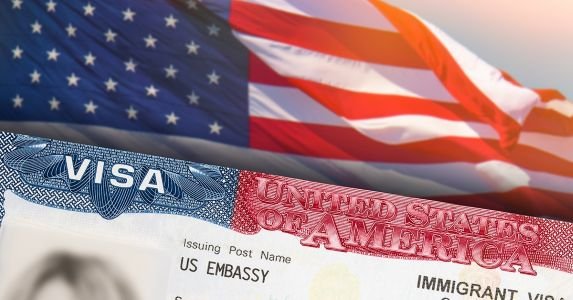
A U.S. visa is generally placed in a foreign national’s passport and indicates that the person has been found eligible to travel to a U.S. port of entry under a particular visa classification.
Most visas fall into two broad groups: nonimmigrant visas and immigrant visas.
Nonimmigrant visas are generally intended for temporary travel. Depending on the classification, the purpose might be tourism, business, study, temporary employment, or another authorized activity.
Immigrant visas are intended for people seeking admission to the United States as lawful permanent residents.
The application procedures and eligibility requirements differ significantly between these two categories.
How Do Nonimmigrant Visas Work?
A nonimmigrant visa is used for a temporary purpose.
Common examples include visitor visas for business or tourism, student visas, and several categories of temporary employment visas.
Each classification has specific rules.
A tourist generally cannot use a visitor visa as though it were an unrestricted employment permit. Similarly, a student admitted in a student classification must follow requirements associated with that status, including restrictions concerning employment.
Applicants must therefore select a visa category that matches the actual purpose of their trip.
Using a visa for a purpose inconsistent with its classification can create immigration problems.
How Do Immigrant Visas Work?
Immigrant visas are part of the process through which qualifying foreign nationals can become lawful permanent residents.
Many immigrant cases are based on family relationships or employment. Other categories also exist.
The process often begins with a qualifying petition filed on behalf of the intending immigrant, although procedures differ by category.
Some immigrant visa categories are numerically limited. When demand exceeds the number of visas available, applicants may have to wait until a visa number becomes available based on the applicable preference category and priority date.
After completing the required process and receiving an immigrant visa, the individual can generally seek admission to the United States as a permanent resident.
How Do You Apply for a U.S. Visa?
The process depends on the visa category.
For many nonimmigrant visas, applicants complete the appropriate online application, pay required fees, provide supporting information, and attend an interview at a U.S. embassy or consulate when required.
The consular officer evaluates whether the applicant satisfies the requirements for the requested classification and whether any legal ground of inadmissibility applies.
Supporting documents vary considerably.
A tourist applicant may need information relevant to the temporary purpose of the trip, while an employment-based applicant may have documentation involving a U.S. employer and an approved petition when required.
Providing accurate information is essential. Material misrepresentations can have serious immigration consequences.
Does Getting a Visa Guarantee Entry Into the United States?
No.
Receiving a visa generally allows the person to travel to a U.S. port of entry and request admission.
At the airport, land border, or other authorized port, U.S. Customs and Border Protection determines whether the traveler is admissible and whether the requested classification is appropriate.
An officer may ask questions concerning the purpose and expected duration of the visit.
If admitted, the traveler enters under a particular immigration status.
This means visa issuance and admission are separate stages of the immigration process.
How Long Can You Stay in the U.S. on a Visa?
The expiration date printed on a visa should not automatically be treated as the deadline for leaving the United States.
For many nonimmigrants, the authorized period of stay is determined when they are admitted and recorded in their immigration admission information, commonly associated with Form I-94.
For example, a visitor could hold a multiple-entry visa that remains valid beyond the authorized period granted for one particular trip.
The person generally must follow the authorized stay for that admission rather than assuming the visa’s expiration date controls how long they may remain.
Some classifications, particularly certain student statuses, can use different duration rules.
What Does “Multiple Entry” Mean?
A multiple-entry visa can generally be used to seek admission more than once while the visa remains valid, provided the traveler continues to satisfy the applicable requirements.
It does not guarantee admission on every trip.
Each time the person travels to the United States, immigration officials can determine whether the traveler is admissible and whether the planned activity is consistent with the visa.
Frequent or lengthy visits can also raise questions if a travel pattern appears inconsistent with a genuinely temporary classification.
Can You Work in the U.S. With a Visa?
It depends entirely on the visa classification and other applicable authorization.
Some visas are specifically connected to temporary employment. Certain classifications may restrict the person to work for a particular employer or under specified conditions.
Other classifications generally do not authorize ordinary employment.
A visitor traveling for tourism, for example, should not assume that possessing a valid visa allows employment.
Students can also face specific restrictions on when, where, and under what authorization they may work.
Employment authorization should therefore be confirmed based on immigration status rather than simply whether the person possesses a visa.
Can You Extend Your Stay?
Some nonimmigrants may be eligible to request an extension of stay or change to another immigration status while inside the United States.
Eligibility depends on the current classification, immigration history, timing, and requested status.
An application should generally be made before the existing authorized stay expires when required.
Approval is not automatic.
Certain travelers or visa classifications may also be subject to restrictions that prevent or limit extensions or changes of status.
Traveling outside the United States while an application is pending can sometimes affect the process as well.
What Happens If You Overstay a Visa?
An overstay generally occurs when someone remains in the United States beyond the period they were authorized to stay, rather than simply when the visa stamp expires.
Overstaying can create serious immigration consequences.
Depending on the circumstances and length of unlawful presence, leaving the United States can potentially trigger restrictions on returning for a specified period.
An overstay can also affect future visa applications or immigration benefits.
However, unlawful presence rules contain important exceptions and technical requirements, including different treatment in some situations involving minors or certain pending applications.
Individual circumstances matter greatly.
Can a Visa Be Canceled or Revoked?
Yes.
A visa can potentially be revoked or canceled under U.S. immigration law.
Additionally, a person who violates the conditions of their immigration status can face consequences even if the visa printed in the passport has not yet reached its expiration date.
A visa also does not guarantee that a traveler will continue to qualify for admission after circumstances change.
This is another reason visa validity should not be confused with immigration status inside the United States.
What Happens When a Visa Expires While You Are in the U.S.?
In some situations, a visa can expire while the person is lawfully present in the United States without requiring immediate departure solely because the visa stamp expired.
The key question is whether the person continues to maintain authorized immigration status.
However, after leaving the United States, the individual may need a new valid visa before returning, unless an exception applies.
Travel and status should therefore be considered separately.
FAQs
Q1. Does a U.S. visa guarantee entry into the United States?
A: No. A visa generally permits travel to a U.S. port of entry, where immigration officials make the admission decision.
Q2. Is the visa expiration date the date I must leave the U.S.?
A: Not necessarily. For many temporary visitors, the authorized stay is determined by their admission record rather than the expiration date printed on the visa.
Q3. Can I work in the U.S. with any visa?
A: No. Employment authorization depends on the particular immigration classification and applicable rules. Many temporary visitor visas do not authorize ordinary employment.
Q4. Can I extend my U.S. visa while inside the country?
A: A visa and immigration status are different. Some people may apply to extend their authorized stay while in the United States, but obtaining a new visa stamp generally involves a separate process.
Q5. What happens if I stay longer than authorized?
A: An overstay can affect immigration status and future U.S. travel. Depending on the circumstances and length of unlawful presence, additional immigration penalties may apply.