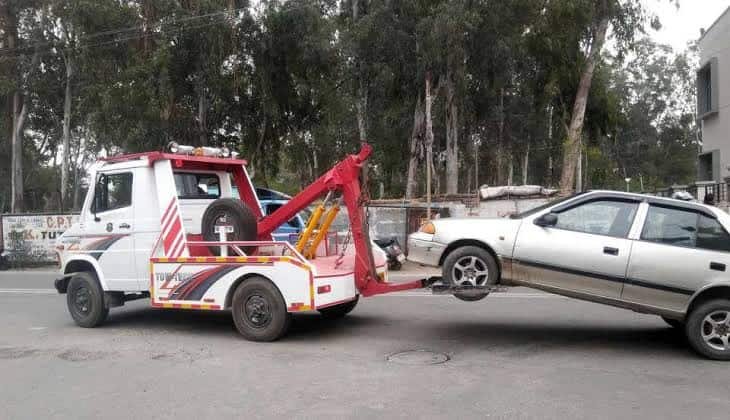
Car stickers in India occupy a complex legal space. Every Indian road features cars bearing family names, caste markers, political slogans, religious symbols, ‘My Kid is an IIT Student’ declarations, doctor/advocate/press identifiers, and creative artistic decals. Yet Indian law, under a strict reading, is quite restrictive about stickers on vehicles. The Motor Vehicles Act, 1988 and the Central Motor Vehicle Rules (CMVR), 1989 contain provisions that technically make most stickers illegal — but enforcement is highly selective and inconsistent. Understanding what is clearly prohibited, what is tolerated, and what the law actually says is essential for every car owner.
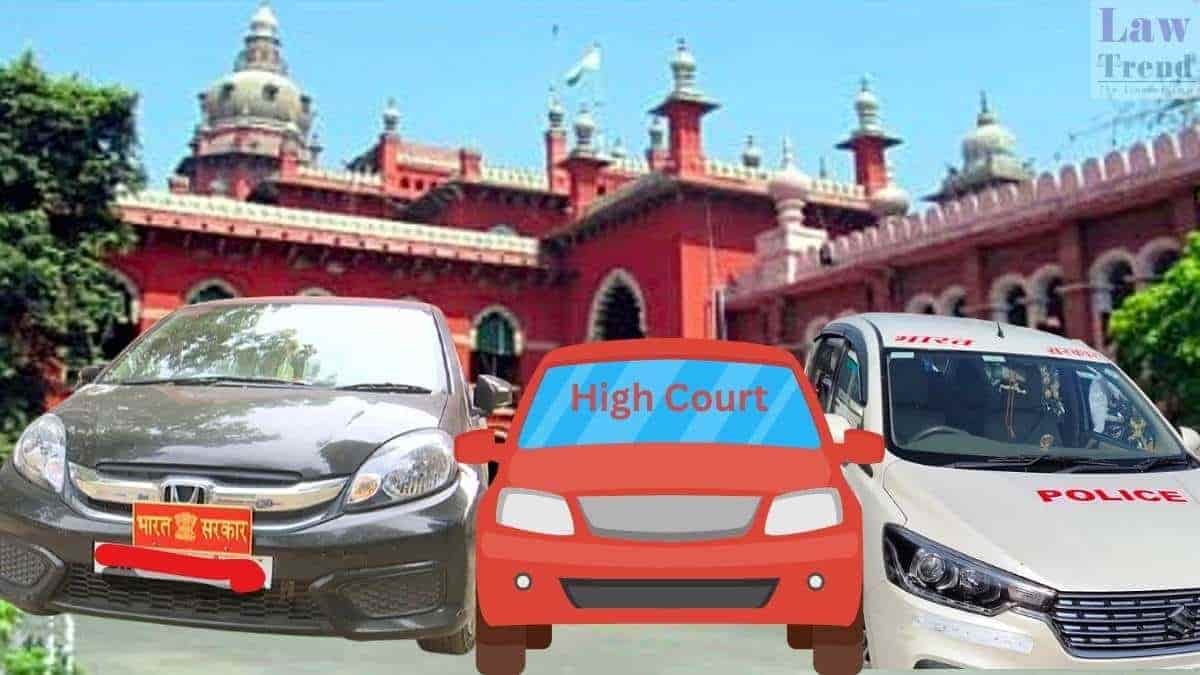
The Legal Framework: Section 177 and CMVR Rule 50
Section 177 of the Motor Vehicles Act, 1988 is the catch-all penalty provision: whoever violates any provision of the Act or any rule made thereunder, for which no separate penalty is provided, shall be fined up to Rs 100 (first offence) and Rs 300 (subsequent offences). This is a residuary clause — it covers stickers because there is no specific anti-sticker provision, but stickers that violate specific CMVR rules fall under this general penalty.
Rule 50 of the Central Motor Vehicles Rules, 1989 is the specific registration plate rule: it mandates that number plates carry only the registration number in prescribed format, using IND-embossed high-security registration plates (HSRP). The rule specifically states: ‘Stickers and adhesive labels are not permitted’ on registration plates. This is an absolute prohibition on stickers covering or on the number plate.
Section 179(1) MVA is used for caste, religion, and political stickers: it covers wilful disobedience of directions from authorities empowered under the Act, with fine up to Rs 500.
What Is Definitively Prohibited
Any sticker on or covering the number plate: Rule 50 CMVR is absolute — number plates must remain fully visible with the exact registration number, IND marking, and HSRP chromium hologram. Stickers on, around, or obstructing the plate are illegal and attract confiscation or re-registration.
Caste or religion-specific stickers: Section 179(1) MVA is specifically invoked for these. Multiple police drives in Delhi, Uttar Pradesh, and Maharashtra have issued challans (Rs 1,000) for vehicles bearing caste names, religious symbols as vehicle identifiers, or community-affiliation stickers. Courts have directed removal.
Stickers impersonating official vehicles: Using stickers reading ‘Police’, ‘Navy’, ‘Army’, ‘Air Force’, ‘Press’, ‘Advocate’ (unless officially issued by Bar Council), ‘Doctor’, ‘Chairman’, etc. on private vehicles to avoid traffic enforcement or claim privileges is illegal. A Punjab & Haryana High Court order specifically directed removal of such stickers from private vehicles. Only government-issued official vehicles may bear these designations.
Stickers obstructing driver visibility: Any sticker on the windshield, front side windows within the driver’s visibility zone, or any position that reduces visibility below the prescribed minimums (70% VLT for windshields, 50% for side windows) is illegal. This includes decorative or motivational stickers inside on glass surfaces that obstruct the driver’s view.
Stickers on headlights, taillights, or indicators: Covering any lighting equipment with stickers is a CMVR violation.
Political party logos and national symbols: On private vehicles without authorisation, these are restricted. Electoral Commission rules additionally regulate political display during election periods.
What Is Generally Permitted or Tolerated
Decorative stickers on the car body (panels, bumpers, boot): Creative personal stickers on the metal or plastic body panels — quotes, designs, animals, flags (not obstructing licence plates or lights) — are not specifically prohibited under any provision and fall in the general tolerance zone. Section 177 technically applies, but enforcement against pure body art stickers is essentially nonexistent.
Manufacturer’s decals and official window stickers: Original manufacturer stickers, dealer stickers, RTO inspection stickers, pollution check stickers, and other officially mandated stickers are of course permitted.
Commercial advertising wraps (with proper approval): If the vehicle is registered for commercial use or has obtained the appropriate branding license from the RTO or municipal authority, commercial advertising wraps are legal.
Safe placement guidelines: Rear bumper; lower corners of rear windscreen not obstructing rearview; side body panels; boot/trunk lid — these areas are considered the ‘safe zones’ for personal decorative stickers as they do not obstruct visibility, number plates, or safety features.
Enforcement Reality
The gap between the law’s strict provisions and enforcement reality is vast. Millions of cars carry body stickers daily without any police action. Enforcement specifically targets: stickers on number plates (consistently enforced, vehicles stopped at checkpoints); caste/religion stickers (periodic drives in UP, Delhi, Maharashtra — Rs 1,000 challan); official impersonation stickers (actively enforced — possession of ‘Police’ or ‘Press’ sticker without authorisation can lead to arrest). In 2023, Gautam Budh Nagar and Ghaziabad traffic police issued challans to 1,000+ vehicles for caste/religion stickers in a 10-day drive. Courts have also directed police departments to enforce these rules.
Final Thought
The legal position on car stickers in India: clear absolute prohibitions exist for stickers on number plates (Rule 50 CMVR), caste/religion stickers (Section 179 MVA), official impersonation stickers, and visibility-obstructing stickers. Creative personal decorative stickers on body panels are technically within the residuary penalty provision of Section 177 but face essentially no practical enforcement. To stay safe: keep stickers away from number plates, avoid caste/religion/political content, never use any official designation sticker you haven’t been officially issued, ensure your windshield and lights are completely clear, and restrict personal decals to bumpers and body panels.
Frequently Asked Questions (FAQs)
Q1. Can I put a ‘Baby on Board’ or funny quote sticker on my car?
Yes. Creative personal expression stickers — quotes, humour, cartoons, symbols — on the car body (bumper, boot, side panels) are not specifically prohibited and face no enforcement. The law’s targets are stickers that impersonate officials, obstruct number plates, carry caste/religion markers, or block driver visibility. A funny sticker on your rear bumper that does none of these things is tolerated in practice, though technically Section 177 of the MVA could apply under a strict reading.
Q2. Is a ‘Doctor’ or ‘Advocate’ sticker on my car legal?
Only if officially issued by the relevant authority. Medical associations (IMA, state medical councils) sometimes issue official stickers/decals for registered doctors’ vehicles. Bar Councils issue official advocate stickers for registered advocates’ vehicles. If you have the officially issued sticker from the relevant professional body, it is legal to display it. Purchasing a self-made or generic ‘Doctor’ or ‘Advocate’ sticker from the market and affixing it to your car is illegal — courts have held this amounts to impersonating a professional designation to gain traffic privileges.
Q3. Is my caste name written on my car’s number plate legal?
No. Rule 50 of CMVR mandates that number plates contain only the prescribed registration number, ‘IND’ marking, and HSRP chromium hologram. Any additional text, sticker, or marking on the number plate is explicitly prohibited. Additionally, writing caste names on vehicles anywhere (even on body panels) attracts a challan under Section 179(1) MVA following court directives and police drives.
Q4. Can I put stickers on my car’s rear windscreen?
Yes, in the lower corners without obstructing your rear view. The rear windscreen must maintain sufficient visibility for safe driving. Placing stickers in the lower bottom corners of the rear windscreen — the ‘dead zones’ that are outside the driver’s functional visibility range — is generally accepted. Covering large portions of the rear windscreen with stickers that obstruct the driver’s view through the rearview mirror is illegal.
Q5. Can political stickers on cars be prohibited during elections?
Yes. The Election Commission of India regularly issues model code of conduct guidelines during elections that restrict the display of political party symbols, candidate photographs, and election-related content on vehicles used for purposes other than authorized election campaigning. Violations during election periods can attract action under the Representation of the People Act and the Model Code of Conduct. Outside election periods, political stickers on cars exist in the same grey zone as general body stickers — not actively enforced unless they rise to the level of communal content or disrupt public order.